Army Names Five Vendors and Bases for Janus Nuclear Microreactor Program
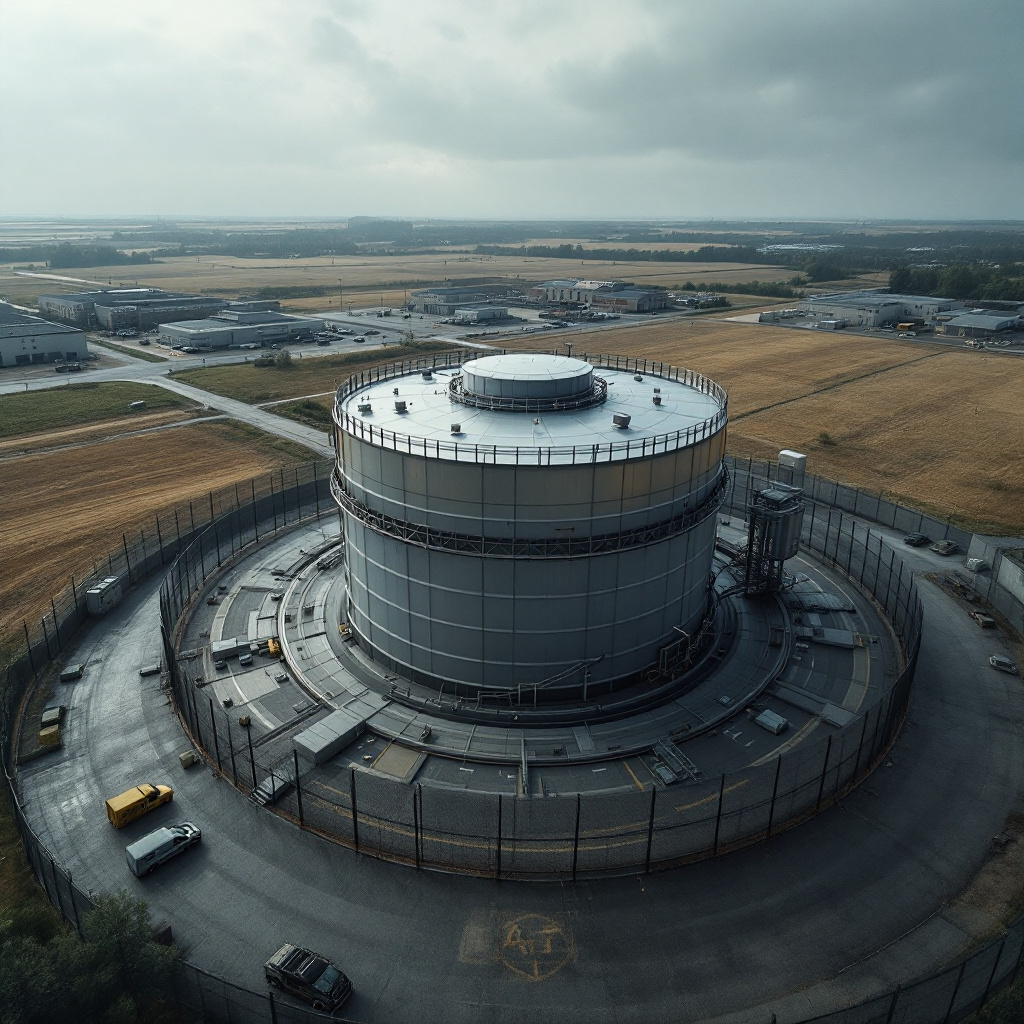
The Army on Wednesday selected five companies to build and operate nuclear microreactors at five installations under its Janus program, committing about $2.2 billion across fiscal years 2027 through 2031. The move is intended to deliver resilient baseload power to major bases in the event that external power grids fail.
The five vendors and their assigned installations are Antares Nuclear at Fort Bragg, North Carolina; BWXT Advanced Technologies at Fort Campbell, Kentucky; General Atomics Electromagnetic Systems at Fort Hood, Texas; Radiant Industries at Fort Benning, Georgia; and Westinghouse Government Services at Fort Drum, New York. The sites were chosen from nine finalists the Army announced in November 2025. Fort Wainwright, Alaska; Holston Army Ammunition Plant, Tennessee; Joint Base Lewis-McChord, Washington; and Redstone Arsenal, Alabama were short-listed but not selected.
The Janus effort has been driven by nuclear energy executive orders issued by President Donald Trump. The Army, launched the program last year, was designated as the executive agent for the Pentagon's installation and operational nuclear energy efforts and tasked with setting up a program of record. After a competitive source selection and down-select process conducted with the Defense Innovation Unit, the Army negotiated other transaction agreements with the five vendors. Payments will be milestone-based.
Each company will design, build, and operate its own reactor. The reactors range from about 1 megawatt to 20 megawatts depending on the vendor, and delivery will occur over the next five years. To meet a deadline set by Trump, the Army expects at least one reactor operating by Sept. 30, 2028. Vendors will not receive equal funding or build the same number of reactors. "We have five companies because we want to keep maximal competition," said Jeff Waksman, principal deputy assistant secretary of the Army for installations, energy and environment. "There's a very real chance that one or more of these companies will fail. And we want to ensure that at all times we have competition."
Army Secretary Dan Driscoll said the awards accelerate the ability to deliver safe, reliable baseload power. "We are building the energy resilience necessary to project combat power globally, without relying on potentially vulnerable external grids," he said. Site selection weighed seismic risk, natural disaster risk, energy costs, and resiliency challenges, followed by a matching process between vendors and sites based on utility relationships, power needs, and whether the ground was conducive to digging.
The Army says the effort will also support the revitalization of American industrial capacity and technological leadership, and expects the deals to spur billions of dollars in additional capital investment. Waksman said a goal is to boost the commercial nuclear power industry and position vendors to sell to other customers. The reactors will be contractor-owned and contractor-operated, with no Army personnel operating them, though the Army will provide technical support and oversight through its reactor regulatory office. None of the reactors will use highly enriched or weapons-grade uranium, and reactors will remain tied into the commercial grid, providing resilient power to critical infrastructure only if the grid fails.
The initiative is expected to expand to other bases, including those of other military services, with the Army anticipating more than 20 microreactors across Defense Department installations. Nuclear waste must be removed from any site within two years of a reactor shutting down. The Army is negotiating a waste arrangement with the Department of Energy but has not yet finalized a deal.