Isaacman Sets Yearly SLS Launch Minimum as NASA Eyes 2028 Moon Landing
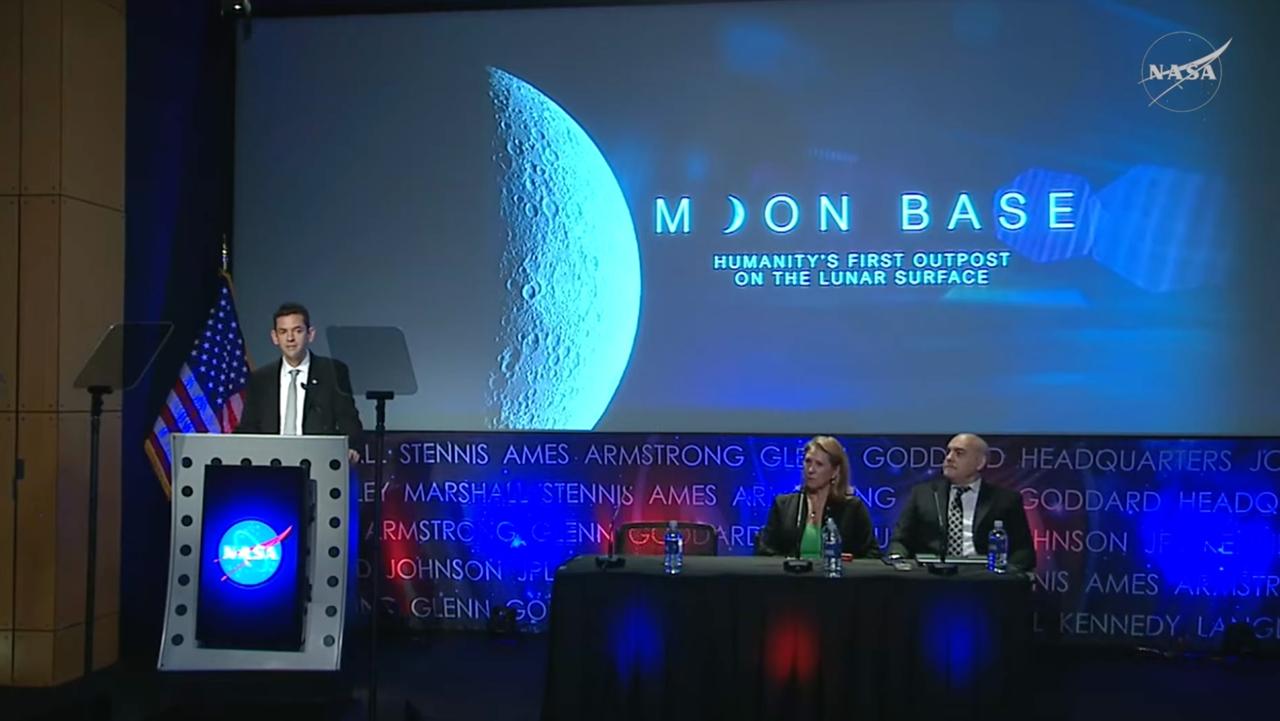
NASA Administrator Jared Isaacman says the agency must launch its Space Launch System megarocket at least once a year to sustain its deep-space human spaceflight ambitions, framing the Artemis program as the centerpiece of a new moon race against China. In an exclusive interview conducted in October and published November 7, Isaacman said he feels confident in the program following April's Artemis II mission and declared, "I think we will prevail."
Isaacman spoke to Space.com about the state of Artemis following what he described as the success of Artemis II, the crewed flight around the moon in April 2026. He noted that just prior to the conversation, Artemis II commander Reid Wiseman was announced as the new deputy director of NASA's Jet Propulsion Laboratory. Isaacman stressed that the path from that mission to crewed lunar landings and, eventually, a permanent moon base will require many SLS launches.
"What I care about is that we are launching big rockets no less than once a year," Isaacman said, adding that he considers it imperative for NASA to be conducting deep-space human spaceflight missions now. He said NASA flew a great mission in April 2026 and will launch again in 2027. That flight, Artemis III, will be a crewed mission to low Earth orbit testing docking procedures between NASA's Orion capsule and one or both of the program's private lunar landers, SpaceX's Starship and Blue Origin's Blue Moon. Isaacman said once a year is the minimum cadence and that he would testify to that effect before Congress, noting he does not expect a return to early space shuttle rates of four missions a year or to Apollo levels.
On the competition with China, Isaacman called it "a real space race" but said it differs from the first one. He said that during the Cold War the United States held a wide edge across computing and other technology domains, while China today is "very close." Isaacman noted that the U.S. is targeting a lunar landing at the end of 2028 and China is targeting the end of 2029. Asked whether China will succeed, he said, "Yes, they will," citing demonstrations of the country's landers, rovers, suits, and two-launch architecture with built-in reusability. The crewed U.S. lunar landing is targeted for Artemis IV in 2028.
Isaacman said NASA's approach is not identical to Apollo, contrasting Artemis II with Apollo 8 and Artemis III with Apollo 9, but argued that the spirit, energy, and talent within the agency and industry are no different than in the 1960s. He said the consequences of getting the effort wrong would be felt around the world and would call everything into question, pointing to decisions over whose artificial intelligence, computers, cars, airplanes, ships, and security guarantees nations would trust. He said NASA is taking the Chinese threat very seriously and placing extreme focus on the mission, adding, "we have that playbook of success, and I think we will prevail."
The next milestone named by Isaacman is the Artemis III launch in 2027, which will exercise docking procedures between Orion and the commercial landers ahead of the crewed lunar landing targeted for Artemis IV in 2028. Isaacman said that mission will better prepare NASA for what follows.