NASA Chief Floats Space-Based Data Centers Amid U.S. Siting Fights
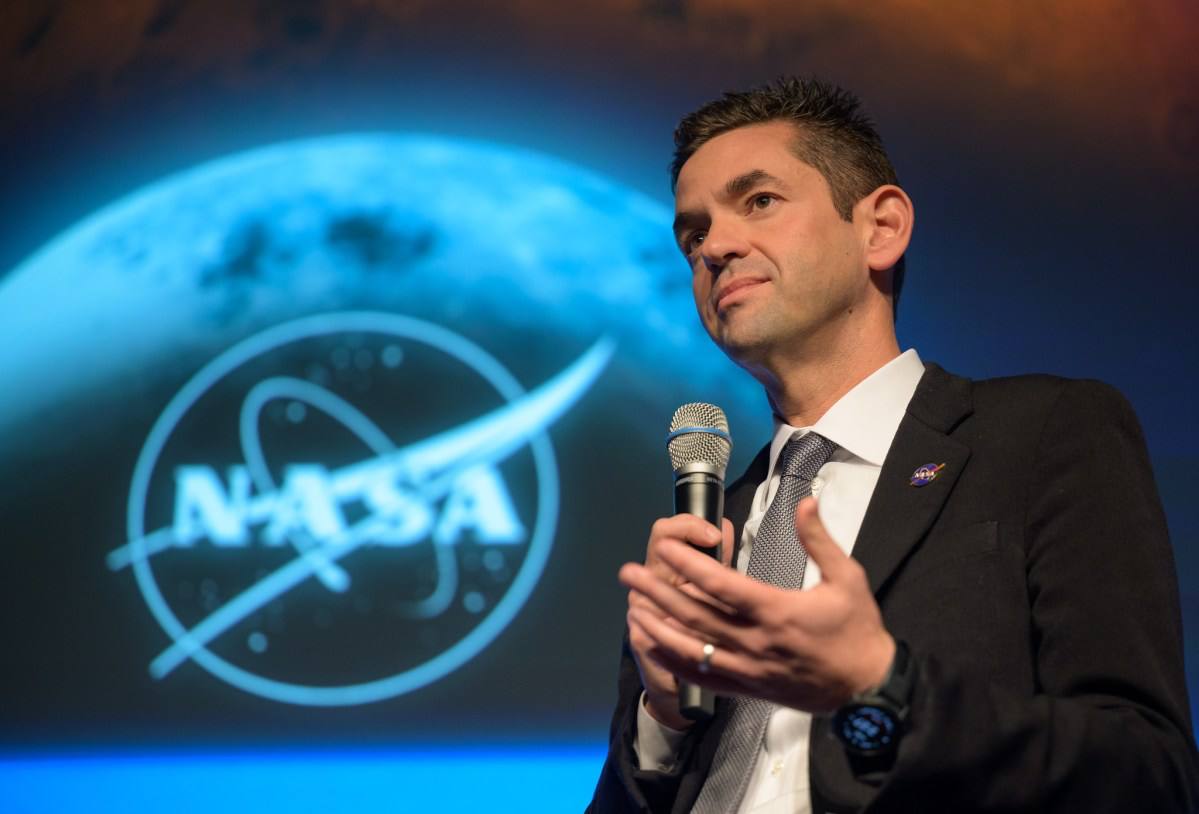
NASA Administrator Jared Isaacman suggested on Wednesday that data centers could be housed in space, raising the concept publicly as the facilities draw growing scrutiny over their land and energy footprint in the United States. No specific program, budget, or timeline accompanied the remark.
Isaacman made the comment against the backdrop of intensifying controversy over where data centers are built in the U.S. and how much power and land they consume. The idea surfaced directly in the context of those domestic siting debates rather than as part of any announced NASA initiative.
The suggestion came from the NASA Administrator himself, made in a public setting on August 26. Isaacman did not attach a mission, funding line, or schedule to the concept. The statement stood alone as a proposal floated during discussion of the pressures data centers place on American land and electricity supply.
While the notion of space-based data centers has circulated in commercial circles, the head of NASA raising it publicly carries a different weight. The remark signals that the current administration is looking for ways to frame space infrastructure as a potential domestic policy solution rather than purely a science endeavor. Whether the idea advances into policy remains an open question.
Isaacman's comment reframes space infrastructure as a possible answer to a domestic problem, positioning orbital facilities as more than a vehicle for scientific research. That framing, according to the significance of his public airing of the idea, marks a shift in how the administration may present the value of space capabilities.
Any NASA-backed space data center effort would depend on cheap, frequent launch access, the kind of capability that Starship is intended to provide. Whether the concept gains traction may hinge on how that launch capability matures. For now, there is no program to track, only a suggestion from the NASA Administrator that has entered the public conversation.