NASA Streamlines Axiom Lunar Suit to Protect 2028 Artemis Landing
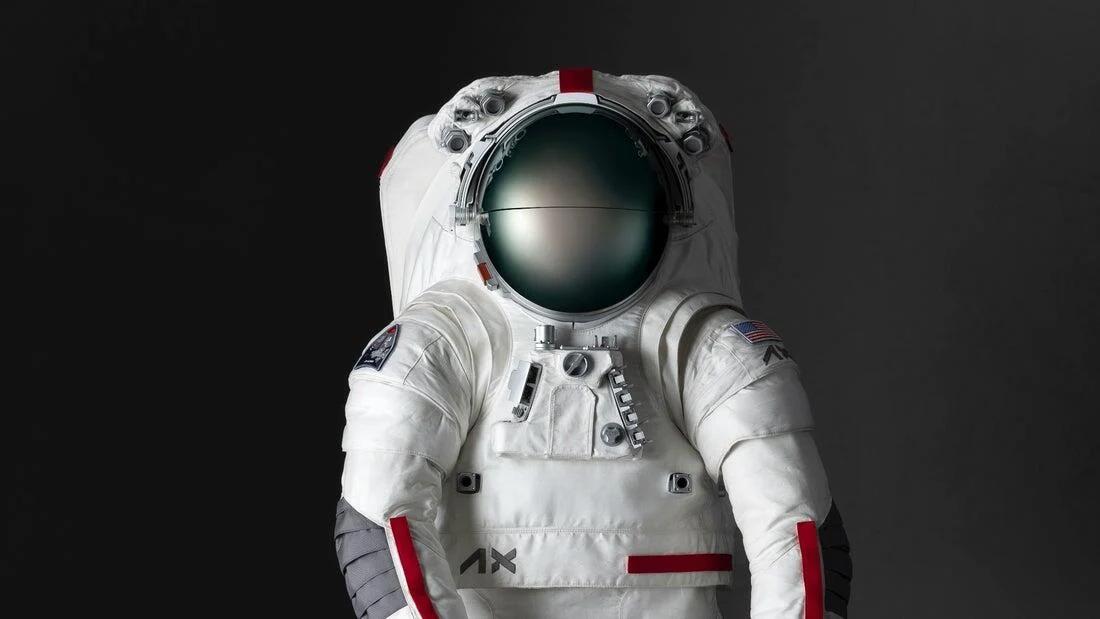
NASA is developing a simplified version of Axiom Space's lunar spacesuit as it works to return astronauts to the Moon's surface in 2028. The streamlined configuration, reportedly called the sortie suit internally, would reduce mass, complexity and longer-duration requirements built into the original Axiom Extravehicular Mobility Unit design.
The move comes amid schedule pressure on a piece of Artemis hardware that is as mission-critical as the spacecraft carrying astronauts to the Moon. NASA has not publicly announced the sortie suit or detailed exactly which AxEMU requirements are being changed. NASA's Office of Inspector General highlighted the schedule problem in April, and as of January, Axiom was working toward demonstrating its suits in late 2027, with significant testing and qualification remaining. The OIG concluded there was little to no schedule margin remaining for the spacesuit to support the planned 2028 landing.
Some of NASA's original requirements for AxEMU went well beyond a short initial lunar excursion. The suit was required to support as many as six extravehicular activities during a 6.5-day surface mission and remain capable of supporting additional EVAs after as much as 210 days in dormant storage. Requirements also anticipated astronauts spending time inside permanently shadowed regions near the lunar south pole, where temperatures fall dramatically below those in sunlight. The reported sortie suit would concentrate on what astronauts actually need for early missions, allowing more demanding capabilities to be incorporated as surface operations become longer and more complex.
The AxEMU is not an early prototype. NASA reported late last year that the program had surpassed 700 hours of crewed pressurized testing and had completed its first dual-suit run in the Neutral Buoyancy Laboratory. NASA originally selected both Axiom Space and Collins Aerospace to provide next-generation spacesuit services under its xEVAS contract. Collins' task orders were later removed by mutual agreement, leaving Axiom as NASA's only active provider for its immediate lunar and microgravity spacesuit requirements.
The suit must integrate with two different lunar landers. SpaceX is developing a lunar version of Starship under NASA's Human Landing System program, while Blue Origin is developing its Blue Moon Mark 2 lander. AxEMU has to function on the lunar surface and as part of the larger spacecraft system, including the physical and operational interfaces astronauts use while transitioning between a lander and the surface. Simplifying those interfaces is one of the goals of the sortie suit effort.
There is no indication NASA intends to reduce fundamental crew-safety requirements. The distinction is between requirements necessary to keep an astronaut alive and functional on the lunar surface and operational requirements created for missions the first suit may not actually be asked to perform. If the sortie suit approach succeeds, NASA would not be abandoning the more capable suit it ultimately wants. Instead, Axiom would deliver the capabilities needed for the first missions and continue evolving the suit as Artemis moves toward longer surface stays and more difficult environments.
Under the revised Artemis architecture, Artemis 3 is now planned as a crewed demonstration mission in low Earth orbit in 2027 rather than a lunar landing. NASA says the mission will test rendezvous and docking operations between Orion and commercial lunar lander hardware, and the agency is evaluating options to test interfaces between AxEMU and the landers during the mission. Artemis 4 is then targeted to conduct the first Artemis lunar landing in early 2028.