Polish Startup Ares Shield Lands $6 Million Deal to Defend Orbital Data Centers with Microwave Weapons
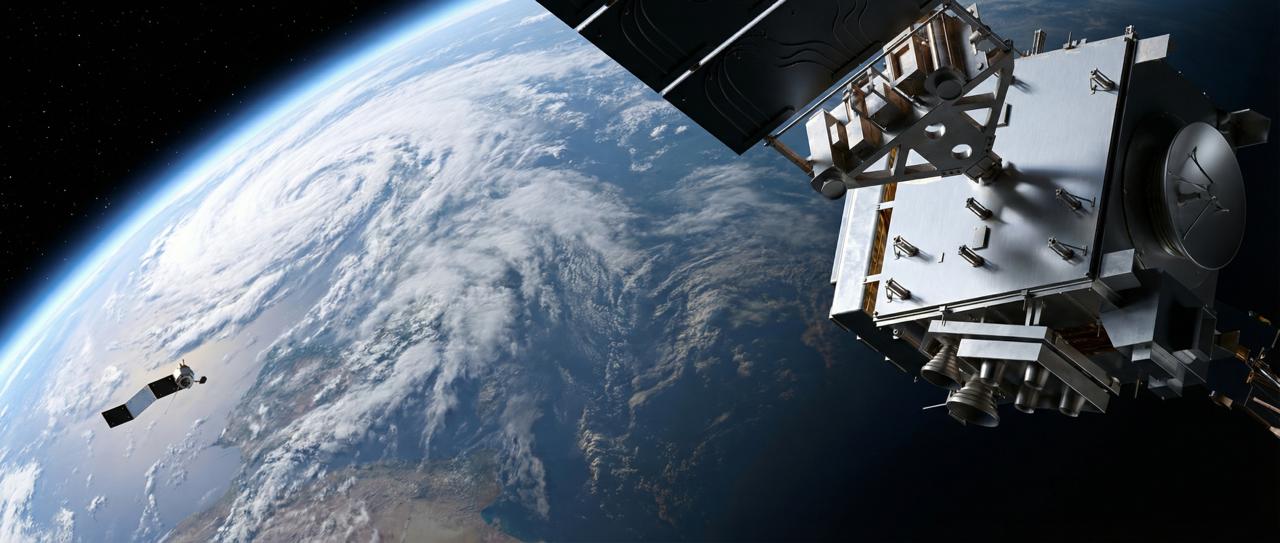
Florida-based Lonestar Data Holdings has contracted Polish startup Ares Shield to protect its space-based data centers using high-power microwave technology, in an agreement worth up to $6 million announced August 25. The deal calls for three satellites to be protected initially, with additional modules to follow as Lonestar builds out its constellation.
The contract arrives as Lonestar prepares to field its first commercial space-based offering, a platform called StarVault that stores customer data away from natural disasters and other terrestrial risks. Lonestar has already tested its data-storage technology on four space missions, including two that traveled to the moon. One of the company's devices reached the lunar surface aboard Intuitive Machines' Athena lander in March 2025. Athena toppled over shortly after touchdown, but Lonestar says its mini data center achieved its desired milestones regardless.
Ares Shield's system combines sensors, AI-driven analytics and a high-power microwave emitter integrated into a module that attaches to the client satellite. The system detects and classifies potential threats, such as approaching inspector satellites that may seek to steal a client's data, and can neutralize them with electronics-frying emissions without generating space debris. CEO Grzegorz Zwolinski said destruction would likely not be the first option. "The defense system can show the opponent that we can create malfunctions in their hardware, jam them, or do like small-energy attacks," Zwolinski said. "Then they will realize that it's not worth losing their system on this particular infrastructure, which we are protecting."
Lonestar CEO Stephen Eisele said the security of orbital infrastructure is central to the company's business. "Our clients entrust us with mission-critical data, which is why we treat the security of our orbital infrastructure as the foundation of our entire service," Eisele said. "Ares Shield technology offers a unique solution that allows us to further protect our satellites without the risk of generating space debris. For a company whose product is data security, it is a compelling option."
The first StarVault payload is scheduled to fly aboard Sidus Space's LizzieSat-4, manifested on SpaceX's Transporter 18 rideshare mission, which is expected to launch from Vandenberg Space Force Base in late October. Ares Shield plans to deliver its first defense systems for Lonestar in 2028 or 2029.
Zwolinski said the threat environment has changed sharply in recent years. When he co-founded the Polish aerospace company SatRev in 2016, "there were mostly peaceful actions," he said, but hostile actions on orbit increased following Russia's invasion of Ukraine, which began in February 2022. He said inspector robots and rendezvous and proximity operations attacks have become more frequent, citing Russian and Chinese activity, and predicted that "in the future, most satellites will need our protection."
Zwolinski said Ares Shield is discussing further deliveries with other operators and is seeing growing interest. The company also plans to protect infrastructure on Earth, building high-power microwave systems designed to take out drones at a distance of 330 feet. "The plan is that, in the next five months, we want to increase the distance where we are shooting the drones, and the most wanted is 2 kilometers," he said. Additional StarVault missions will follow as Lonestar builds a data-storage network in low Earth orbit and potentially beyond.