Rocket Lab Pushes Neutron’s First Launch to 2027 After Tank Manufacturing Setback
Rocket Lab shares (NASDAQ: RKLB) are down -8.7% after hours following the news.
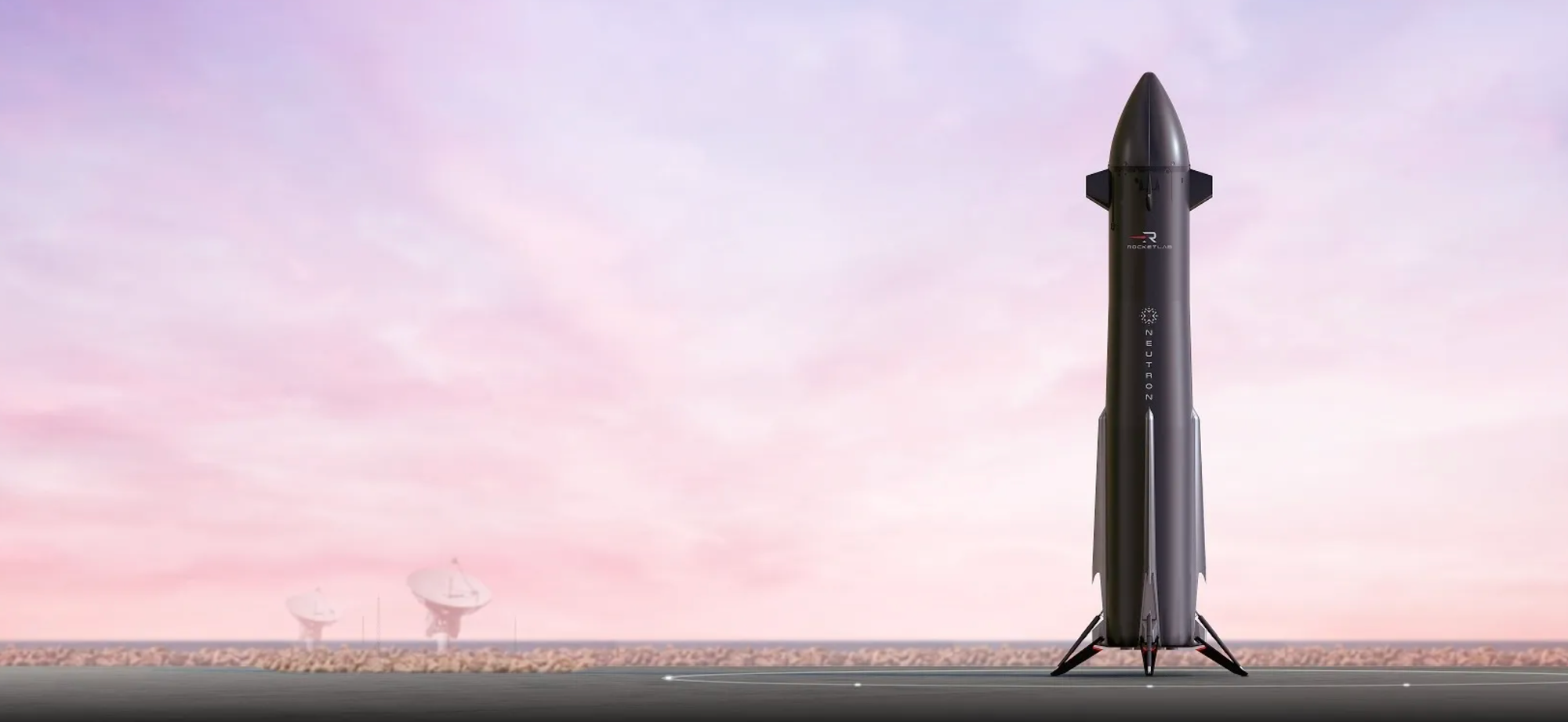
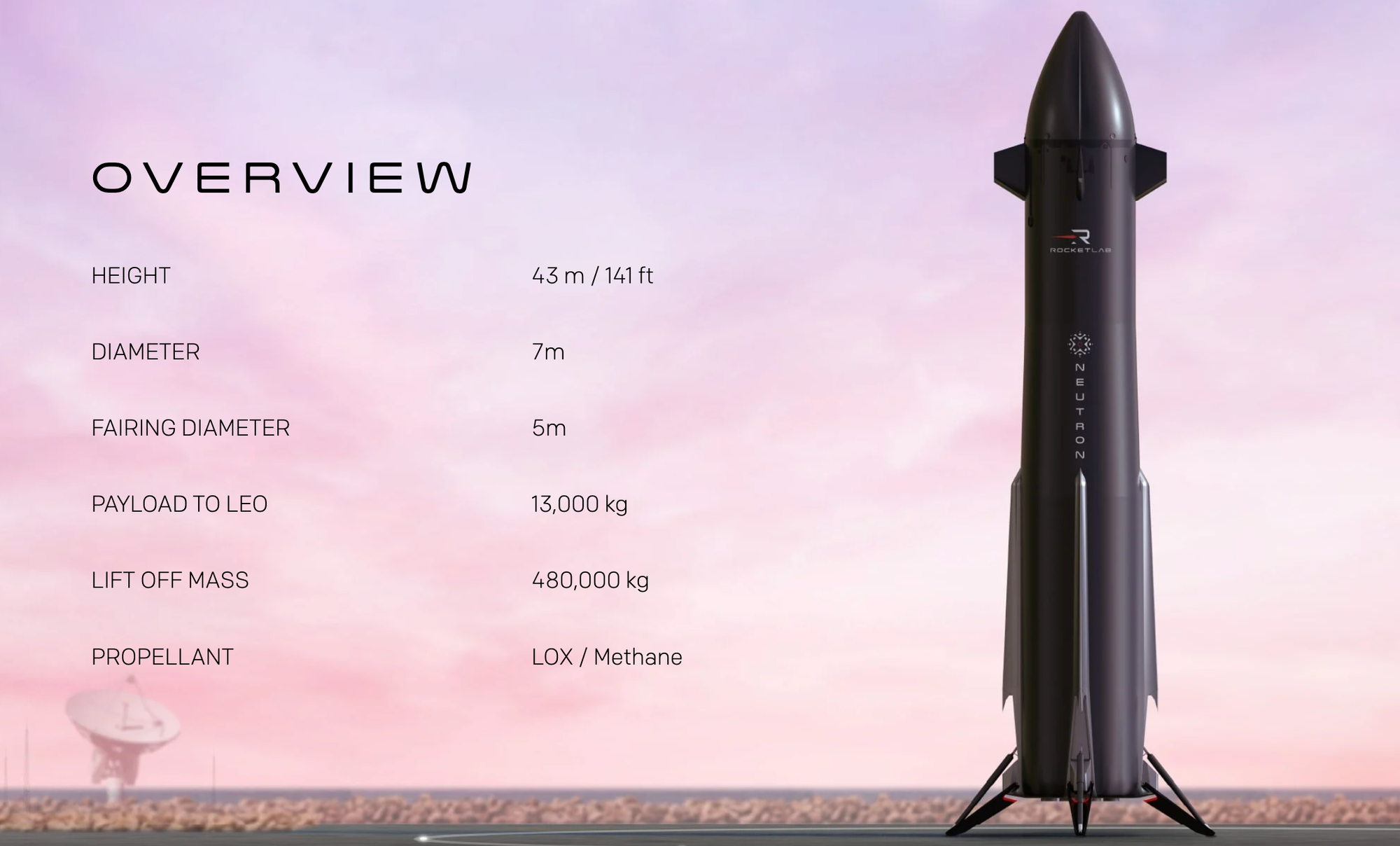
Rocket Lab has delayed Neutron’s debut launch until 2027 after discovering defects in a carbon composite propellant tank dome, CEO Sir Peter Beck said in an October 14th development update. The Rocket Lab Neutron is a partially reusable, medium-lift, two-stage launch vehicle.
The company says it has identified and corrected the manufacturing issue, but the investigation and production of a replacement component have pushed the first flight into next year. Rocket Lab has not announced a specific launch date, opting to complete key manufacturing and testing milestones before providing a more precise target.
“I’d rather show you real-time progress than give you a date that I might have to walk back,” Beck said.
What caused the delay?
The setback follows an earlier qualification failure involving Neutron’s first-stage tank, which Beck attributed to a third-party manual carbon fiber layup process.
After that failure, Rocket Lab shifted to its intended long-term production method: an automated fiber placement machine that lays carbon fiber with greater speed and precision.
The transition also allowed the team to improve the tank’s design, eliminating certain joints and increasing the thickness of sections of the forward and aft propellant tank domes to strengthen them.
However, an inspection of a newly manufactured forward dome revealed small voids, or air pockets, between layers of carbon fiber. Those voids appeared in thicker sections introduced through the design changes.
Such defects can reduce a component’s strength, durability, and reliability. Beck said their presence did not necessarily mean the dome would fail in flight, but the company would only move forward when it was satisfied with the available margins.
“Possible success isn’t our standard,” he said.
Solving a manufacturing challenge at scale
The issue emerged during curing, the process that hardens the epoxy binding the carbon fibers together.
Carbon composite parts are often cured in an autoclave, where heat and pressure help consolidate the material and improve bonding. But Neutron’s scale requires Rocket Lab to develop processes that work outside those pressure vessels.
Beck described Neutron as the world’s largest carbon composite rocket and its tank structure as the largest pressurized carbon composite structure ever built. Producing components of that size has required custom curing cycles, including for the first stage’s large propellant tank domes.
Rocket Lab’s investigation found that the curing process needed adjustments to accommodate the thicker composite sections. The team reproduced the void formation in testing and introduced changes intended to prevent it.
An aft dome subsequently manufactured using the revised process produced what Beck called the company’s highest-quality carbon composite dome to date.
“We’ve solved the problem,” Beck said.
The company is now building a replacement forward dome, which must still undergo curing and inspection before being integrated into the first stage.
The milestones before a new launch target
Rocket Lab outlined three steps that will determine when it can provide a more precise first-flight schedule.
First, the company must finish building the replacement forward dome using its automated fiber placement machine. That work is already underway.
Second, it must cure the dome and inspect it using ultrasonic testing and other methods to confirm that there are no voids or further issues.
Third, Rocket Lab must assemble the first stage and conduct hydrostatic and cryogenic test campaigns.
Assuming those activities go to plan, Beck said the company expects dome production and inspection to be completed before the first quarter of 2027, with first-stage assembly and the test campaigns finished during that quarter.
Rocket Lab expects to be in a better position to announce a launch target after those milestones. The schedule does not establish a first-quarter launch date.
Beck also promised regular progress updates through the company’s website and social media channels.
Building beyond the first flight
Rocket Lab plans to use the additional development time to bring forward vehicle upgrades that had originally been intended for later missions.
Its second and third Neutron rockets are already under construction, while the company is building the factories and infrastructure intended to support sustained production and a higher launch cadence.
Beck framed that approach as a deliberate investment in the program’s long-term performance. Perfecting carbon composite manufacturing takes time upfront, he said, but could ultimately produce a lighter rocket that is faster to build, with structural weight savings translating into greater payload performance.
He pointed to Electron’s carbon composite structure and Rutherford’s 3D-printed engine as earlier examples of manufacturing investments that required solving difficult problems before delivering operational benefits.
The update also included a signal of additional commercial activity. Beck said Rocket Lab expects to announce new Neutron contracts soon, describing customers interested in multiple missions and long-term partnerships. He did not disclose customer names, contract values, or launch schedules.
“Those customers understand that a reliable rocket is far more valuable than an early one, and we’re grateful for their trust,” he said.