Senate Appropriators Revive Commerce Space Traffic Program With $50 Million
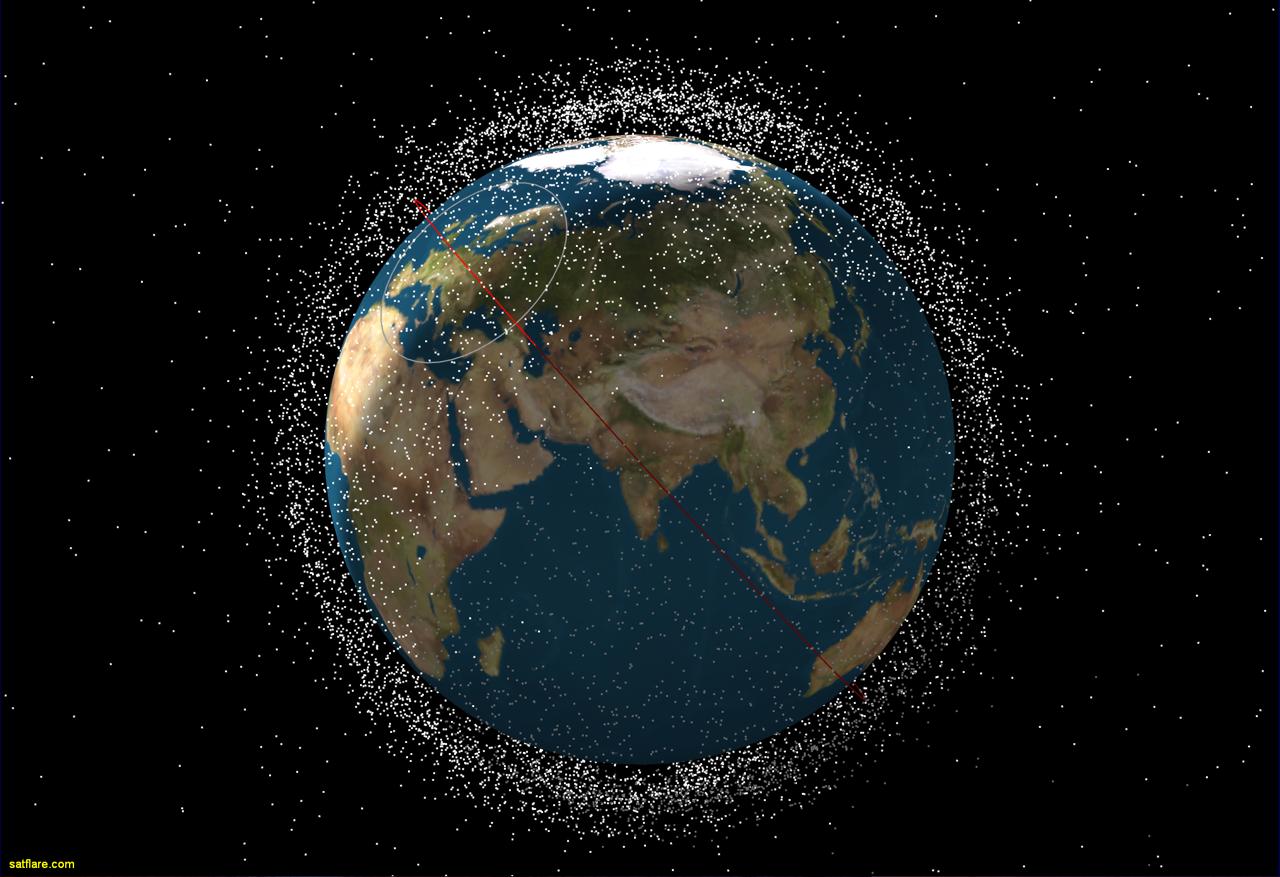
Senate appropriators have moved to rescue the Commerce Department's space safety program for monitoring non-military satellites, directing $50 million to the Office of Space Commerce. The action keeps alive the Traffic Coordination System for Space, known as TraCSS, which the Trump administration had sought to shelve.
The Commerce effort was launched nearly a decade ago due to Defense Department concerns about the increasing drain on its space monitoring resources as commercial space traffic continues to climb. The fate of the TraCSS effort has been the subject of intense debate over the past couple of years, with commercial space monitoring firms growing increasingly frustrated with the slowness of the program's development.
The Trump administration had requested only $11 million for the Office of Space Commerce, with just $1 million slated to essentially shelve past work on TraCSS. The Commerce, Justice and Science spending bill released Thursday by Senate Appropriations Committee Chair Susan Collins, R-Maine, echoes language issued by House appropriators in May about the importance of the program. The House bill also designated $50 million in FY27 funds for the Office of Space Commerce. The appropriations action was reported November 13.
The continuation of TraCSS development, at least for the moment, would lift concerns at the Defense Department, the Space Force and US Space Command that for the foreseeable future the military would be saddled with the job of warning nonmilitary space operators about pending on-orbit collisions.
Reviving the Commerce effort keeps alive the plan to free up military sensors for threats rather than conjunction warnings, continuing the Pentagon's goal of handing off routine tracking of the thousands of commercial satellites now in orbit.
The next step is for Senate and House appropriators to come together in conference committee to reconcile their differences and finalize an agreed upon bill. Whether that happens before the end of the legislative session remains uncertain.