Brownsville Approves 444-Acre Disannexation, $220 Million SpaceX Water Deal
The Brownsville City Commission voted to disannex 444.45 acres from city limits and sign a memorandum of understanding with SpaceX committing $220 million to expand regional water infrastructure. The decisions came after a six-hour special meeting held Saturday afternoon, with both agenda items approved simultaneously at SpaceX's insistence.
The opportunity came to the city about a week and a half before the vote, according to Mayor John Cowen, who described the arrangement as a take-it-or-leave-it deal. A representative for SpaceX, Sheila McCorkle, said the company would not accept the MOU without approval of the disannexation. Cowen also stated the disannexation could still proceed through the court system even if commissioners declined to approve it.
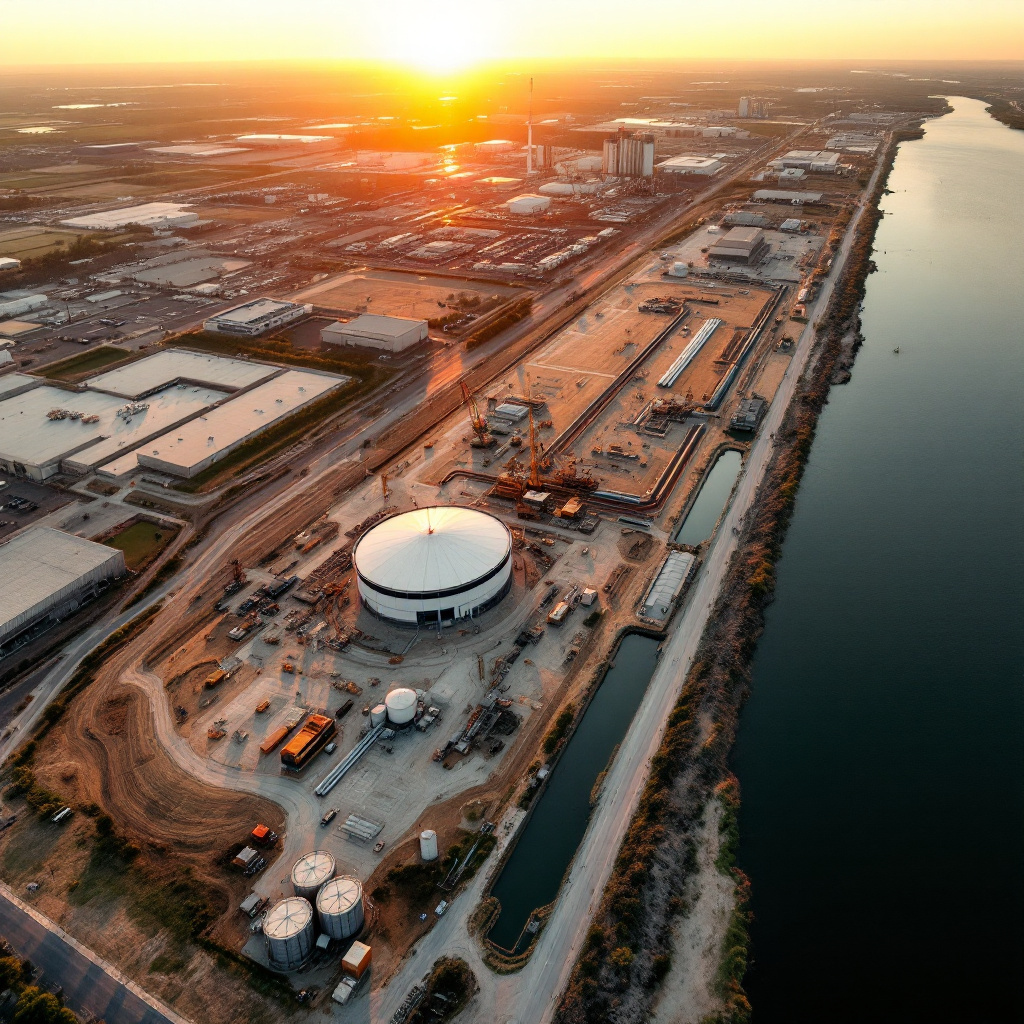
The land SpaceX sought to disannex is not owned by the city but by 48 different families or trust members. Zoned as either heavy industrial or agricultural, the property carries a total value of $3,968 and sits between the Port of Brownsville and other industrial areas. McCorkle said the company wants to expand there to take advantage of the shipping channel and port operations, and that the area currently receives no city utilities or services. In partnership with the city of Starbase, she said, services could be brought online more quickly and economically.
The MOU, presented as Project Quantum, would invest in the city's regional water sources and double its capacity to produce water for the region. Two projects fall under the plan. The Potable Reuse Wastewater Reclamation Project would add eight million gallons of water per day at an estimated cost of $40 million, with $12.7 million secured in grants from the Texas Water Development Board and completion targeted for 2030. The SRWA plant expansion, estimated at $202 million, would raise capacity from 10 million to 20 million gallons per day through reconstructing 20 wells, building two new wells, and upgrading the microfiltration system.
Under the agreement, SpaceX would deposit $40 million into escrow within 30 days of signing for the reclamation project, with the remaining $180 million paid in six quarterly installments once the SRWA expansion moves forward. The funds would be held in a reserve fund and could not be used for other projects.
Public comment allowed 30 speakers for and against the measure. Becca Hinojosa of the South Texas Environmental Justice Network said the item was rushed for SpaceX's benefit and at the expense of low-income residents, and that insufficient information was provided to the public. Others noted the economic benefit SpaceX has brought to Brownsville.
Commissioners framed the decision around water security. "It is our top priority to make sure that we have enough water for the citizens of Brownsville," Commissioner Gustavo De Leon said, adding that the city needs to find money wherever it can so families are not left worrying about bathing, washing dishes, or washing clothes. Cowen acknowledged the process was rushed, saying he wished the city had another month or two, but argued the impact on Brownsville's future made it incumbent on the commission to act. McCorkle said the partnership with the Brownsville Public Utilities Board would greatly expand water resources for decades.
Commissioners entered executive session twice before approving both the disannexation and the MOU. The reclamation project is targeted for completion in 2030, while the SRWA expansion remains pending design and engineering, which the agreement is intended to expedite.