SpaceX Petitions FCC to Block Viasat-3 F2 Satellite Over Starlink Interference
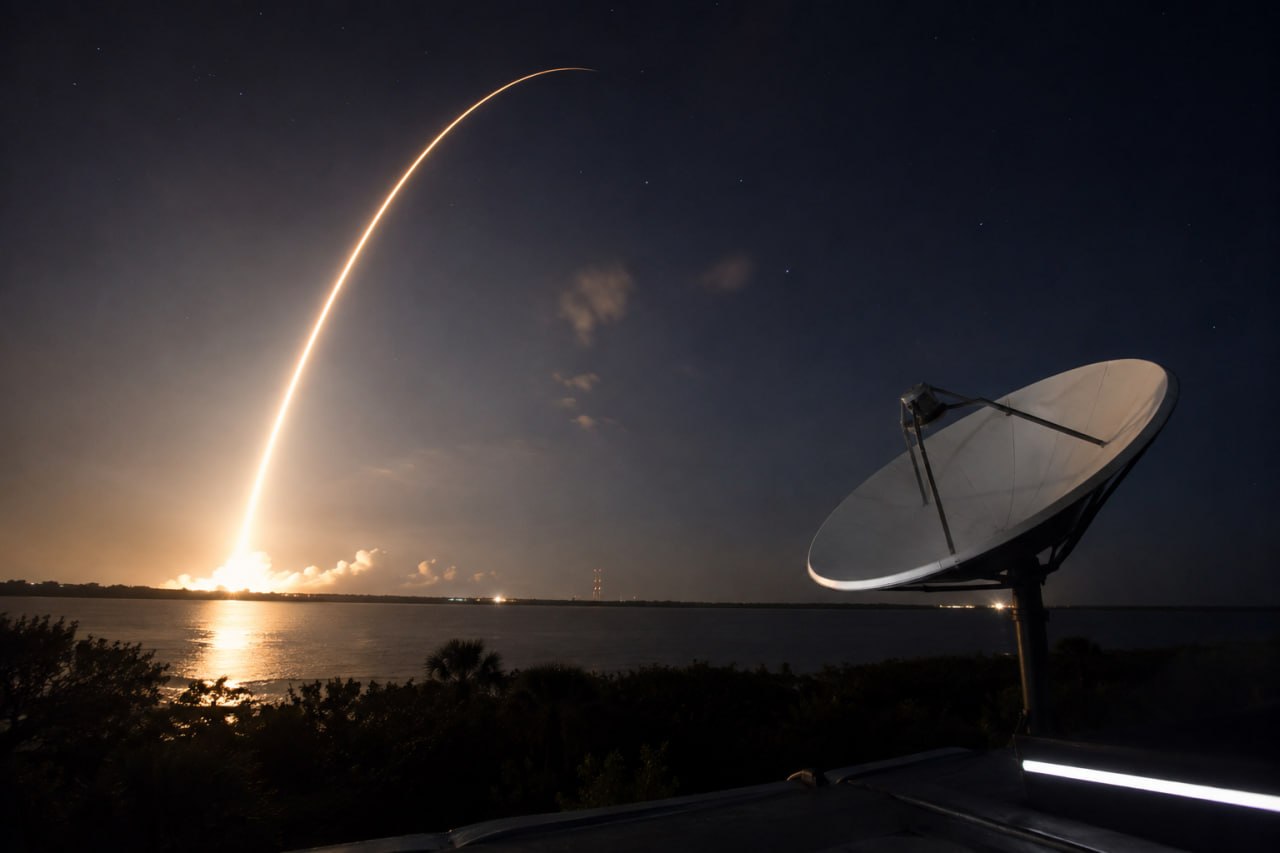
SpaceX has asked the Federal Communications Commission to reverse its approval of Viasat's new Viasat-3 F2 satellite, warning it will cause severe interference to Starlink. The Friday petition targets a satellite scheduled to enter service next month, arguing Viasat has failed for years to reach a required coordination agreement.
The FCC cleared the F2 satellite for US market access in late July, but on the condition that Viasat reach a coordination agreement with other low-Earth orbit satellite providers, including SpaceX, to prevent harmful radio interference. SpaceX contends Viasat has not met that obligation despite having more than half a decade to do so under its license conditions.
At issue is a slice of radio spectrum in the 18.8 to 19.3 GHz and 28.6 to 29.1 GHz bands, which Starlink has long been cleared to use for space-to-Earth and Earth-to-space transmissions. Viasat plans to use the same spectrum for downloading and uploading data on the F2, a geostationary satellite orbiting more than 22,000 miles away.
In the 25-page petition, SpaceX VP of satellite policy David Goldman wrote that "Viasat continues to operate in the NGSO Ka-bands without making any meaningful attempt to coordinate." He said Viasat's license conditions prohibit it from operating legacy technology in bands designated as primary for next-generation satellite systems unless it secures a coordination agreement from each next-generation operator or provides a technical demonstration to the Commission. Goldman claimed Viasat's own analysis shows the F2 threatens to cause interference "approximately one-third of the time" for Starlink when using the 18.8 to 19.3 GHz bands for downlinking.
"Viasat's utter disregard for Commission rules, its license conditions, and the harm it is causing to millions of American consumers has gone on for far too long," the company stated. Goldman added that "despite SpaceX's good faith efforts, Viasat has failed, and even refused, to coordinate with SpaceX for years." The California-based Viasat did not immediately respond to a request for comment. The F2 promises to deliver speeds up to 100+ Mbps for customers in the Americas, at a time when the company has been losing customers to Starlink.
SpaceX is not alone in raising the issue. Amazon, which is preparing to launch its own Leo satellite internet service, has repeatedly flagged the coordination issues to the FCC. In a November filing, Amazon wrote that "the technical analysis proffered by Viasat in connection with its still-pending application falls far short of demonstrating that it will protect the Amazon Leo system or the other NGSO FSS operations in the NGSO Primary Bands." Leo's first-generation satellite constellation was cleared in 2020 to use the same frequency bands. Together, the complaints from SpaceX and Amazon could derail the F2 satellite.
The FCC's grant for F2's US market access specifies that "Viasat must refrain from commencing, or otherwise cease, operations in the United States in the 18.8-19.3 GHz and 28.6-29.1 GHz frequency bands pursuant to this grant of market access until compliance is notified." The Commission will now weigh SpaceX's petition against Viasat's plan to bring the F2 into service next month.