White House Sets Target of 1,000 Annual Launches by 2030 in New Space Transportation Policy
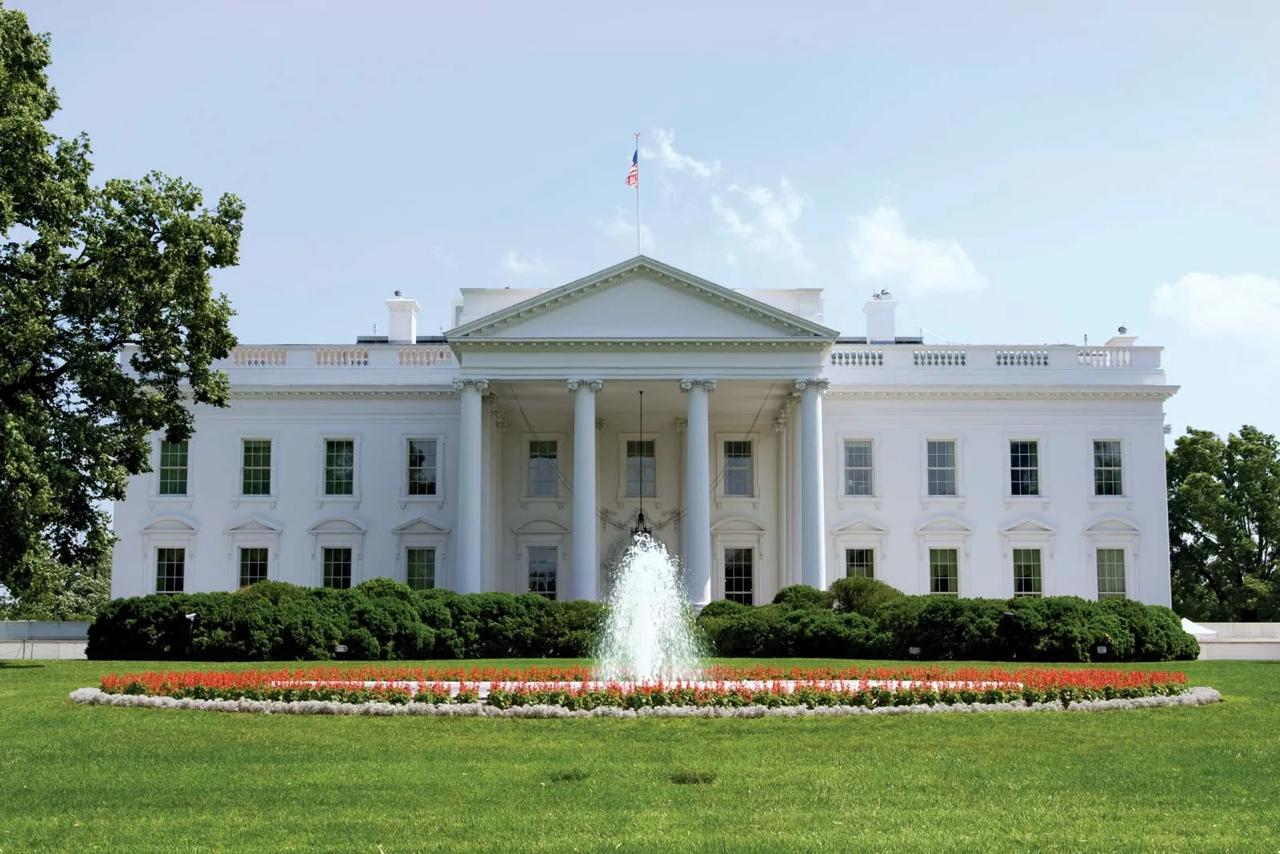
President signed a National Security Presidential Memorandum on August 20, 2026, establishing a National Space Transportation Policy that calls for federal launch and reentry ranges to support more than 1,000 launches and reentries every year by 2030. The directive frames access to, from, and within space as a vital national and economic security interest and sets a series of near-term deadlines for federal agencies to expand infrastructure, secure spectrum, and strengthen the space transportation industrial base.
The memorandum states that American space transportation capabilities underpin the global economy and that commercial space innovation flourishes with affordable, reliable, and safe space transportation. It directs the United States to establish and maintain capabilities that ensure access to the full range of orbital regimes relevant to national interests, from suborbital and very-low Earth orbit altitudes to the lunar surface, Lagrange points, and deep space. The policy references Executive Order 14335 of August 13, 2025, on enabling competition in the commercial space industry.
The memorandum assigns the Secretary of War and the Administrator of NASA to operate federal launch and reentry ranges transparently for both government and non-government users, and to coordinate on infrastructure investments that optimize capacity, flexibility, resilience, and economies of scale. Within 180 days, the Secretary of War must develop and publish federal range scheduling criteria to maximize efficient use of range resources for commercial users while meeting government needs. Also within 180 days, the Secretary of Transportation must identify potential locations for additional launch facilities, implement a plan to integrate space launch and reentry management into airspace and traffic control modernization, and designate priority airspace for critical space launch corridors.
The directive addresses reentry sites and spectrum. Within 90 days, the Secretary of the Interior must identify federal lands to serve as an additional designated federal land reentry site. Within 240 days, the Secretary of Commerce must produce a development plan for that site considering commercial access, infrastructure, and co-development needs. The Secretary of Commerce and the Chairman of the Federal Communications Commission are directed to ensure reliable access to spectrum for commercial and federal launch, reentry, recovery, and on-orbit activities, and to report on their approach within 180 days and every two years thereafter. The memorandum also directs the Secretary of War to evaluate barriers to prompt, responsive access to space, including the ability to accommodate accelerated timelines within 48 hours of need and expeditionary locations for high-priority civil and national security launches.
The policy states that these measures will secure America's continued superiority in space. It directs the Assistant to the President for Science and Technology to coordinate a space transportation industrial base strategy within 180 days that promotes a competitive and resilient industry, increases capability, affordability, security, and resilience for government and non-government users, and strengthens workforce development and retention programs, military service transition pathways, government-industry exchanges, and other talent pipelines.
The memorandum sets several reporting milestones. Within 90 days, the Interior Department must identify federal reentry land. Within 180 days, agencies must deliver range scheduling criteria, launch facility location findings, spectrum reporting, infrastructure security reports to the President, and the industrial base strategy. Within 240 days, the Commerce Department must deliver the reentry site development plan. The spectrum reporting requirement recurs every two years.