Cambridge Study Projects 93 Percent Drop in Orbital Cargo Costs by 2040
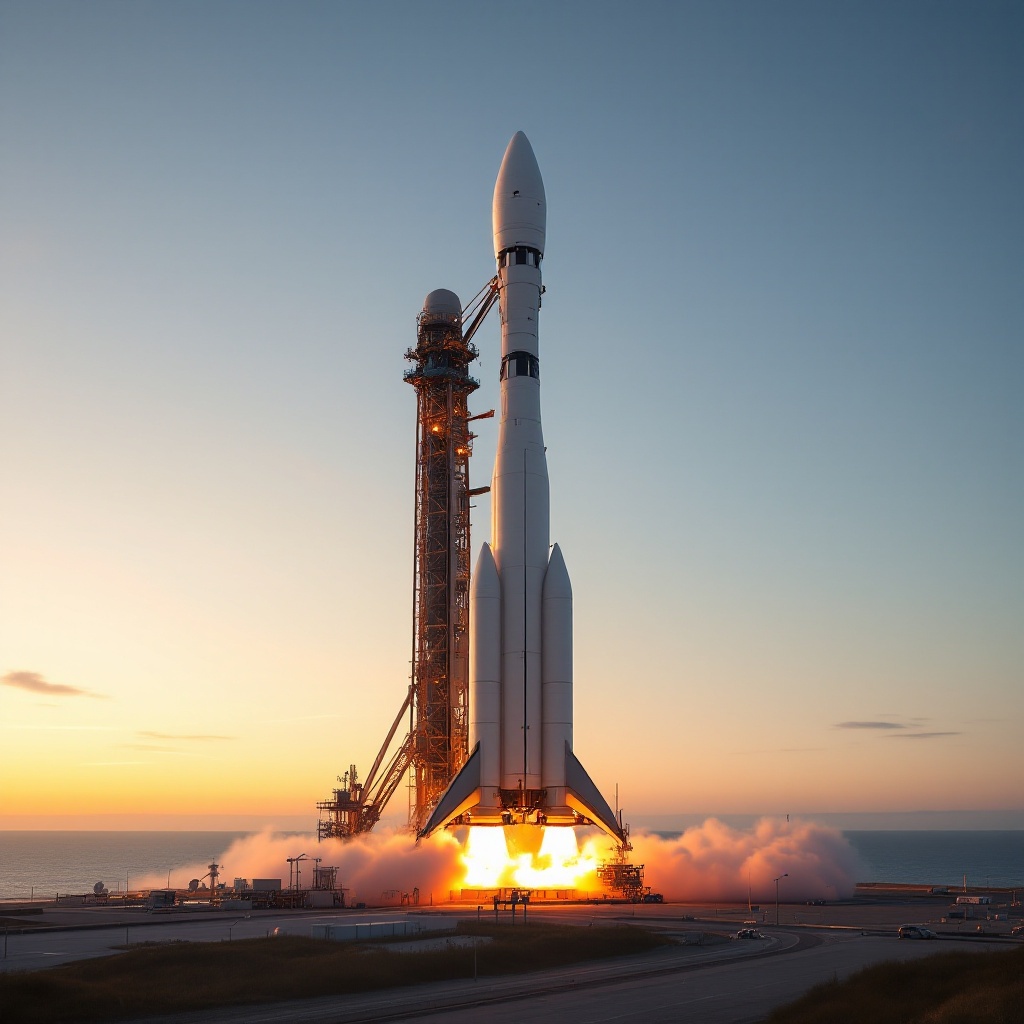
The cost of launching cargo to orbit will more than halve by the end of this decade and fall by roughly 93 percent by 2040, according to a new study led by Cambridge researchers. If the projection holds, it would rank among the most dramatic price collapses in the history of any transportation technology.
The research models how three forces acting together, reusable launch vehicles, rising launch cadence, and competition among providers, drive down the per-kilogram cost of reaching orbit. The study focuses on the structural cost curve rather than the economics of any single launch.
The forecast sets two markers. Launch costs are projected to fall more than 50 percent by the end of this decade, then decline by approximately 93 percent by 2040. For context, the study notes that the Falcon 9 already offers a rough benchmark of around 2,700 dollars per kilogram to low Earth orbit, down from tens of thousands of dollars a decade ago.
The model attributes the projected decline to the interaction of reusability, cadence, and competition rather than any one factor alone. As reusable vehicles fly more often and more providers enter the market, the researchers project a compounding downward pressure on price per kilogram carried to orbit.
A 93 percent reduction over 14 years would fundamentally change the economics of every space application, from communications to manufacturing to resource extraction, according to the study. The research frames the cost curve as the factor that makes or breaks the broader space industry, a variable that individual launch coverage rarely captures.
The next test will be whether launch costs meet the study's near-term marker, a decline of more than 50 percent by the end of this decade, before the projected fall toward roughly 93 percent by 2040. Companies building space infrastructure on the assumption that today's launch costs will hold could be the ones caught flat-footed when the price floor drops out.