Anduril Unseats Lockheed Martin as Prime for Army Missile Defense Integration
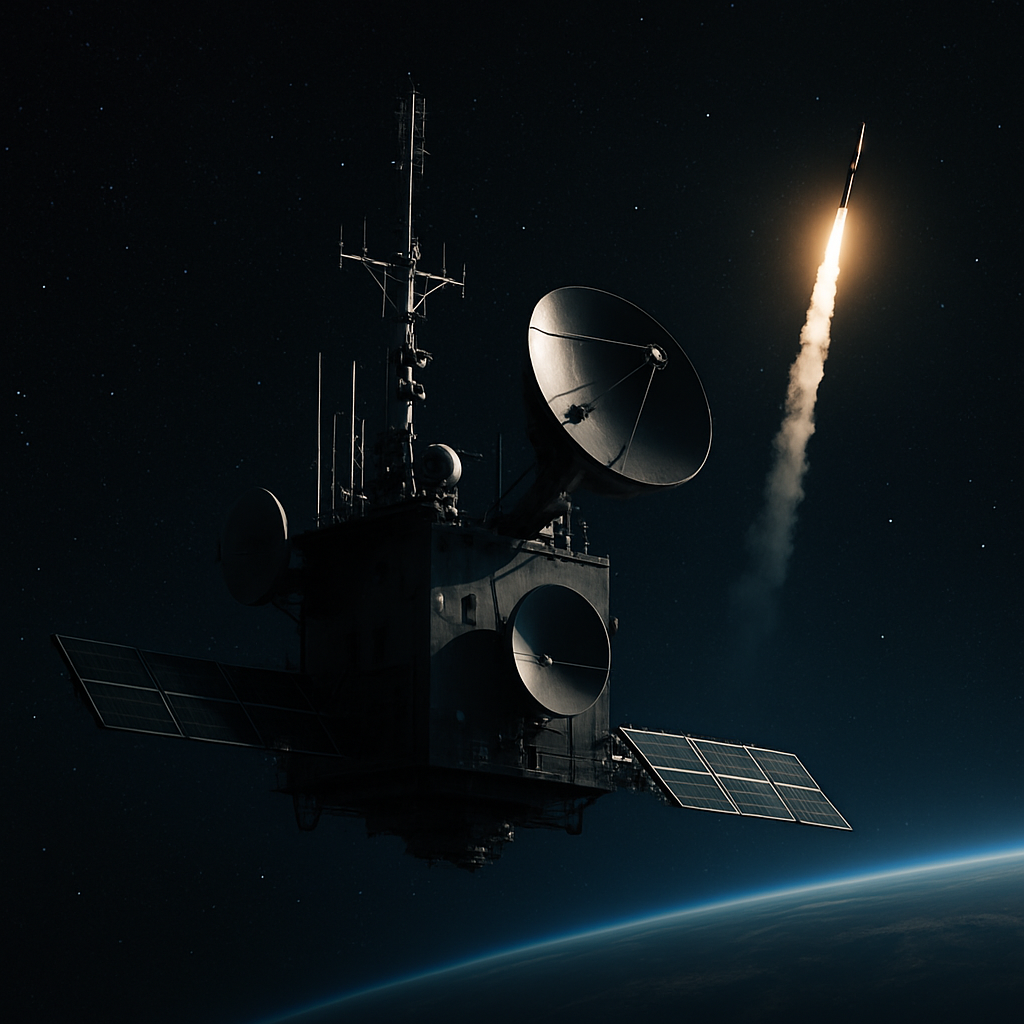
Anduril Industries has won a U.S. Army contract to build a prototype command-and-control system that will fuse data from multiple incompatible missile defense networks into a single operating picture for commanders. The win removes Lockheed Martin, the incumbent provider of Army air defense C2 systems, from the role -- a rare upset in a domain where legacy defense contractors have held near-monopoly status for decades.
The contract marks Anduril's largest bid win in traditional defense infrastructure and signals a significant shift in how the Army plans to solve a longstanding problem: its air defense architecture remains fragmented across platforms like THAAD, Patriot, and Navy Aegis systems that were built in different eras with incompatible command structures. The new Lattice-based system will create a unified interface that allows missile defense operators to see and coordinate across all these networks in real time.
The fragmentation of U.S. missile defense command-and-control has been a documented weakness for over a decade. When regional conflicts demand coordinated air defense across multiple service branches -- Army, Navy, Air Force -- commanders must often operate separate consoles and manually transfer critical targeting data between systems. The problem became acute enough that the Army formally tasked a contractor to solve it, and the competition drew interest from both established primes and newer software-focused defense firms.
Lockheed Martin had held the primary C2 integration role for Army air defense through its long tenure as the integrator of the Air and Missile Defense Command Post (AMDCP) system. The company's experience and existing relationships with operators gave it the presumed advantage. Anduril's selection breaks that pattern and represents an explicit Army decision to pursue a software-first approach over hardware-centric traditional integration.
Lattice is Anduril's modular software platform designed to ingest data from legacy systems without requiring those systems to be rebuilt from scratch. By working as an integration layer above existing infrastructure, it avoids the years-long redesign cycles that plague traditional defense modernization. The approach aligns with broader Pentagon thinking about "mosaic warfare" -- the ability to rapidly combine sensor and shooter assets in unpredictable combinations to overwhelm adversary defenses.
The contract is structured as a prototype phase, meaning Anduril will develop and demonstrate the system before any production decision. This limits near-term financial value but establishes a foothold in a market segment that has historically generated hundreds of millions in follow-on work. Success here could position Anduril as the de facto operating system for U.S. air defense integration -- a role that would extend far beyond the Army to joint operations.
The stakes are equally high for the defense technology industry itself. Anduril's win validates the venture-backed defense tech thesis: that nimble software companies can outcompete entrenched primes on integration challenges. A failed prototype, by contrast, would suggest the opposite and likely dampen future Army appetite for outsider bids on critical infrastructure roles.
The next critical moment arrives when Anduril completes its prototype demonstration and the Army evaluates whether the unified picture actually improves commander decision speed and accuracy in realistic scenarios.