Amazon to Launch 36 Satellites on Ariane 6's Upgraded Booster Flight
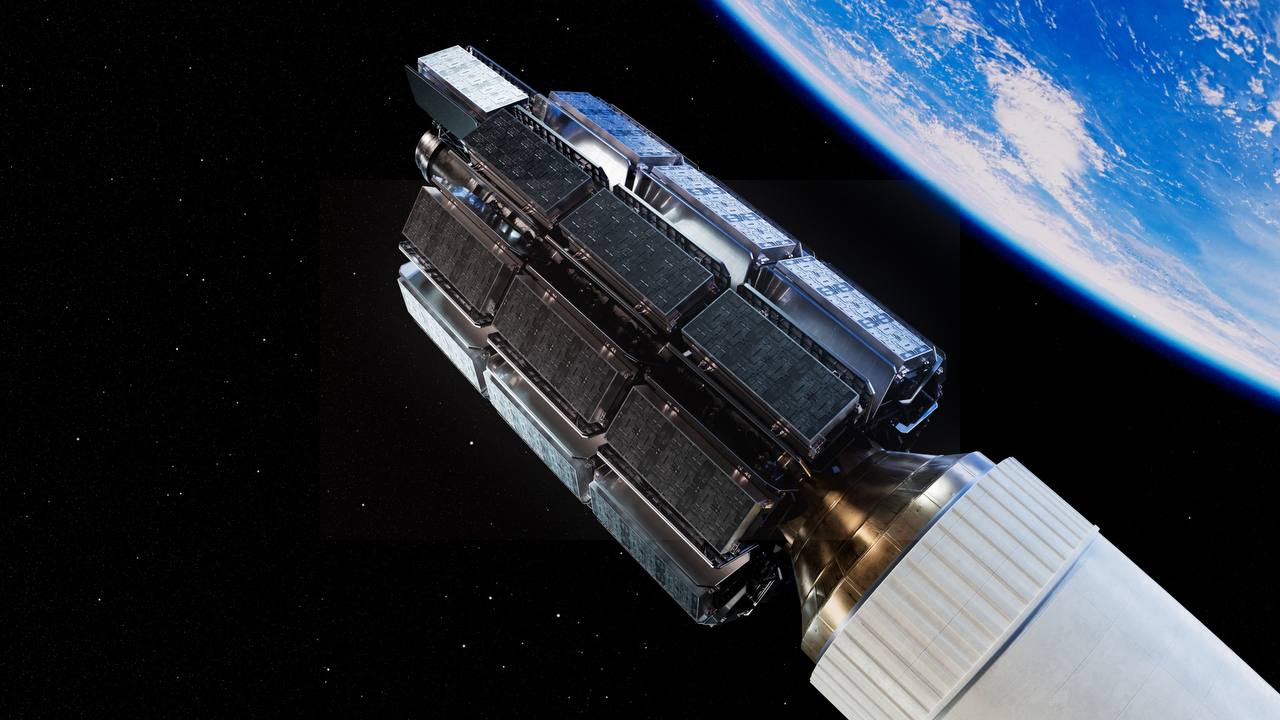
Amazon Leo will deploy 36 satellites aboard an Ariane 6 rocket this month, marking both the largest single payload for its Project Kuiper constellation and the debut flight of the European launcher's enhanced booster configuration. The mission represents a watershed moment for Ariane 6, which will demonstrate upgraded performance after years of development delays, and signals accelerated deployment momentum for Amazon's broadband satellite program.
Project Kuiper has moved methodically compared to SpaceX's Starlink, which already operates thousands of satellites in orbit. Amazon's decision to commit 36 satellites to a single Ariane 6 flight, rather than distributing smaller batches across multiple providers, suggests the company is confident in both the launcher's readiness and the economics of larger constellation deployments. The timing also underscores Amazon's strategy to diversify launch partners beyond US-based providers, reducing dependency on any single supplier as it races to complete Kuiper's orbital infrastructure.
The upgraded Ariane 6 boosters represent a meaningful capability enhancement for the vehicle. ArianeGroup engineers refined the solid rocket booster design to increase overall lift capacity, enabling the launcher to accommodate the heavier 36-satellite payload while maintaining performance margins. This upgrade was essential for Ariane 6 to remain competitive in the emerging mega-constellation market, where launch providers must handle payloads significantly heavier than traditional satellite missions. The booster improvements also unlock future commercial opportunities beyond Amazon, positioning Ariane 6 for the high-cadence launch operations European launch providers have promised governments and commercial customers.
Amazon has committed to building out a constellation of approximately 3,236 satellites across multiple orbital shells within Project Kuiper. To date, the company has conducted limited orbital deployments through other launch partners. This June 2026 mission will compress what might otherwise have required multiple launches using smaller-capacity vehicles, accelerating Amazon's path to constellation completion. The 36-satellite lift represents roughly one percent of Kuiper's full architecture, meaning Amazon will require hundreds of additional missions at comparable scale to achieve full operational capability.
The partnership reflects broader strategic calculations by Amazon. Launch diversity reduces single-provider risk and signals institutional support for European launch capabilities at a critical juncture. Ariane 6, which competes directly with SpaceX's Falcon 9 and ULA's Vulcan, has faced skepticism about commercial viability and flight cadence. Anchor tenants like Amazon, willing to commit large payloads to the vehicle, provide both revenue certainty and proof points that institutional customers trust the launcher for mission-critical infrastructure.
Ariane 6 must now execute this mission flawlessly. The June 2026 launch will be its first extended-performance flight, combining multiple technical demonstrations in a single mission. Success opens the door to sustained Amazon orders and establishes Ariane 6 as a viable platform for constellation deployment. Failure would reinforce existing doubts about the launcher's readiness and could fragment Amazon's launch strategy further across competing providers.
Watch for the actual launch date confirmation over the coming months, as well as any updates on the booster qualification status and whether Amazon announces additional Ariane 6 missions for later years.