Astronomers End 50-Year Quest, Confirm Black Hole Winds From Sagittarius A*
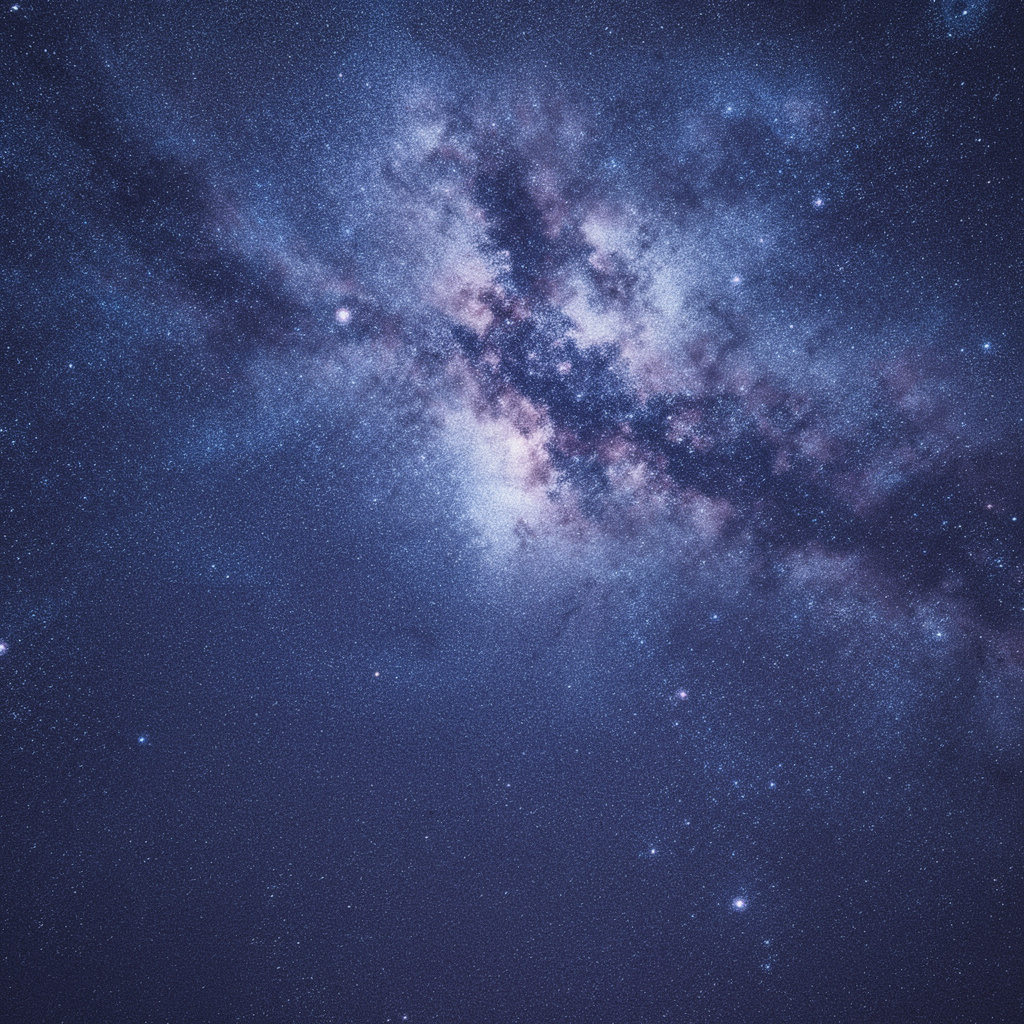
Astronomers at Northwestern University have detected powerful winds streaming from Sagittarius A*, the supermassive black hole anchoring the Milky Way's center. The discovery, announced June 5, 2026, confirms a half-century of theoretical predictions that all active black holes should generate outflows capable of reshaping their host galaxies. The winds were identified through X-ray observations and represent the first direct evidence of this phenomenon from our own galactic core.
The detection closes a significant gap between theory and observation in black hole astrophysics. Physicists have long predicted that as material spirals into a black hole, intense radiation and magnetic forces should expel some of that infalling gas outward at extreme velocities. These winds are thought to regulate how galaxies evolve by heating surrounding gas and limiting star formation. Yet confirming this process at Sagittarius A* has proven extraordinarily difficult because the black hole sits 26,000 light-years away, obscured by dust and competing radiation sources. Previous attempts to isolate its wind signature from background noise failed repeatedly across five decades of observation.
The Northwestern team used advanced X-ray spectroscopy to identify the characteristic signature of iron atoms being struck and accelerated by outflowing gas. The winds detected are traveling at speeds of roughly 3,600 kilometers per second and carry enough energy to influence the evolution of the Milky Way's central regions over cosmic timescales. This marks the first direct measurement of wind activity from Sagittarius A* itself, though the black hole's accretion properties have been studied extensively since its identification in the 1970s.
The discovery validates theoretical models predicting that black hole winds represent a universal mechanism across the universe. By understanding how the black hole at our galactic center produces and maintains these outflows, astronomers gain insight into identical processes occurring around more distant and more massive black holes billions of light-years away. This breakthrough means researchers can now test predictions about black hole feedback using observations of a single source rather than comparing distant galaxies with uncertain distances and properties. The data also constrains how much energy black holes release into their environments, a quantity crucial for simulating galaxy formation and evolution.
The implications extend beyond pure astrophysics. Understanding black hole winds helps explain the size and composition of galactic halos, the distribution of heavy elements throughout galaxies, and the connection between black holes and their host galaxies. The detection confirms that Sagittarius A*, despite appearing relatively quiet compared to actively feeding black holes elsewhere, remains a dynamic and influential engine shaping the Milky Way's structure.
Researchers are now analyzing archival X-ray data to trace how these winds have varied over the past two decades. Future observations with upgraded X-ray telescopes could measure wind properties with greater precision, potentially revealing seasonal or longer-period variations in black hole behavior. The next step involves confirming whether wind strength correlates with changes in Sagittarius A*'s accretion rate, a question that could unlock new understanding of how black holes regulate their own feeding processes.