Prada and Axiom Space Partner on Cooling Garment for Artemis Moon Missions
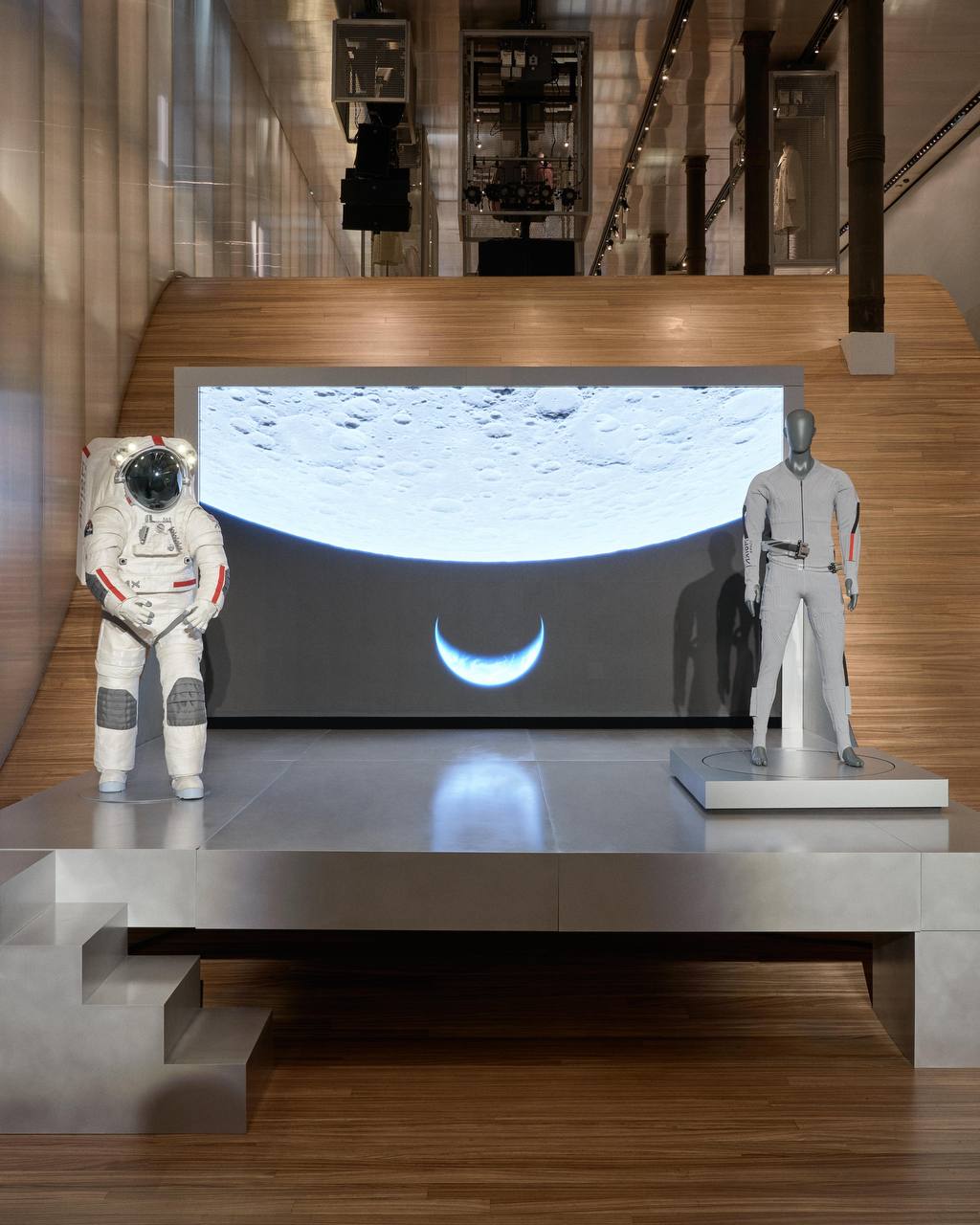
Axiom Space and Prada have unveiled the liquid cooling and ventilation garment that will regulate astronaut body temperature during lunar surface operations on NASA's Artemis III mission. The collaboration, announced June 7, represents the first time a luxury fashion brand has contributed functional engineering to spaceflight hardware, signaling a shift in how advanced materials expertise flows into human spaceflight design.
The garment is a critical component of thermal management during extravehicular activity on the moon, where astronauts face extreme temperature swings and metabolic heat buildup inside the pressurized suit. Without effective cooling, crew members can overheat dangerously within minutes. The LCVG circulates chilled water through a network of thin tubes worn directly against the skin, dissipating heat and maintaining core body temperature stability throughout a moonwalk.
Axiom Space developed the engineering architecture and integration of the cooling system into the Axiom Extravehicular Mobility Unit (AxEMU) spacesuit. Prada contributed advanced textile knowledge and materials science from its heritage in high-performance fabrics and wearable engineering. The Italian luxury house brought expertise in micro-fiber innovation and garment architecture typically reserved for its technical apparel lines. This marks a departure from traditional aerospace supply chains, where specialized contractors have historically held monopolies on spacesuit subsystems.
The LCVG addresses a known vulnerability in lunar EVA design. Apollo-era spacesuits relied on sublimator cooling, which used water evaporation to dissipate heat. Modern suits for longer-duration missions require more sophisticated thermal control. Astronauts performing high-workload tasks like sample collection, equipment deployment, or rover maintenance generate significant metabolic heat that must be shed continuously. The liquid cooling approach allows mission planners to extend EVA duration without risking heat-related incapacitation.
The partnership underscores how space hardware development is converging with commercial and luxury sectors as the industry matures. Prada's involvement suggests that aerospace companies now view collaborative branding with established consumer names as a legitimate path to funding innovation and accessing specialized expertise. For Prada, the association positions the house at the intersection of performance engineering and human achievement, a strategic expansion beyond traditional fashion markets.
Axiom Space selected Prada after evaluating material suppliers and textile engineering firms capable of meeting NASA's thermal performance, radiation resistance, and durability standards. The collaboration required Prada to certify fabrics and construction methods for spaceflight environments, a process distinct from commercial product development but grounded in the same material science principles.
The AxEMU suit remains on schedule for qualification testing ahead of Artemis III, currently targeted for 2026 or 2027. The LCVG design has completed initial testing in high-temperature chamber simulations replicating lunar surface conditions. Full systems integration testing with the complete suit is underway.
Watch for NASA's formal certification of the AxEMU spacesuit, expected in the next 18 months. Any delays in thermal system validation could impact the Artemis III launch timeline, making this component's performance during upcoming qualification tests a critical milestone.