Axiom Space Raises $525 Million as MUFG Bank Bets on Commercial Space Station Future
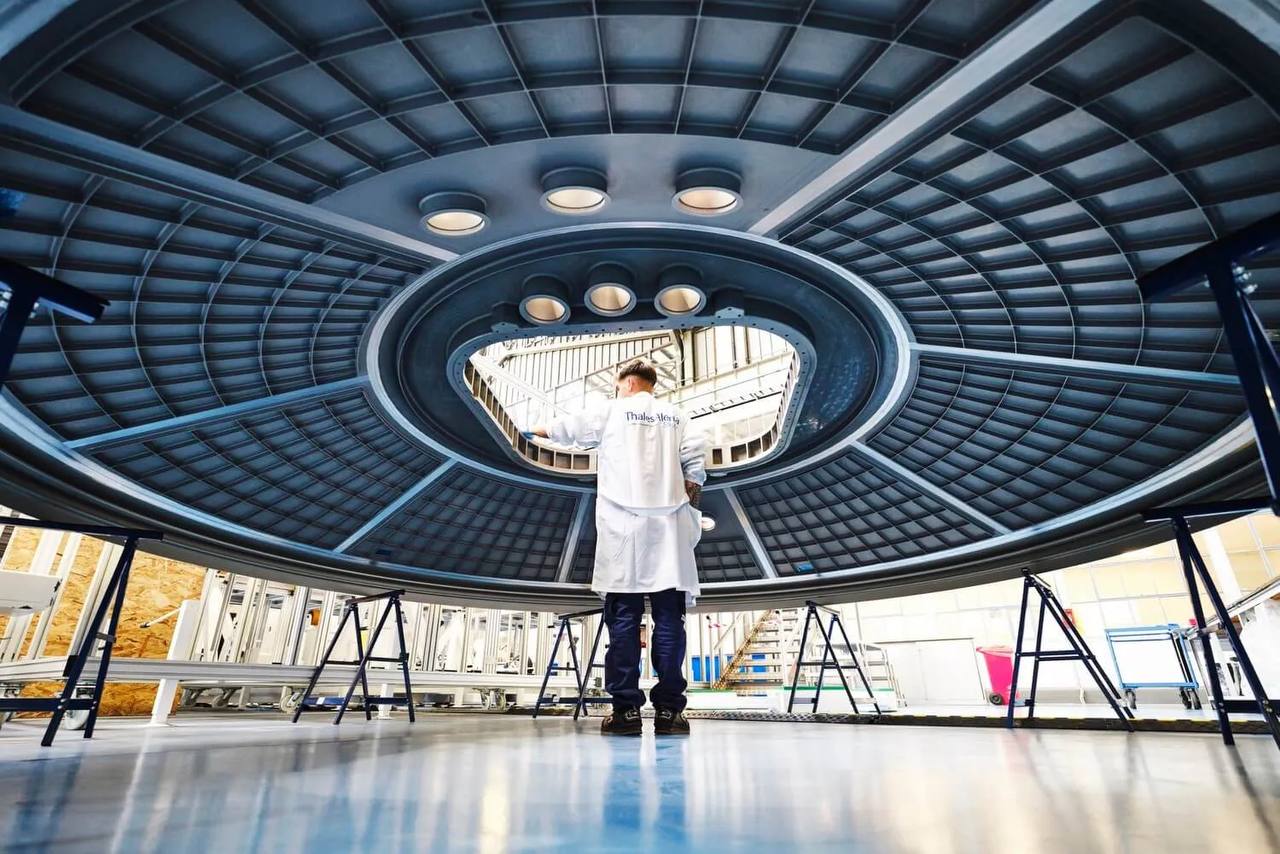
Axiom Space announced $525 million in fresh funding on June 4, marking a significant financial milestone for the company racing to build the commercial successor to the International Space Station. MUFG Bank's entry as a new investor signals that major financial institutions now view private orbital infrastructure as a viable business rather than speculative technology.
The funding injection arrives as Axiom faces an accelerating timeline to replace the ISS before NASA retires it in 2030. The company has already executed multiple private astronaut missions to the station and is manufacturing the first habitable modules that will attach to the ISS before eventually separating to operate as an independent facility. This phased approach allows Axiom to begin operations while the ISS remains functional, reducing the risk of an infrastructure gap in low Earth orbit.
Axiom's business model depends on securing government contracts, research agreements, and commercial customers willing to pay for access to orbital facilities. The company has secured contracts with NASA and other space agencies, but the success of a purely private station hinges on finding enough paying users to cover operational costs. Manufacturing in space, microgravity research, and space tourism represent potential revenue streams, but their commercial viability remains partially untested at scale.
The capital infusion brings Axiom's recent fundraising total to $525 million, with $175 million added in this round. The company has previously secured funding from venture capital firms and investment groups, but MUFG Bank's participation represents a meaningful shift. Japanese financial institutions have historically been cautious about space sector investments, making this endorsement a signal that commercial space infrastructure has crossed into mainstream finance territory.
Axiom's modular architecture positions it as the leading candidate to fill the operational void after the ISS is deorbited. The company plans to launch its first module within the next two years, with subsequent segments following in sequence. Each module will function independently but dock together to create an expanding platform. By the time NASA ends ISS operations, Axiom's station should be capable of supporting the research and operational missions currently conducted on the aging orbital platform.
The stakes extend beyond Axiom's success or failure. A gap in American orbital infrastructure would interrupt decades of continuous U.S. presence in low Earth orbit and could cede operational advantage to other nations developing their own stations. China has already deployed its own space station, and Russia has indicated intent to build an independent facility. The ISS retirement creates a competitive window where the company that executes fastest gains operational advantage.
Axiom must now balance accelerating its construction timeline with maintaining quality and safety standards. The company faces technical challenges inherent in orbital construction and commercial pressures to prove the business case before capital reserves deplete. The next critical milestone arrives within 18 months, when Axiom targets launch of its first module from Cape Canaveral.