Blue Origin Demonstrates Oxygen Extraction From Lunar Regolith
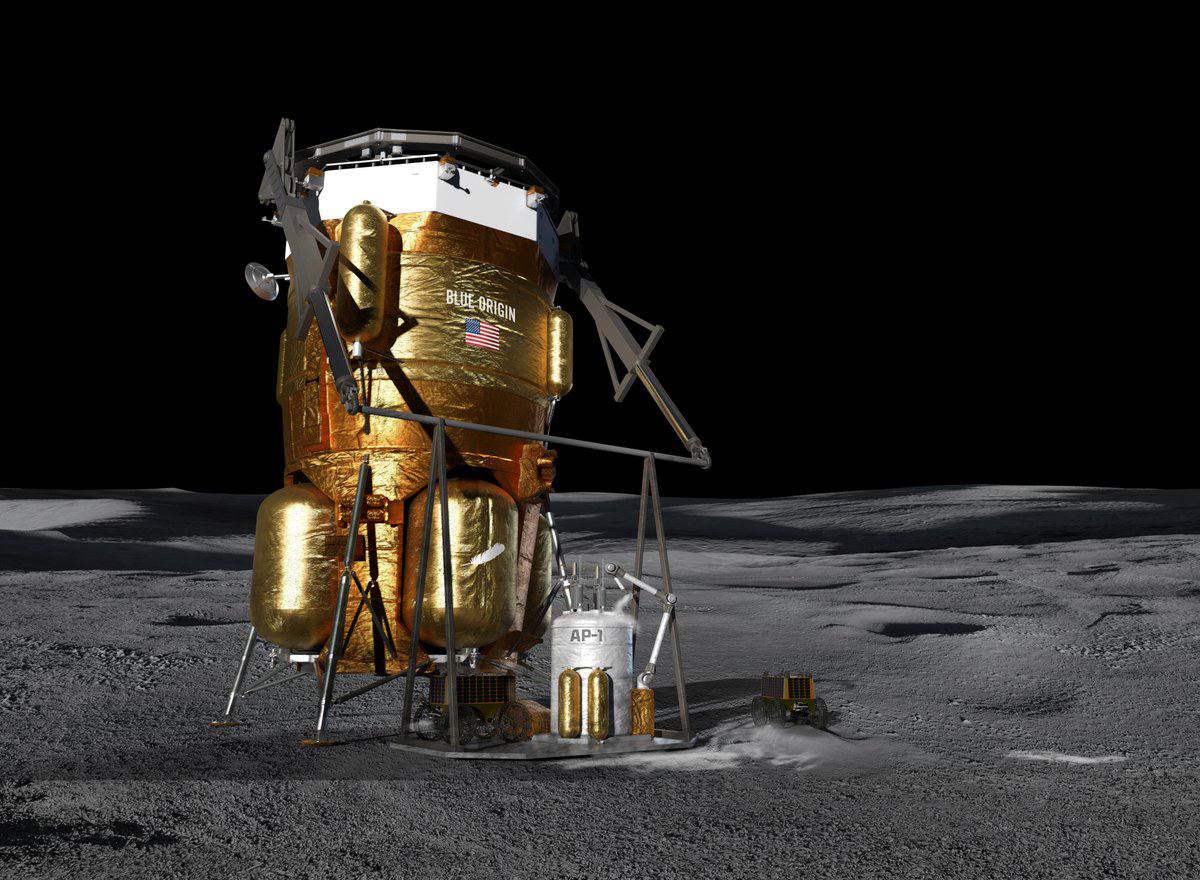
Blue Origin has successfully extracted oxygen from Moon dust using a device called Air Pioneer, marking a significant advance in in-situ resource utilization technology. The extraction demonstrates a pathway to produce breathable oxygen and rocket propellant directly on the lunar surface, potentially transforming the economics of sustained Moon operations.
The ability to manufacture oxygen on the Moon rather than transport it from Earth addresses one of the most fundamental challenges in lunar infrastructure development. Oxygen serves dual purposes in space missions: as breathable air for crew and as a key component of rocket propellant. The roughly 240,000-mile distance from Earth makes shipping these resources prohibitively expensive, particularly for large-scale operations. ISRU capabilities that extract materials already present on the lunar surface could reduce mission costs substantially while enabling longer-duration human presence.
Blue Origin's Air Pioneer device processes lunar regolith, the fine dust and rocky material that covers the Moon's terrain. The lunar surface contains significant concentrations of oxides bound in minerals, making it a viable resource for extraction operations. Various extraction methods under development focus on heating regolith or using chemical processes to release oxygen that can be collected and stored. The successful demonstration indicates Blue Origin has achieved functional extraction at a scale meaningful for further development.
The timing represents a notable achievement in the competitive landscape of lunar technology development. SpaceX, NASA, and traditional aerospace contractors have pursued ISRU concepts, but functional demonstrations remain limited. Blue Origin's progress with Air Pioneer positions the company as an operational leader in a capability essential for the Artemis program and commercial lunar ventures. NASA's Artemis missions plan to establish the Gateway lunar outpost and surface base, both operations that would benefit substantially from local oxygen production.
Air Pioneer's success addresses what engineers call the "last mile" problem in lunar logistics. Reducing reliance on Earth-supplied consumables improves mission sustainability and cost efficiency. One kilogram of oxygen shipped to the Moon costs thousands of dollars when accounting for launch and transportation infrastructure. Extracting oxygen locally, even at initially modest production rates, creates direct economic incentives for subsequent missions and commercial operations.
The demonstration comes as competition intensifies around lunar resource utilization. Several international space agencies and private companies are developing complementary ISRU technologies focused on water ice extraction, oxygen production, and propellant manufacturing. The company that achieves reliable, routine oxygen production on the Moon effectively becomes an infrastructure provider for all subsequent operations, a position with significant long-term strategic and commercial value.
Blue Origin has not yet announced specific production rates, operating timelines, or plans to deploy Air Pioneer on upcoming lunar missions. The company's next steps will likely involve scaling production capacity, testing durability in actual lunar conditions, and integrating the technology with planned lander systems.