Blue Origin targets year-end New Glenn launch after Cape Canaveral ground test explosion
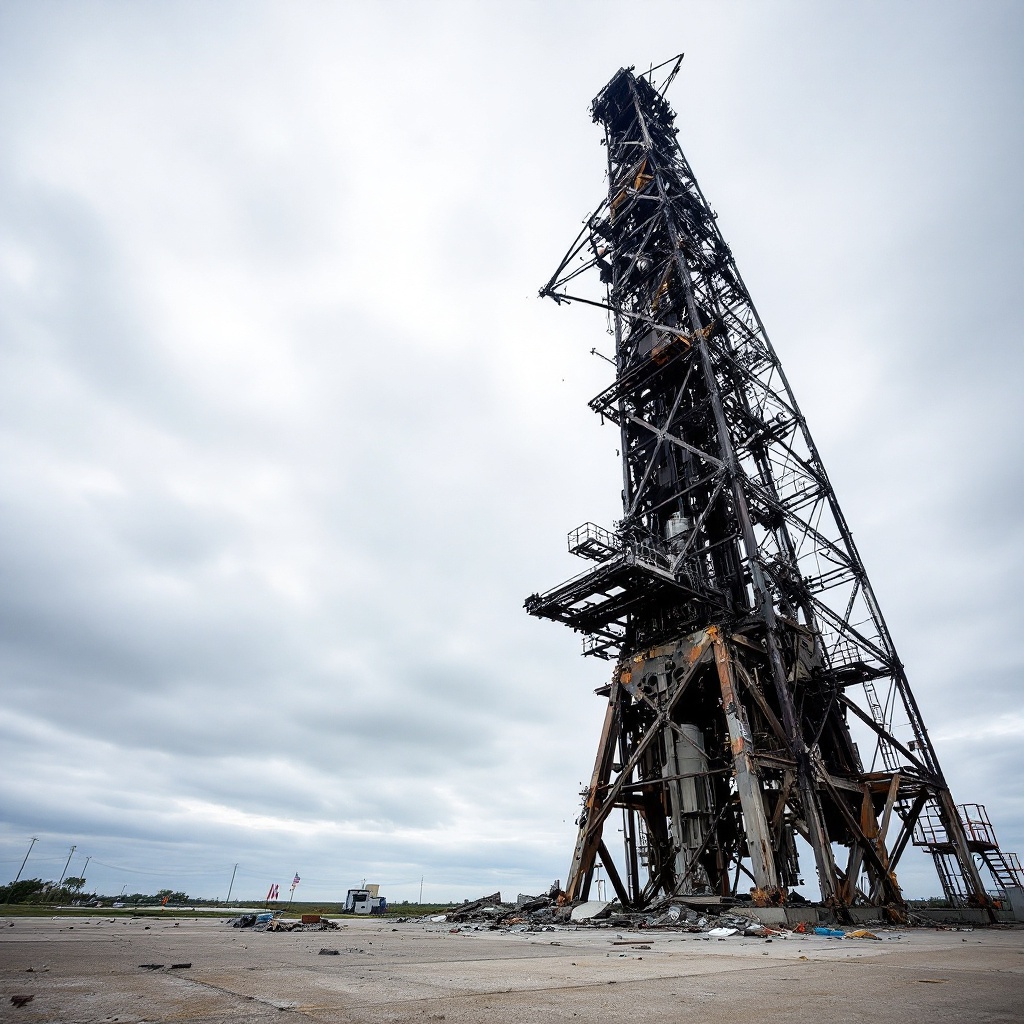
Blue Origin said it will return its New Glenn rocket to flight before the end of 2026, roughly seven months after an uncrewed vehicle exploded during ground testing at Cape Canaveral Space Force Base on May 28. The company's assessment found that the main propellant tanks survived the blast largely intact, giving engineers a foundation for rapid pad reconstruction at Launch Complex-36.
The explosion occurred hours after Blue Origin received its first National Security Space Launch contract from the Space Force, a significant validation of the company's heavy-lift capability that was immediately overshadowed by the pad incident. The timing underscores the high stakes in a nascent competitive moment: SpaceX's Falcon Heavy has dominated military launch requests for years, and Blue Origin's entry into the National Security Space Launch program represented the first serious prospect of price competition in that market.
New Glenn is Blue Origin's heavy-lift orbital rocket, designed to carry national security payloads and commercial cargo on missions to Earth orbit and beyond. The vehicle completed two successful test flights before the May 28 ground test, which was conducted to validate propellant loading and tank structural limits ahead of an upcoming orbital flight. The explosion destroyed the test article and damaged the mobile gantry structure at LC-36, but the propellant farm infrastructure including the liquid oxygen, liquid hydrogen, and liquefied natural gas storage systems survived with repairable damage.
CEO Dave Limp announced the return-to-flight timeline on June 2nd, 2026, following the damage assessment. The company will fabricate a replacement core vehicle while simultaneously reconstructing the launch pad's support gantry in place rather than replacing it entirely. Blue Origin has not disclosed the specific failure mode that triggered the explosion, pending completion of its investigation.
The seven-month rebuild would represent the fastest pad reconstruction in Blue Origin's operational history, though it remains notably slower than SpaceX's 2016 recovery from a Amos-6 explosion at nearby LC-40, which took roughly four months from incident to return to flight. SpaceX's faster turnaround reflected both the company's established manufacturing cadence and its willingness to accept risk in resuming operations with minimal additional safeguards.
The aggressive timeline carries operational and financial risk for a company that has prioritized deliberate testing over launch velocity. Blue Origin has historically extended development programs to maximize data collection and system validation, a posture that contrasts sharply with SpaceX's rapid-iteration approach. Compressing pad work, vehicle fabrication, and test procedures into seven months will require sustained focus across manufacturing and engineering teams.
The National Security Space Launch contract adds pressure to execute the comeback quickly. The Space Force awarded Blue Origin the contract hours before the explosion, validating the rocket's design maturity to military requirements. Delayed flight demonstration could trigger delays in the Space Force's first operational mission and provide ammunition to critics who question whether Blue Origin can sustain launch cadence against SpaceX's proven operational model.
Watch for Blue Origin's formal failure investigation findings, expected within weeks. Those results will determine whether the December target represents genuine engineering confidence or optimistic signaling to the Space Force and commercial customers.