Canada Commits $18.8 Billion to Military Space Capabilities in Strategic Pivot
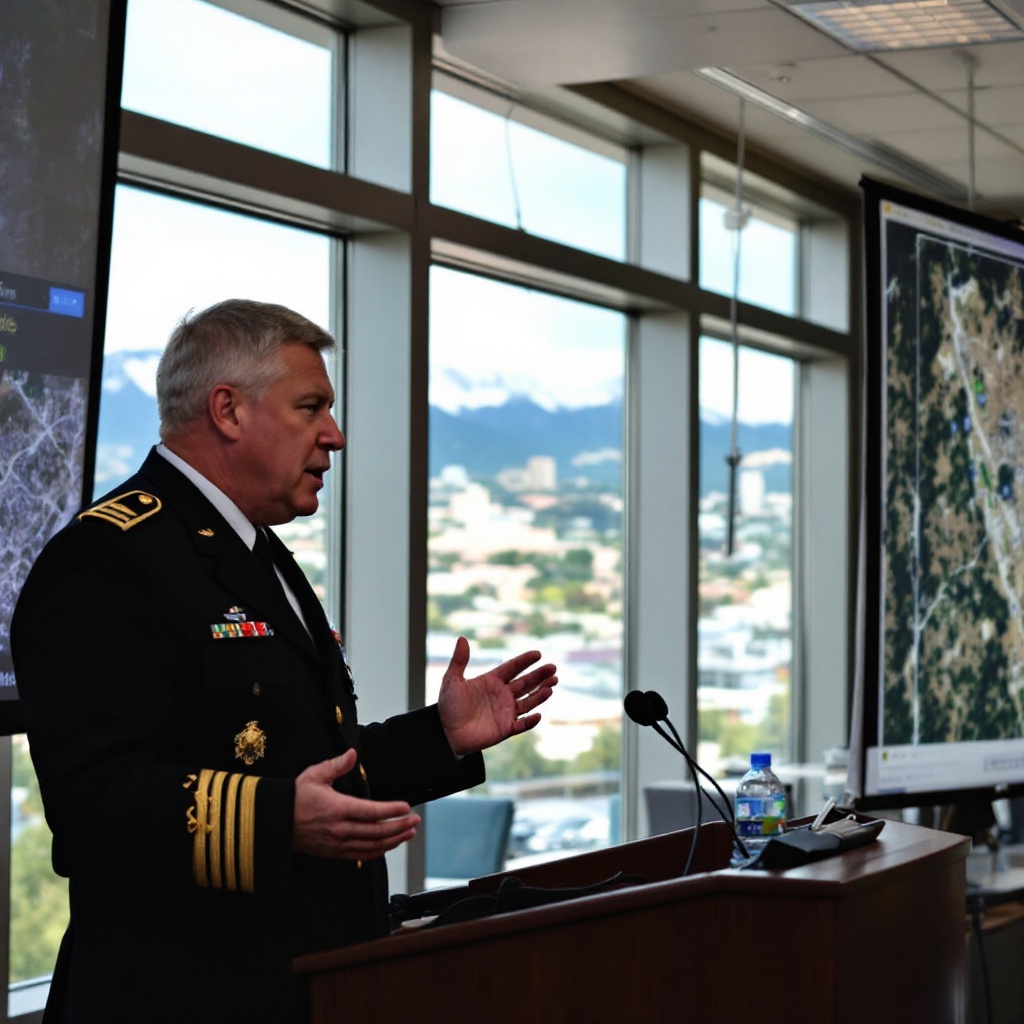
Canada is reshaping its space defense posture with an $18.8 billion multi-year investment announced June 3, marking what military leadership describes as a fundamental shift in how the country approaches space as a contested operational domain. The announcement, delivered by Brigadier General Brendan Cook at the 41st Space Symposium in Colorado Springs, signals Canada's intention to develop independent military space capabilities rather than continue as a junior partner reliant on U.S. infrastructure.
Canada has historically integrated its space operations within North American defense frameworks, including NORAD, with limited independent capability development. The shift reflects a broader recognition among allied nations that space infrastructure has become a target in great power competition. China and Russia have both demonstrated anti-satellite weapons and jamming capabilities in recent years. The U.S. established Space Force as a separate military branch in 2019, while European nations have accelerated their own space defense investments. Canada's announcement places it alongside allies acknowledging space as a warfighting domain requiring dedicated resources and strategic planning.
The $18.8 billion commitment extends across multiple years, though the Canadian Department of National Defence has not disclosed the specific timeline or annual allocation breakdown. Cook characterized the investment as transformational for Canadian space capabilities, framing it as essential to national sovereignty and continental defense. The funding will support development of military space systems, satellite communications infrastructure, space domain awareness capabilities, and operational readiness to protect Canadian and allied assets in orbit.
The announcement's timing and venue carry strategic weight. Canada fielded a record delegation to the Space Symposium, the largest gathering of space professionals in North America. This visibility reflects a deliberate effort to communicate resolve to allies, industry partners, and potential adversaries. The military's use of "profound shift" language indicates this is not incremental budget growth but a comprehensive reorientation of Canadian space policy toward military applications.
The investment signals growing concern within Canadian defense circles about vulnerabilities in current operational posture. As NATO allies and Indo-Pacific partners integrate space capabilities into broader defense strategies, Canada recognized that reliance on allied systems alone creates dependencies that constrain strategic flexibility. The budget suggests Canada intends to develop redundancy and independent command and control systems for critical space functions.
This commitment positions Canada as a serious player in allied space defense architecture. While $18.8 billion is modest compared to U.S. space spending, it represents a significant reallocation of Canadian defense resources. The investment will likely fund satellite constellation development, ground station infrastructure, and space operations centers capable of autonomous decision-making.
Watch for detailed spending announcements and specific capability timelines from the Canadian Department of National Defence in coming months. The next indicator of commitment will be industrial partnerships and contract awards, which will reveal whether Canada is building wholly domestic capability or deepening integration with allied space programs.