China's Shenzhou-21 Crew Returns After Record 210-Day Station Mission
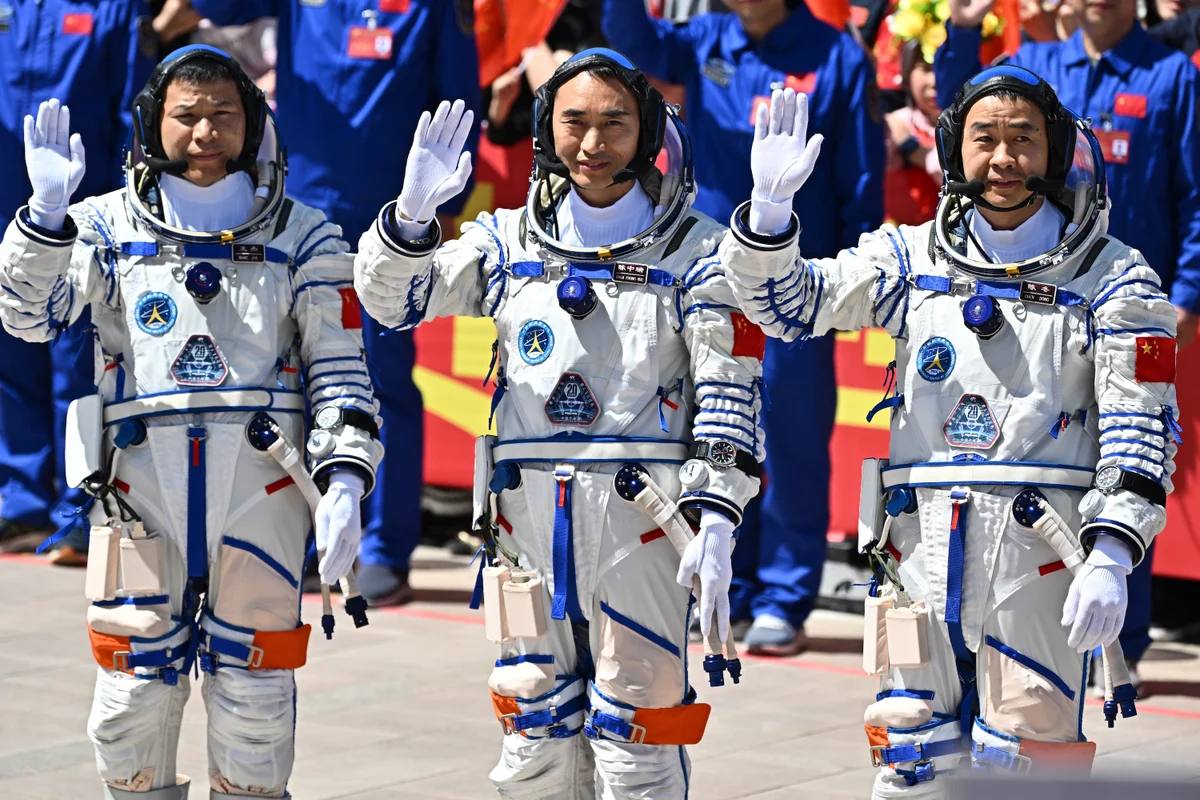
China's three-person Shenzhou-21 crew splashed down on May 29, 2026, ending a 210-day mission aboard Tiangong that sets a new national record for crewed spaceflight duration. The landing marks a significant milestone in China's push toward long-duration operations, demonstrating both technical capability and operational resilience after the crew had to return in a replacement spacecraft due to orbital debris damage.
The crew originally launched aboard Shenzhou-21 in November 2025 for what was planned as an extended stay on Tiangong, China's orbiting space station. In the following months, space debris struck and damaged their descent module, forcing a contingency plan. Rather than hastily bring the crew home in a degraded vehicle, Chinese mission planners launched Shenzhou-22 as an uncrewed rescue craft to serve as the crew's return vehicle. This approach mirrored procedures used by NASA and Russia for decades but represented a significant operational test for China's crewed spaceflight program.
The 210-day mission duration places Chinese spaceflight capabilities in the upper tier of global performance. For context, NASA astronauts regularly conduct six-month missions aboard the International Space Station, with some reaching nine months. The longest American single spaceflight lasted 437 days, set during the Skylab era. Russian cosmonauts hold the all-time record at over a year. China's achievement is particularly notable because it reflects planned capability rather than experimental endurance, signaling that long-duration missions are becoming routine rather than exceptional for the Chinese program.
One crew member elected to extend their stay and will return to Tiangong for a planned one-year mission beginning later this year, underscoring confidence in life support systems and crew rotation procedures. This decision reflects the maturity of China's station operations and availability of trained personnel for extended deployments. The other two crew members returned to Earth with full medical monitoring and began standard post-mission reconditioning protocols.
The space debris strike that necessitated the Shenzhou-22 launch highlighted growing concerns about orbital debris in low Earth orbit, an issue affecting all spacefaring nations. China's ability to execute a rapid rescue launch demonstrates that contingency planning is not merely theoretical but operationally executable. The mission also validates Tiangong's design for supporting crew rotations and resupply operations, core capabilities required for sustained human presence in orbit.
China's space administration has publicly committed to expanding Tiangong operations and plans additional year-long missions as part of a broader strategy to build independent human spaceflight expertise. With successful debris avoidance, crew swaps, and extended duration operations now in the operational playbook, China has moved beyond demonstration missions into steady-state space station operations comparable to international standards.
Watch for the upcoming one-year mission launch later this year, which would extend the current record and provide crucial physiological data on long-duration human spaceflight at Chinese operational standards.