Musk Locks In Control at SpaceX, Ties Compensation to Mars Colony Achievement
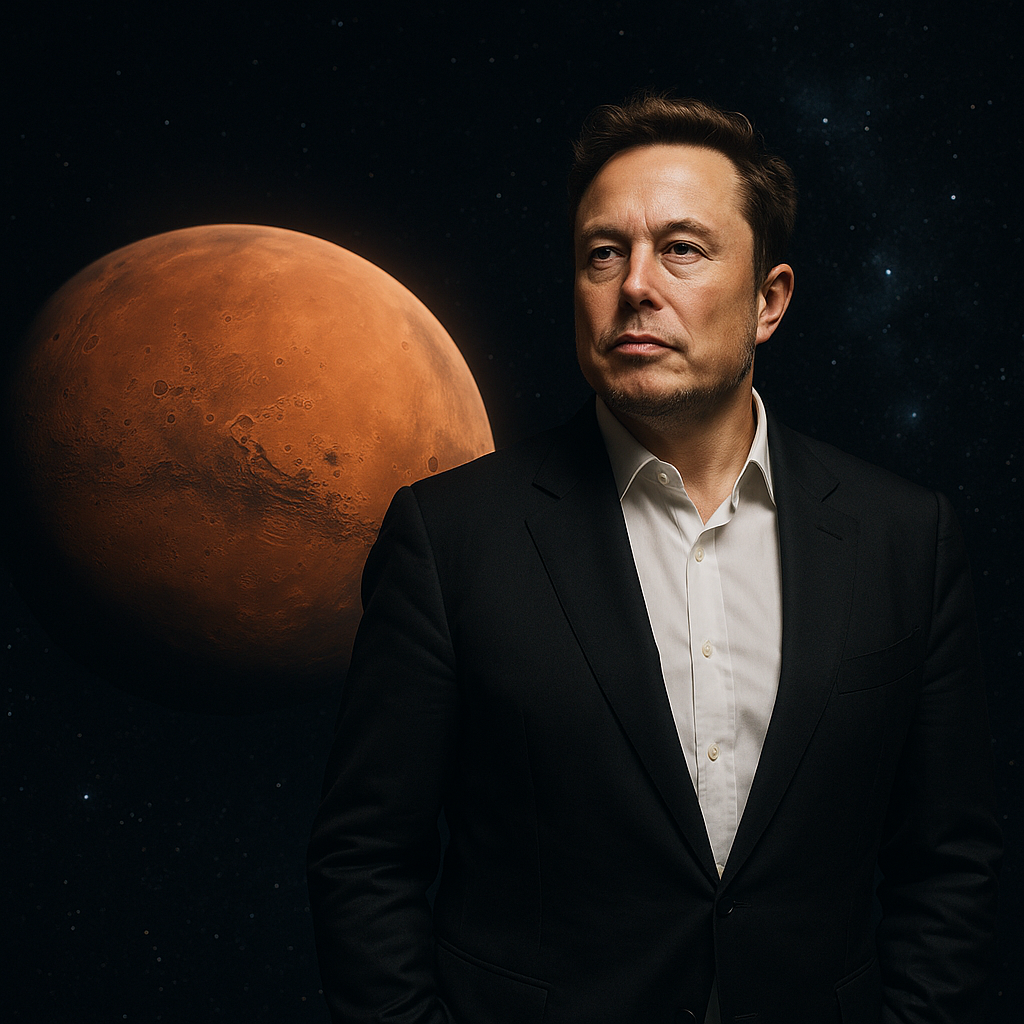
Elon Musk has implemented structural protections at SpaceX that prevent the board from removing him as CEO, while tying a potential trillion-dollar compensation package to the company's ability to establish a self-sustaining colony on Mars. The move, confirmed Friday on X, marks the first public disclosure of governance mechanisms designed to guarantee Musk's tenure through what the company views as a multi-decade mission.
The announcement reflects lessons from Tesla, where activist investors and board members have challenged Musk's control. By pre-emptively locking in his position and compensation structure at SpaceX -- a private company with greater flexibility than public firms -- Musk is betting that Mars colonization demands decades of consistent leadership from a single visionary. The strategy also signals that Musk views the Mars timeline as ambitious but achievable within a compensation-earning window, a threshold that shapes how seriously financial markets should treat the goal.
SpaceX has accelerated Starship development considerably since 2024, with multiple orbital test flights now annual events. The company's stated objective is to land humans on Mars in the late 2020s, with sustained settlement following. A trillion-dollar compensation package would dwarf most Fortune 500 executive deals and approach the scale of entire national economies. If structured similarly to Musk's controversial Tesla compensation agreement -- which faced shareholder litigation -- the payout would be contingent on hitting specific Mars milestones rather than traditional financial metrics like revenue or profit.
The structural protections prevent board action to terminate Musk without triggering defined conditions, a mechanism typically found in founder-led private companies or those with dual-class share structures. SpaceX remains privately held with limited external governance oversight compared to public aerospace contractors. The arrangement essentially extends Musk's operational control across the full arc of the Mars program, removing the possibility that other stakeholders could pivot strategy or replace leadership mid-mission.
This approach carries implications beyond SpaceX's operations. It signals that long-duration, civilization-scale projects may require governance structures fundamentally different from conventional corporate accountability. Musk is arguing that Mars colonization -- a goal with no defined return on investment and success metrics measured in decades -- demands the kind of single-minded direction that traditional board-level checks would complicate. Whether investors, regulators, or future SpaceX equity holders accept this trade-off between visionary control and distributed governance remains untested.
The immediate stakes center on Starship's next milestones: achieving reliable orbital refueling, sustained launch cadence, and the technical maturity required for lunar missions that will precede Mars attempts. Each successful test flight strengthens Musk's argument that his protected tenure is justified.