SpaceX's Starfall Project Aims to Transform Orbital Manufacturing Into Routine Business
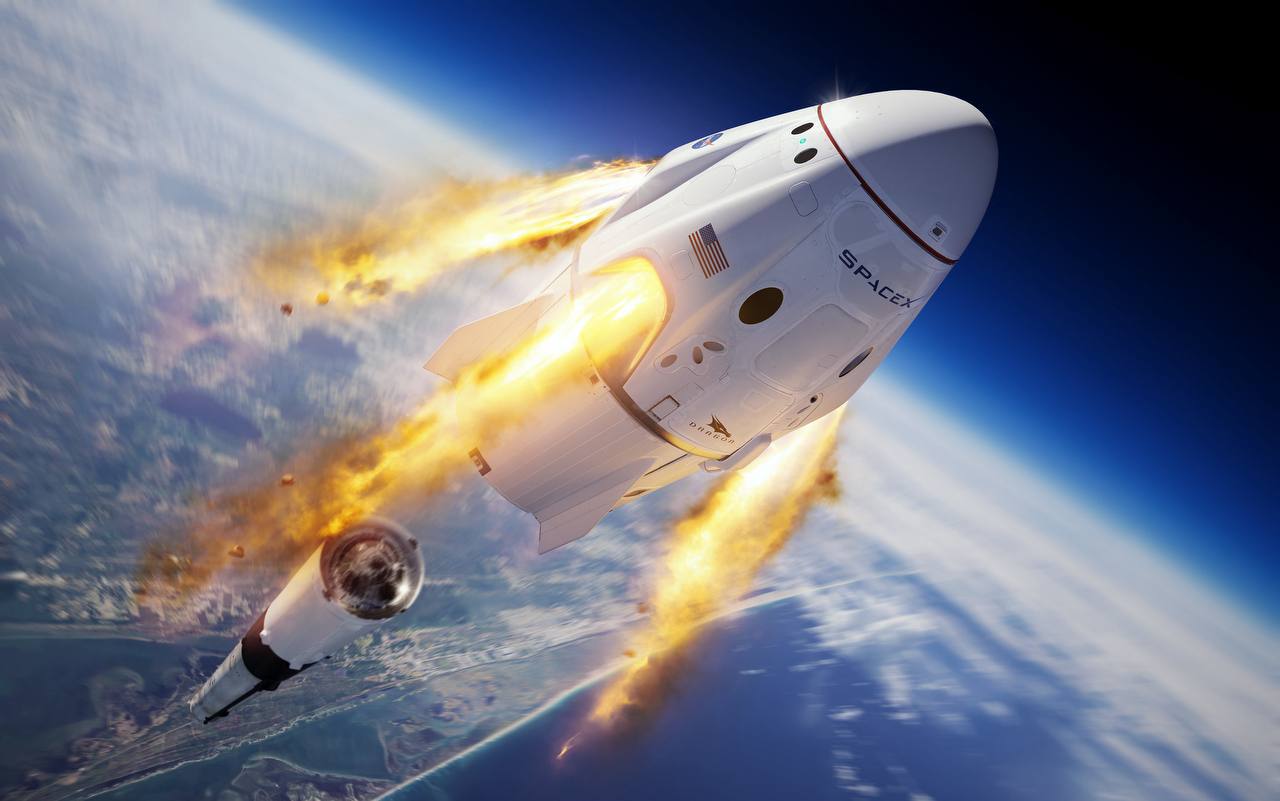
SpaceX is developing a dedicated reentry vehicle system called Starfall designed to return products manufactured in orbit to Earth, according to Federal Aviation Administration filings released May 31. The project represents a significant expansion of commercial space infrastructure beyond launch services, positioning the company to capture the return-cargo segment of what could become a multi-billion-dollar orbital manufacturing economy.
The FAA documents indicate SpaceX has progressed far enough in Starfall's development to seek regulatory approval for test flights. The reentry vehicles would support the growing list of companies manufacturing materials and products in microgravity, from pharmaceuticals that crystallize more effectively in zero gravity to specialized semiconductors and exotic alloys. Until now, returning these high-value payloads to Earth has relied on existing cargo vehicles or improvised solutions. Starfall signals SpaceX's intent to make the return journey as routine and cost-effective as the launch.
The broader context shows orbital manufacturing moving from theoretical promise to operational reality. Companies including Axiom Space, Redwire, and others have begun operating manufacturing facilities aboard the International Space Station and are planning dedicated commercial stations. Production volumes remain small, but the economics are compelling: certain pharmaceutical compounds and materials manufactured in microgravity command premium prices that justify the cost of spaceflight. The missing piece has been reliable, affordable return logistics. SpaceX's entry into this segment potentially closes that gap.
Details about Starfall remain limited in the FAA filings, but the vehicle is designed specifically for the orbital manufacturing mission rather than adapted from existing systems. The documents reference a test flight program, suggesting hardware is already in development or fabrication. SpaceX has not publicly announced Starfall's specifications, recovery method, or payload capacity, though the company's existing experience with Falcon 9 booster recovery and Crew Dragon splashdown operations provides a foundation for the technology.
The timeline for operational service is unclear, but the regulatory filing stage typically indicates a program is two to three years from flight testing. SpaceX's request for FAA approval suggests the company expects to conduct initial test flights in the near term. Success would give SpaceX a significant advantage in capturing a emerging market before competitors can establish comparable infrastructure.
The strategic importance lies in shifting the flywheel of space economics. Historically, SpaceX has focused on maximizing launch cadence and reducing launch cost. Starfall targets the other side of the equation: making space-manufactured goods economically viable for commercial buyers. If launch costs have fallen and return costs remain high, the orbital economy stays limited to ultra-premium applications. Reliable, affordable return logistics open the door to higher volumes and new product categories.
Watch for SpaceX's next public disclosure about Starfall, likely through a regulatory filing or test flight announcement. The first uncrewed test reentry would validate the vehicle's design and signal how quickly the system could reach operational status. Any partnership announcements with manufacturing companies planning orbital production would indicate customer demand is already secured.