FAA Grounds SpaceX Starship After Super Heavy Booster Crashes During Landing
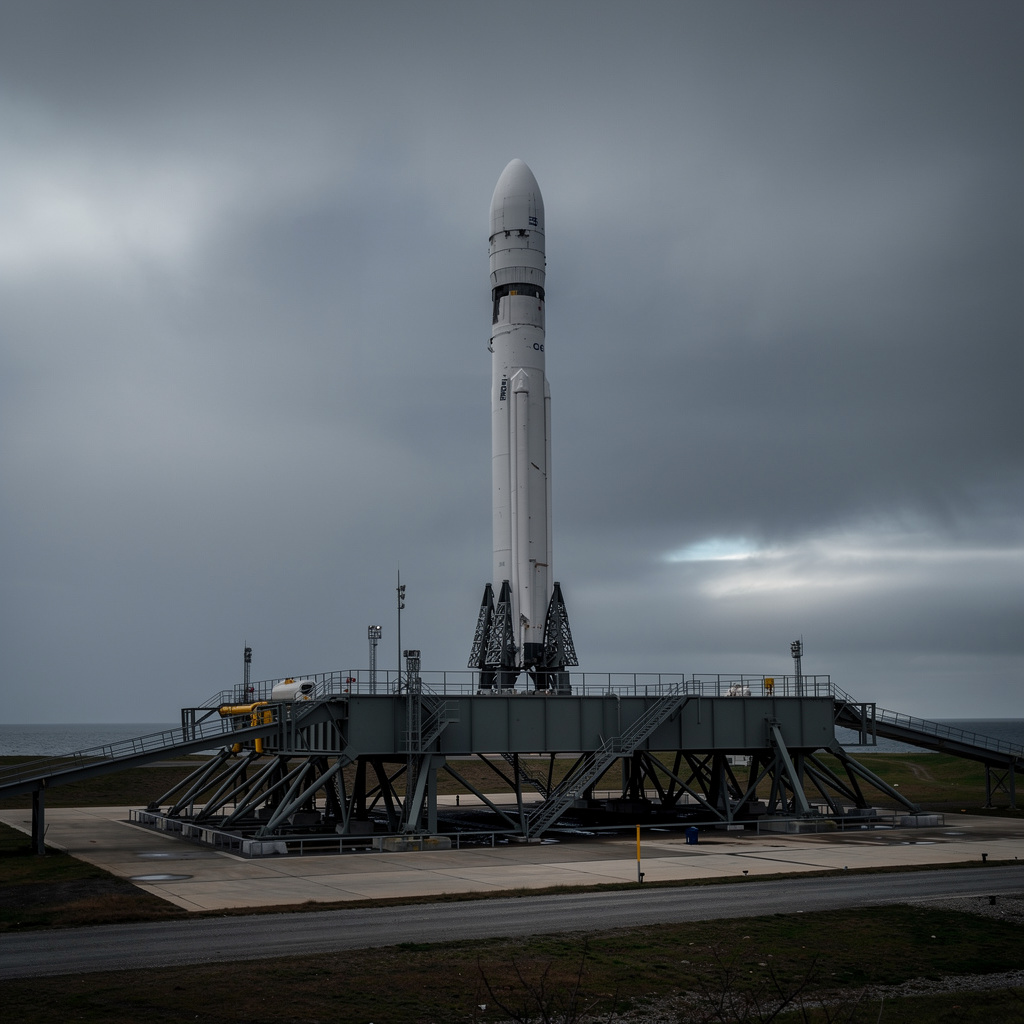
The Federal Aviation Administration ordered SpaceX to halt all Starship launches indefinitely after the company's upgraded V3 variant experienced a catastrophic booster failure during its May 22 test flight from Texas. The Super Heavy booster lost control during its landing sequence and crashed into the Gulf of Mexico, prompting the FAA to announce a formal grounding on May 27 pending a complete mishap investigation and corrective action plan.
The crash marks SpaceX's first major regulatory setback since Starship became operational and arrives at a particularly fraught moment for the company. NASA had just announced Moon Base cargo delivery contracts that critically depend on Starship's reliability and cadence. The timing underscores a broader reality: SpaceX's legendary speed in development and testing operates within hard regulatory boundaries that the FAA will enforce regardless of commercial pressures or strategic importance.
Starship Flight 12 was the maiden flight of the V3 configuration, representing SpaceX's latest hardware iteration following months of incremental improvements. The launch itself proceeded nominally, but the booster failed to establish stable conditions for its vertical landing attempt over the Gulf. The specific failure mode remains under investigation, though preliminary data suggests a propulsion or guidance system anomaly during the powered descent phase. This was not a structural failure or pad abort, but rather a loss of control during the terminal landing phase when precision is most critical.
The FAA's grounding is absolute and indefinite. SpaceX cannot conduct another Starship launch, including the integrated booster and ship flights that have become routine in the test campaign, until the company completes a full mishap investigation and submits a detailed corrective action plan for FAA approval. The investigation timeline is unknown, though SpaceX has historically moved quickly through such reviews. The company faces pressure to accelerate findings without cutting corners, given the Moon Base contracts now at stake.
NASA's recent Moon Base contract announcements specified Starship as the primary heavy-lift vehicle for lunar cargo delivery, committing the agency to a dependency on Starship's operational tempo. Those contracts were signed within days of SpaceX's $2.29 billion Space Force investment in national security launches, creating a convergence of government backing just before this grounding. The timing compounds the regulatory friction. SpaceX will need to demonstrate not just that V3 can land a booster reliably, but that the company understands what went wrong and has implemented systemic improvements.
The broader significance is that regulatory authority over commercial spaceflight remains real, not ceremonial. SpaceX's track record of successful tests and rapid iteration may have created an impression of inevitable progress, but the FAA operates under clear mandates to ensure safety and can interrupt operations when warranted. This enforcement action resets expectations for all commercial launch providers about the limits of development schedules.
The critical milestone ahead is SpaceX's submission of its investigation findings and corrective action plan to the FAA, likely within weeks. How the agency responds to those proposals will determine whether Starship flights resume in June or face a longer delay that could ripple through Moon Base deployment timelines.