Firefly Aerospace Launches Public Stock Offering on Heels of Lunar Contract Win
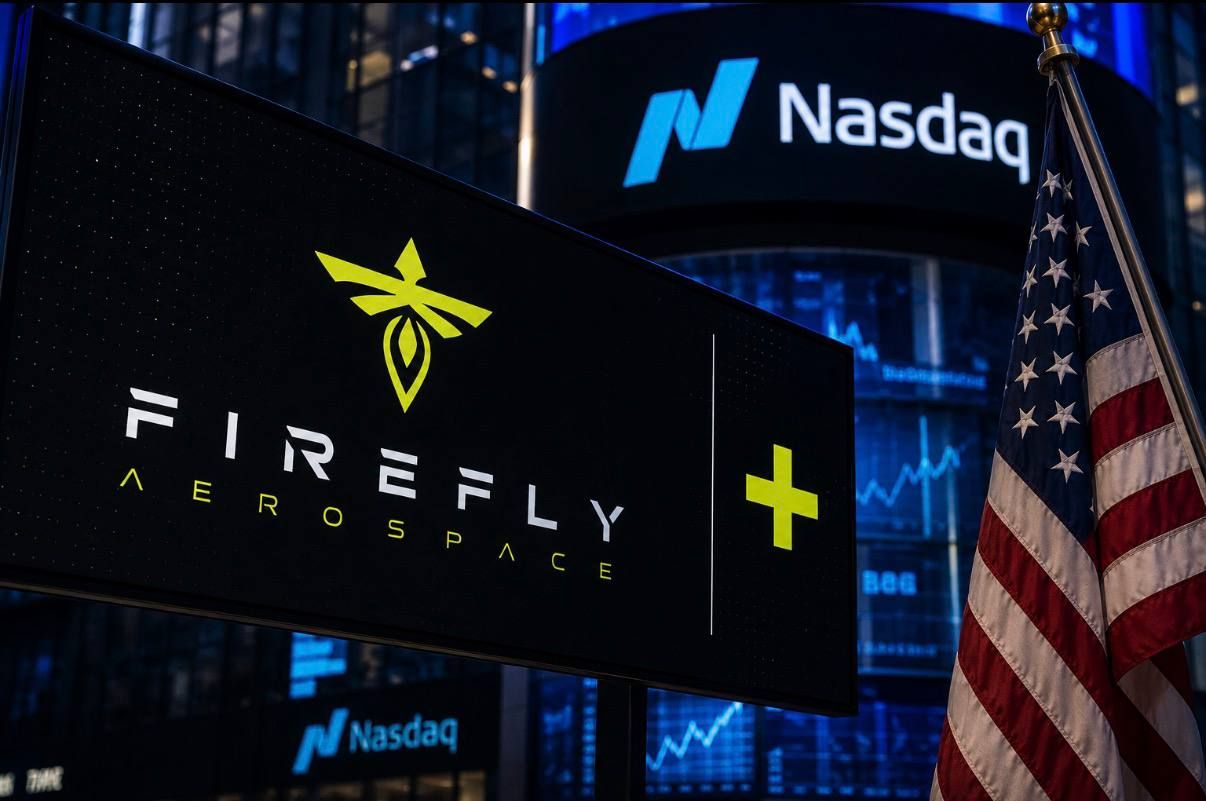
Firefly Aerospace announced a public equity offering of 12 million shares on May 26, capitalizing on momentum from a recent $75 million NASA subcontract to deliver robotic assets to the lunar south pole. The company is offering 4 million shares while existing stockholders are selling 8 million, signaling both capital raising for operations and significant insider liquidity events.
Firefly has positioned itself as a competitor in two of the space industry's hottest segments: orbital launch services and in-space infrastructure. The company operates the Alpha rocket for commercial and government payloads and has been building capabilities in lunar logistics and other deep-space services. The NASA contract, awarded through the Jet Propulsion Laboratory's MoonFall program, represents a validation of Firefly's technical approach and government confidence in its execution, and provides the company with a visible revenue stream as it pursues public markets.
The offering structure reveals the mixed motives typical of venture-backed space companies moving to public markets. Firefly's 4 million share tranche funds operations and future development. The 8 million shares offered by existing investors represent a substantial secondary transaction, allowing venture capital firms and early-stage backers to realize returns without a full company sale. That ratio, two-to-one secondary over primary shares, is not unusual in space IPOs but does indicate that early investors are taking the opportunity to exit or reduce exposure.
Firefly was founded in 2016 and has secured funding from the Polaris Investment Company, KKR, and other institutional backers. The company has contracted with both commercial and government customers, including work on deorbiting defunct satellites and other in-space services. The $75 million JPL contract, awarded in early 2026, was the largest government award to Firefly to date and demonstrated sustained demand for the company's robotic systems and launch capabilities.
The timing of Firefly's IPO reflects broader investor appetite for space infrastructure companies. Several launch startups and space services providers have filed or completed public offerings in the past 18 months, signaling that capital markets are willing to fund the sector despite modest profitability and high technical risk. However, the space IPO wave has also created pricing pressure and exposure to market volatility, and companies with unproven unit economics or execution risks have seen their public valuations punished.
Firefly's success in raising capital through the offering and in delivering on the NASA contract will influence how other venture-backed space companies approach the public markets. A strong IPO reinforces investor confidence in the commercial space ecosystem. A weak reception or delayed deployment of the lunar assets would raise questions about startup valuations and the sustainability of near-term demand for space services.
The company's next critical milestones include pricing and closing the public offering, which typically takes two to four weeks, and the initial deployment of systems under the NASA contract, scheduled for late 2027. Investor focus will remain on Firefly's path to sustained profitability and its ability to retain government and commercial customers in an increasingly competitive launch market.