Google and SpaceX Explore Orbital Data Centers for AI Workloads
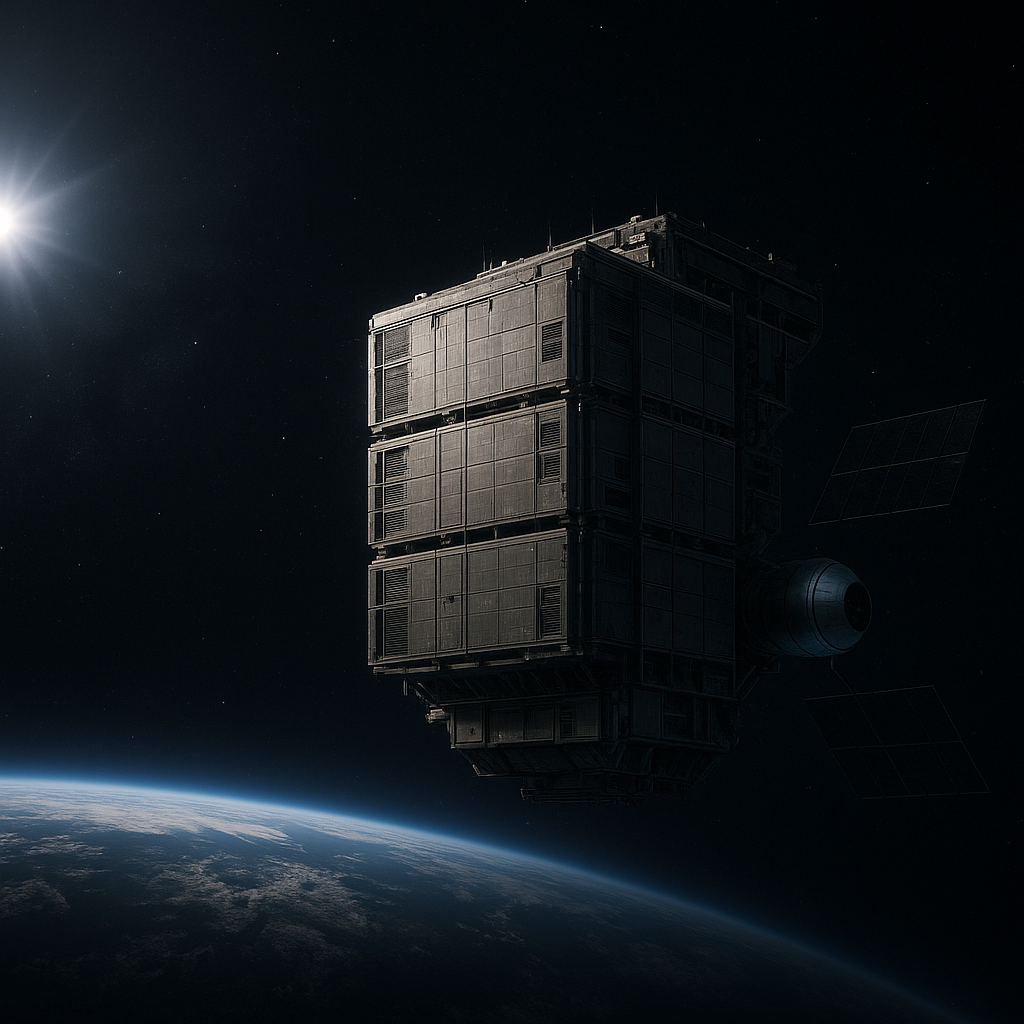
Google and SpaceX are in active discussions to deploy data centers in orbit, targeting artificial intelligence compute as the initial use case. The talks signal that major cloud providers are seriously weighing space-based infrastructure despite today's prohibitive costs -- a shift that could reshape where and how the world's AI systems run.
The premise is straightforward but ambitious: as artificial intelligence demand strains Earth-based data center capacity and power grids, orbital platforms offer unlimited cooling, proximity to satellite networks, and freedom from terrestrial resource constraints. SpaceX's reusable Starship system and Google's infrastructure expertise represent a potential match. Yet orbital data centers remain vastly more expensive than ground-based facilities, with launch, power generation, and operational costs all orders of magnitude higher than conventional cloud infrastructure.
The conversation between the two companies arrives at an inflection point in spaceflight economics. SpaceX has driven launch costs down by a factor of ten over the past decade through rocket reusability. Simultaneously, AI model training and inference are consuming ever more power and computational resources -- creating pressure that could justify higher-cost solutions if they solve other problems. Thermal dissipation in dense server clusters is one such problem; orbital systems in sunlight have natural radiators. Data latency for certain applications is another; satellites in orbit can serve regions where ground infrastructure is limited.
Other companies are already moving faster. Cowboy Space raised $275 million in recent funding to develop orbital data center technology. Axiom Space, Element Z, and others are exploring similar concepts. What distinguishes the Google-SpaceX talks is institutional weight. Google operates some of the world's largest data center footprints and shapes cloud computing standards. If Google's engineers believe the economics pencil out, the industry will follow.
The discussions remain in early stages with no announced timelines or architectural commitments. Key unresolved questions include power supply (solar panels, nuclear reactors, or other generation), thermal management, data transmission bandwidth between orbit and ground, and cost per compute unit. SpaceX would likely provide launch and potentially orbital platform services; Google would architect the computational infrastructure and integrate it with its cloud services. Neither company has confirmed specific technical requirements or investment levels.
The significance lies not in imminent deployment but in credibility shift. Orbital compute moves from speculative startup vision to something major infrastructure players are allocating engineering resources toward solving. If SpaceX continues reducing launch costs and if AI demand growth outpaces Earth-based data center buildout, the window for orbital infrastructure viability expands. Power consumption of large-scale AI systems is already becoming a constraint for utilities in certain regions -- space offers a potential pressure release.
Watch for technical white papers or architecture announcements from either company that detail power budgets, latency specifications, or initial capacity targets. A formal partnership agreement would signal that the concept has moved from exploration to commitment.