Intuitive Machines Takes Over Operations of NASA's Lunar Reconnaissance Orbiter Camera
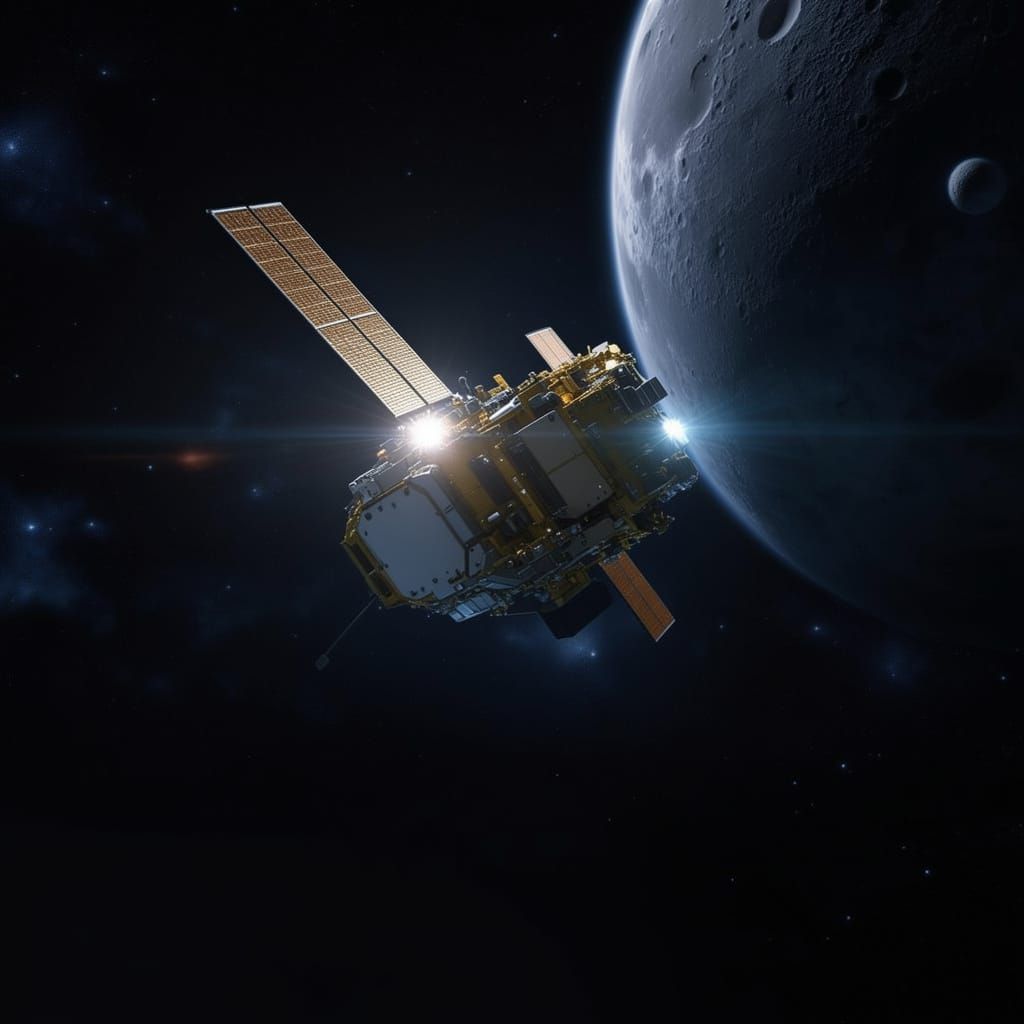
Intuitive Machines has become the prime contractor for operating NASA's Lunar Reconnaissance Orbiter Camera and a second lunar science instrument, marking the first time the space agency has handed operational control of active lunar science missions to a commercial company. The transfer, announced May 18, represents a significant shift in how NASA manages decades-old orbital assets and signals the agency's willingness to test whether private industry can sustain science operations more cost-effectively than government centers.
The Lunar Reconnaissance Orbiter, launched in 2009, has been the primary source of high-resolution imagery and thermal data for the Moon. The camera system and its companion instrument have orbited continuously, producing science data that has shaped NASA's understanding of lunar geology, resource distribution, and potential landing sites. Until now, operations have been managed by NASA centers and their traditional contractors. Handing these functions to Intuitive Machines transfers day-to-day mission operations, data processing, and payload scheduling entirely to the commercial sector.
The agreement covers two instruments aboard the orbiter, though NASA identified the Lunar Reconnaissance Orbiter Camera as the primary focus. Intuitive Machines will assume responsibility for instrument commanding, data management, archival, and distribution to the scientific community. The company will also handle routine maintenance and troubleshooting for systems that have now operated for more than 15 years. No new funding announcement accompanied the transfer, indicating NASA negotiated performance-based pricing rather than cost-plus contracts typical of government operations.
This contract positions Intuitive Machines beyond its current identity as a lunar lander provider. The company successfully landed its Nova-C lander on the Moon in February 2024 and has additional cargo missions planned. Adding science operations management expands the company's portfolio into sustained orbital infrastructure, a domain traditionally held by Lockheed Martin Space Systems and other established contractors. Intuitive Machines views this as validation that a newer company can manage complex, long-duration space operations.
The decision reflects NASA's broader strategy to reduce direct operational costs for mature science missions. The agency has experimented with commercial partnerships on Earth-orbit missions but lunar operations present greater complexity due to communications delays and the spacecraft's distance. If Intuitive Machines demonstrates reliable, cost-effective management of the orbiter's instruments, NASA has a template for transitioning other legacy missions to commercial operators. The model could free government resources for development of new science missions rather than sustaining aging ones.
Success carries real stakes. Loss of data from the Lunar Reconnaissance Orbiter would disrupt ongoing lunar science and complicate future mission planning. Failure would reinforce arguments that certain science operations require sustained government expertise and continuity that contract incumbents may not guarantee. The lunar science community is watching closely, as the orbiter produces data used in hundreds of active research programs.
Intuitive Machines must demonstrate operational stability within the first year. Any significant data gaps, processing delays, or loss of instrument capability would trigger rapid reassessment of the arrangement and potentially return operations to NASA centers.