NASA Orders ISS Crew to Shelter in SpaceX Capsule as Russian Segment Air Leak Worsens
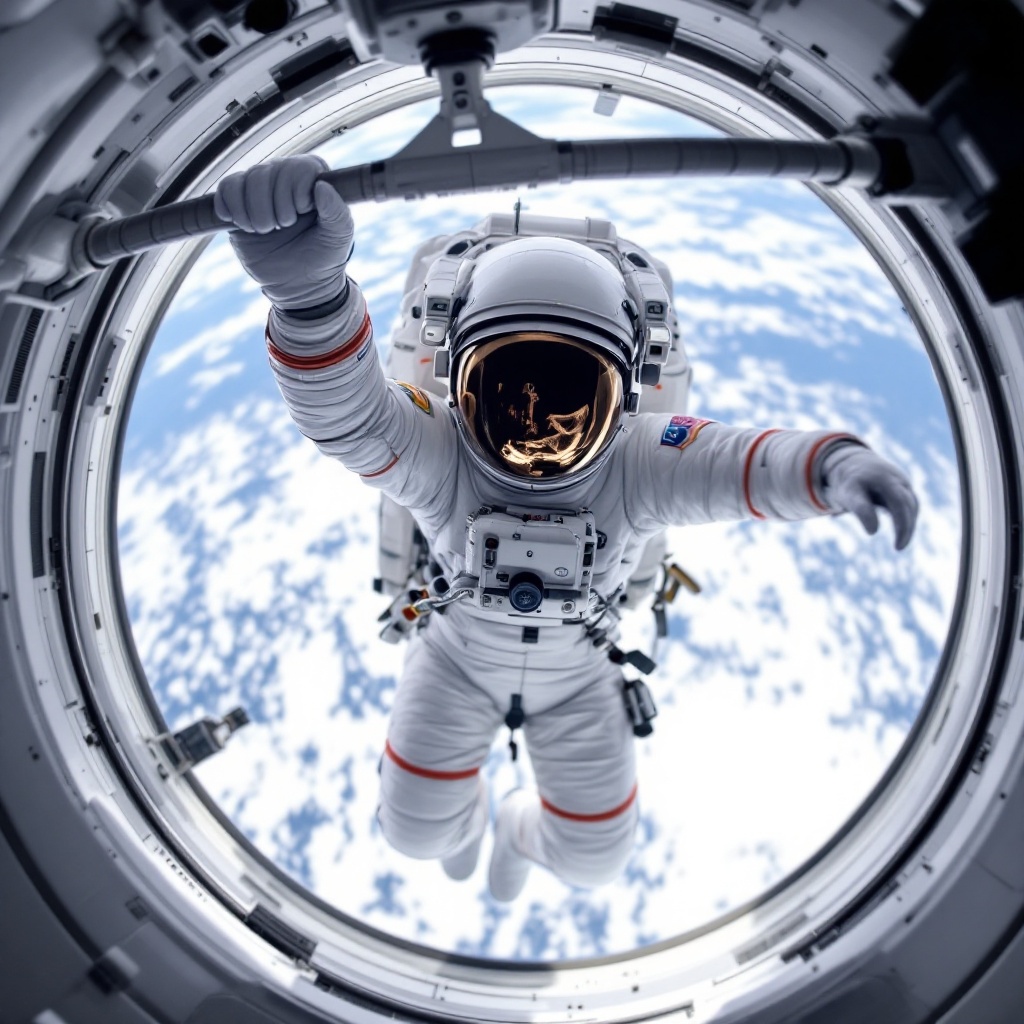
NASA ordered the four astronauts aboard the International Space Station to shelter in their docked SpaceX Crew Dragon spacecraft on June 5 and prepare for potential evacuation as Russian cosmonauts worked to contain a worsening air leak in the station's Russian segment. The directive, issued at 9:04 AM ET, marked the first time NASA has instructed ISS crew to ready the lifeboat in response to a pressure breach.
The ISS has experienced minor air leaks before, but none have triggered an evacuation preparation order. The station's Russian modules have shown signs of structural fatigue in recent years, with smaller leaks documented and repaired through routine maintenance. This incident represents a significant escalation in the severity assessment by NASA's mission control and Russian space agency officials, who determined that the leak's rate of pressurization loss warranted moving the crew to the Crew Dragon as a precaution.
The four Crew-12 members sheltering in the spacecraft include two NASA astronauts, one French astronaut from the European Space Agency, and one Roscosmos cosmonaut. Russian crew members aboard the station continued diagnostic efforts to identify the exact location of the leak and assess repair options. The crew remained in the capsule while ground teams determined whether the Russian segment could be isolated or sealed through internal repairs.
The ISS operates as two distinct atmospheric domains: the U.S. and international segment, which includes modules from NASA, ESA, and JAXA, and the separate Russian segment. The design allows for isolation if necessary, though losing access to Russian modules would significantly reduce the station's operational capacity and scientific capability. The affected spacecraft sits on the launch pad ready for immediate departure if ordered by mission control.
The 2030 operational target for the ISS has already faced scrutiny from Congress and aerospace analysts concerned about aging hardware and rising costs. A catastrophic failure in the Russian segment could force an accelerated decommissioning timeline, potentially ending ISS operations years earlier than planned. This would disrupt dozens of ongoing experiments and research programs conducted by international partners, and would mark a premature end to one of humanity's longest-running space projects.
The incident also underscores the fragility of partnership-dependent space infrastructure. The ISS relies on seamless cooperation between NASA and Roscosmos despite escalating geopolitical tensions. If the Russian segment becomes unusable, it remains unclear how both agencies would coordinate a safe deorbiting of the damaged section and what contingencies exist for crew operations in a reduced-capacity station.
What to Watch: Ground teams will spend the next hours analyzing telemetry and pressure readings to determine whether the leak can be sealed from inside the Russian segment or whether it requires extravehicular activity in vacuum. If the leak rate cannot be controlled, NASA may order the crew to return to Earth aboard Crew Dragon, which would mark the first involuntary evacuation of the ISS.