Muon Space Launches Purpose-Built Satellite Bus for Orbital AI Computing
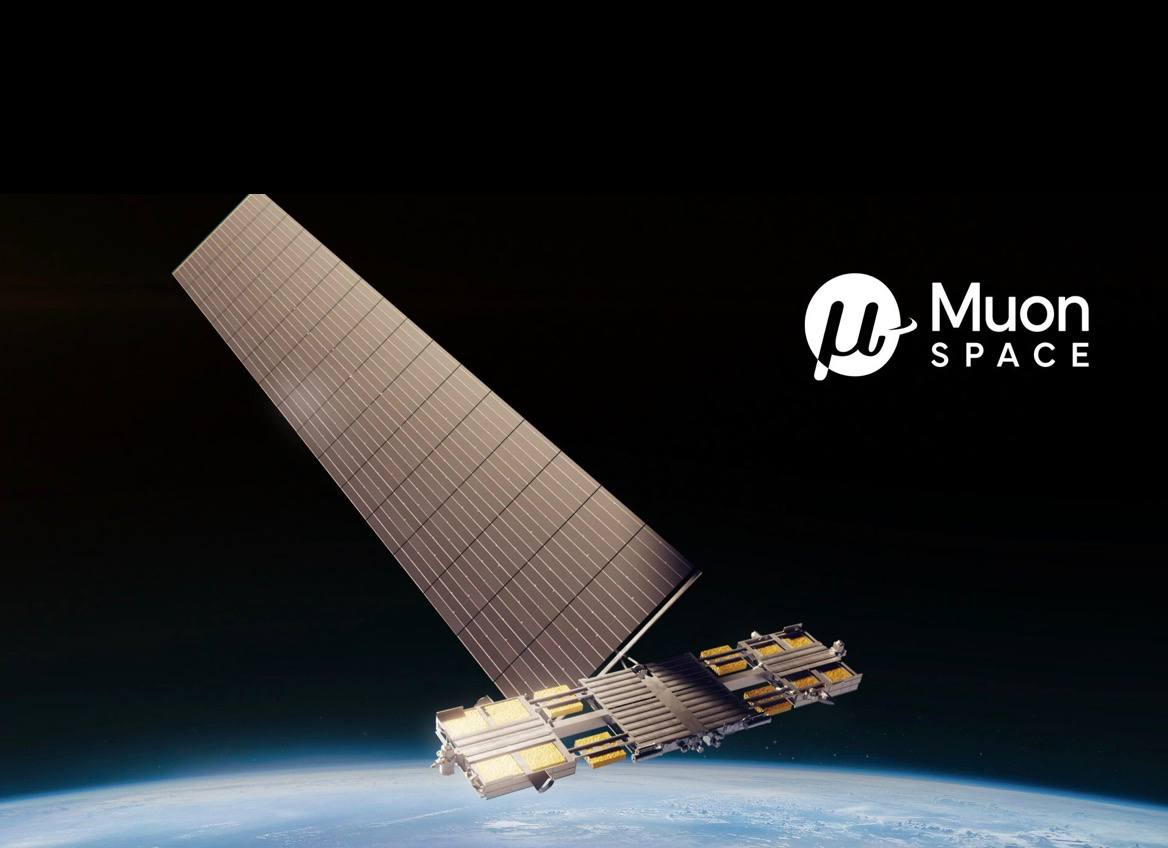
Muon Space unveiled a new satellite platform on June 3 explicitly designed for orbital data centers, marking the first time a spacecraft bus has been engineered from inception around in-space computing rather than communications or Earth observation. The Condor-Ultra is three times larger than Muon's existing Condor-XL platform and sized for SpaceX's Starship, with the company targeting a 2028 first launch and already securing initial customers for the venture.
The announcement reflects a fundamental shift in how the aerospace industry views orbital infrastructure. Orbital data centers represent a distinct category from traditional satellite payloads, demanding platforms optimized for heat rejection, power distribution, and computational density rather than sensor capability or signal transmission. By committing engineering resources to a purpose-built bus, Muon is betting that the market for space-based AI infrastructure is mature enough to justify specialized hardware development.
Terrestrial data centers face mounting constraints as artificial intelligence workloads surge. Power consumption and cooling demands continue to climb faster than terrestrial infrastructure can efficiently support them. Orbital platforms offer a compelling alternative: limitless solar power, abundant radiative cooling through space, and reduced electromagnetic interference. Several companies, including Axiom Space and Viasat, have begun exploring space-based computing, but no major satellite manufacturer had previously committed to designing a bus explicitly for this mission set.
The Condor-Ultra's sizing for Starship is not incidental to its design. SpaceX's fully reusable super-heavy lift vehicle can deploy payloads exceeding 150 metric tons to orbit, fundamentally altering the economics of space infrastructure. Platforms built for existing launch vehicles operate under strict mass constraints that force trade-offs between computational power and spacecraft structure. Starship's excess capacity allows designers to prioritize thermal management, redundancy, and power systems over mass minimization. This represents the first satellite bus from a manufacturer other than SpaceX designed natively for Starship's capabilities.
Muon's customer commitments remain undisclosed, but their willingness to commit to a 2028 launch suggests enterprise-tier interest. The timeline requires the company to manage spacecraft development, integration, testing, and Starship manifest placement simultaneously, a coordination challenge that implies substantial confidence in market demand.
The implications extend beyond Muon's business. If orbital data centers achieve commercial viability at scale, the geographic and economic foundations of AI infrastructure shift decisively. Computational work that currently requires massive terrestrial facilities and regional power grids could migrate to spacecraft, eliminating the cost of land, cooling, and transmission losses. This would accelerate the timeline for a orbital industrial economy, drawing capital and engineering talent toward space-based manufacturing and operations.
Watch for Muon's next customer announcement and any details about Starship manifest allocation for the Condor-Ultra. The 2028 launch date also serves as a critical proof-of-concept milestone for the broader orbital data center sector.