NASA Taps Blue Origin for First Moon Base Lander, Beating SpaceX to Inaugural Contract
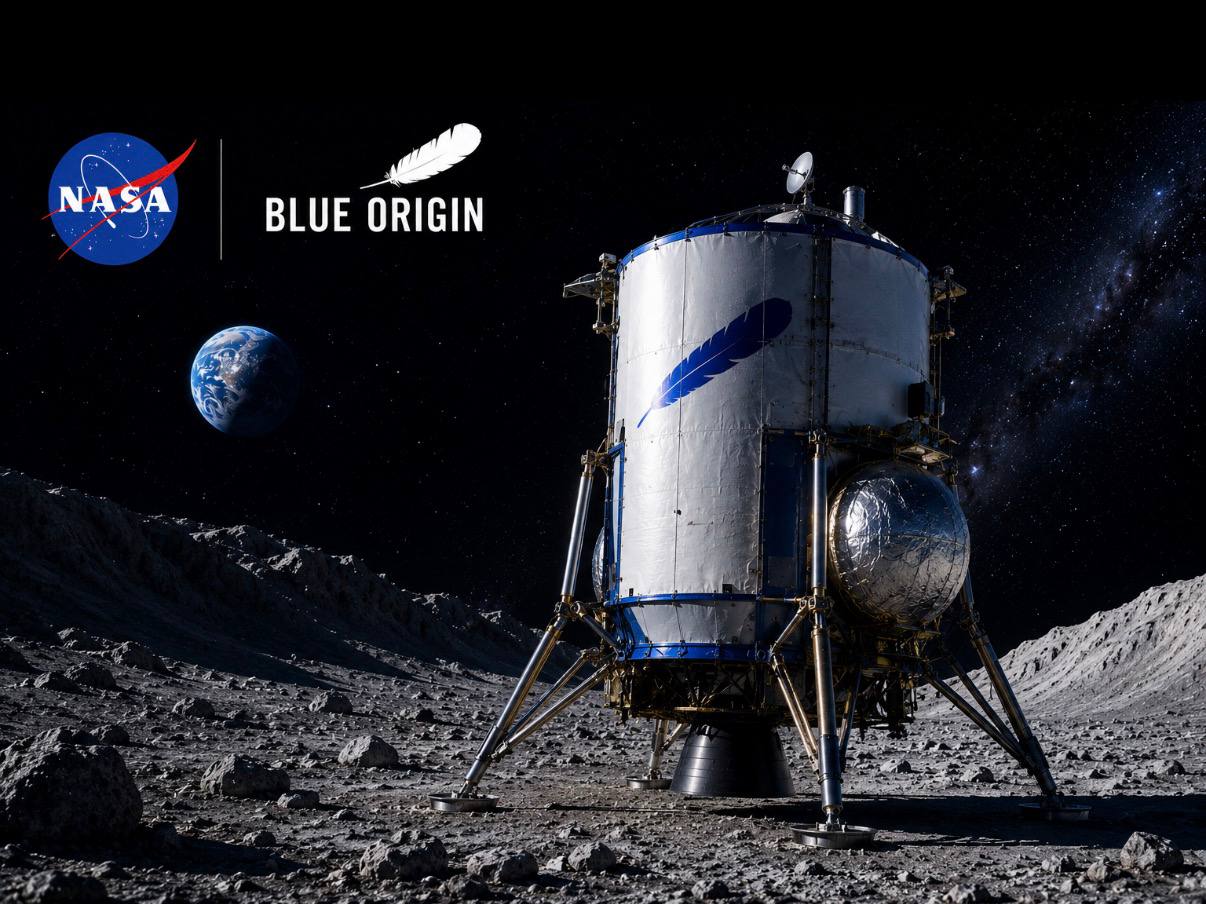
NASA awarded approximately $1 billion in lunar infrastructure contracts on May 26, selecting Blue Origin to deliver the first uncrewed cargo lander to the Moon's South Pole region. The decision marks a significant competitive win for Blue Origin over SpaceX and represents the initial hardware commitments for NASA's $20 billion Moon Base initiative announced in March.
The Moon Base program is NASA's successor effort to Artemis, designed to establish sustained human presence at the lunar South Pole rather than brief sorties. Unlike the original Artemis approach focused on crewed landing vehicles, Moon Base emphasizes robotic infrastructure that will support eventual astronaut operations. The South Pole region contains permanently shadowed craters with subsurface water ice, critical for future human missions and in-situ resource utilization.
Blue Origin secured the lead position for the first lander mission, with contract details to be finalized over the coming weeks. Firefly Aerospace won a $75 million subcontract to deliver four specialized drones that will support surface operations at the South Pole. Two additional companies received contracts for lunar rover development, though NASA has not yet publicly identified them. The agency announced plans to execute three missions from this contract package in 2026, with more than a dozen total missions anticipated across the broader program.
NASA Administrator Jared Isaacman framed the announcement in terms of urgency and momentum. "The grand return is close at hand," he stated, signaling confidence that the accelerated schedule was achievable. The three 2026 launches represent a compressed timeline compared to traditional NASA lunar programs. Getting hardware to the surface before crew arrives will allow engineers to test landing systems, validate communications infrastructure, and position supply caches before humans land.
Blue Origin's selection over SpaceX carries particular weight in NASA's lunar contracting landscape. SpaceX has dominated recent human spaceflight awards through its Starship program and maintains primary responsibility for crewed lunar landers under Artemis. This marks the first major lunar cargo contract awarded to Blue Origin over a Musk-led company since the original Artemis lander selections in 2021. Industry observers interpreted the decision as NASA's effort to maintain competitive diversity and hedge against single-provider risk.
The aggressive timeline presents both opportunity and vulnerability for the program. Three missions in one calendar year demands that Blue Origin, Firefly, and other contractors execute with minimal delays. Hardware development, integration, environmental testing, and launch preparation typically require 18 to 24 months. Any slippage in vehicle readiness or launch vehicle availability could cascade into missed milestones.
NASA's Moon Base initiative reflects broader policy shift toward sustained lunar presence as a stepping stone to deeper space exploration. Unlike past programs that emphasized technological demonstrations, Moon Base prioritizes operational infrastructure that other agencies and commercial entities could eventually use.
The next critical milestone arrives this summer when NASA expects to finalize contract details and establish detailed mission timelines with selected contractors.