NASA Revives Stand-Alone Commercial Station Plan With Draft RFP
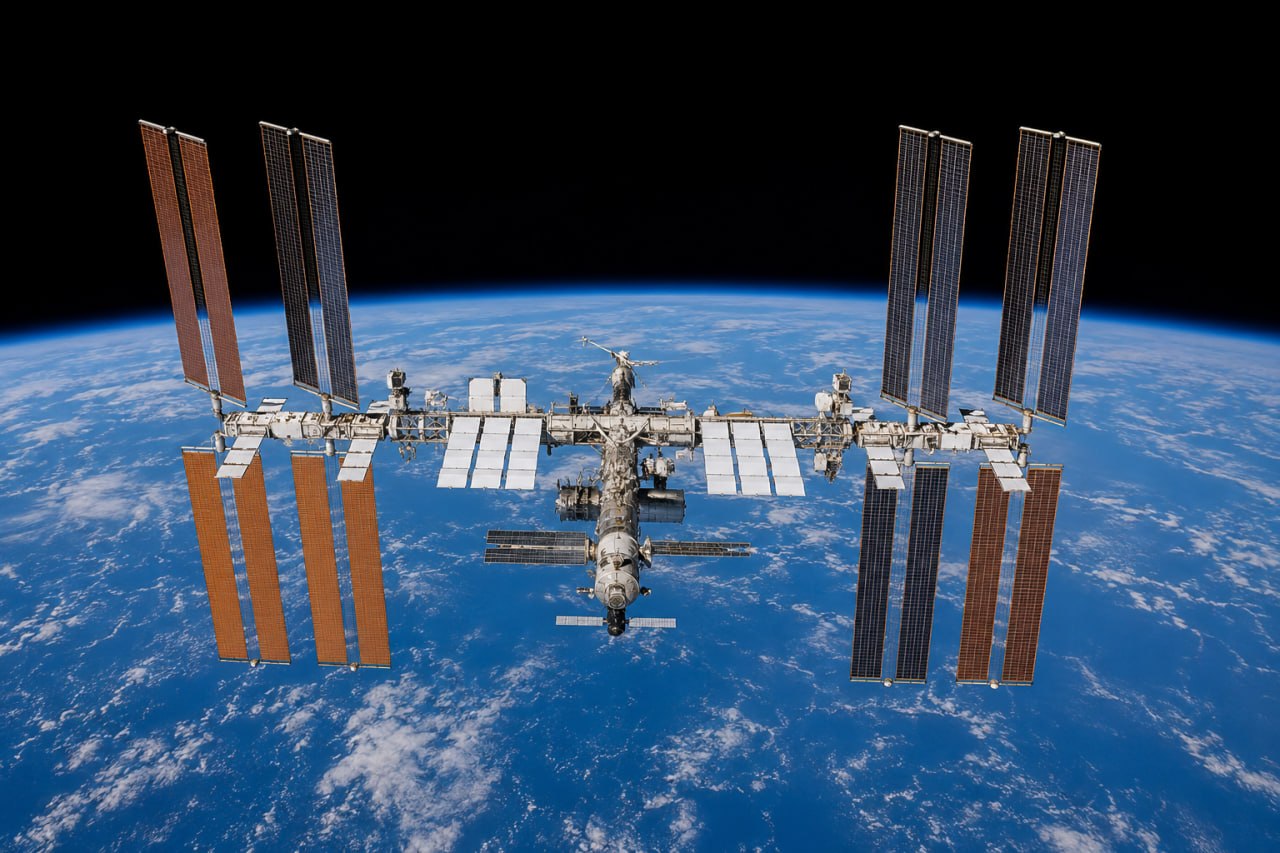
NASA released a draft request for proposals on Monday for its Commercial Low Earth Orbit Destinations program, formally committing to support privately owned stand-alone stations to replace the International Space Station. The agency said it intends to award early development contracts to at least two station builders, marking a concrete step in its effort to maintain a continuous human presence in low Earth orbit.
The move reverses a possible pivot NASA floated this spring, when the agency signaled it might abandon the stand-alone commercial station model after the ISS was decommissioned. At the time, NASA argued the market was not strong enough to sustain commercial stations and put forward an alternative plan to buy a core module that would attach to the ISS, where commercial CLD providers could dock. CLD companies pushed back immediately, arguing the market was ready.
NASA Administrator Jared Isaacman told Payload during that period that no final decisions had been made, and that it was on industry to prove the agency wrong. According to NASA, industry did exactly that, demonstrating it has the capital to carry out the work and predicting that more capital and commercial opportunities would follow with NASA's support.
The draft RFP is aimed at American companies that would design, build, and operate a commercial station in low Earth orbit. It follows an earlier phase in which industry demonstrated concepts for human habitation in LEO. Under the plan, NASA will award early development contracts to at least two station builders and later hold a separate competition to award a final design contract to one or more companies.
"NASA's review reflects what we've been hearing from industry throughout this process. Industry believes it can meet the timelines and that a viable commercial marketplace exists where NASA is one customer among many," Isaacman said in a statement. "We're focused on supporting those efforts, enabling the capabilities that make this transition possible, and doing all we can to ensure the United States maintains a continuous human presence in low Earth orbit."
The significance, as NASA framed it, rests on the finding that companies have the capital to complete the job and that a commercial marketplace exists in which NASA is one customer among many. Isaacman said the agency's role is to support those efforts and enable the capabilities needed for the transition, with the goal of preserving a continuous United States human presence in low Earth orbit.
Industry feedback on the draft RFP is due to NASA at the end of this month. Companies will have opportunities to engage with the agency in both group and one-on-one formats over the next two weeks. NASA also said it intends to publicly release a list of companies interested in competing, to facilitate teaming between commercial partners.