PwC forecasts lunar economy to reach $127 billion by 2050, marking shift from science to sustained commerce
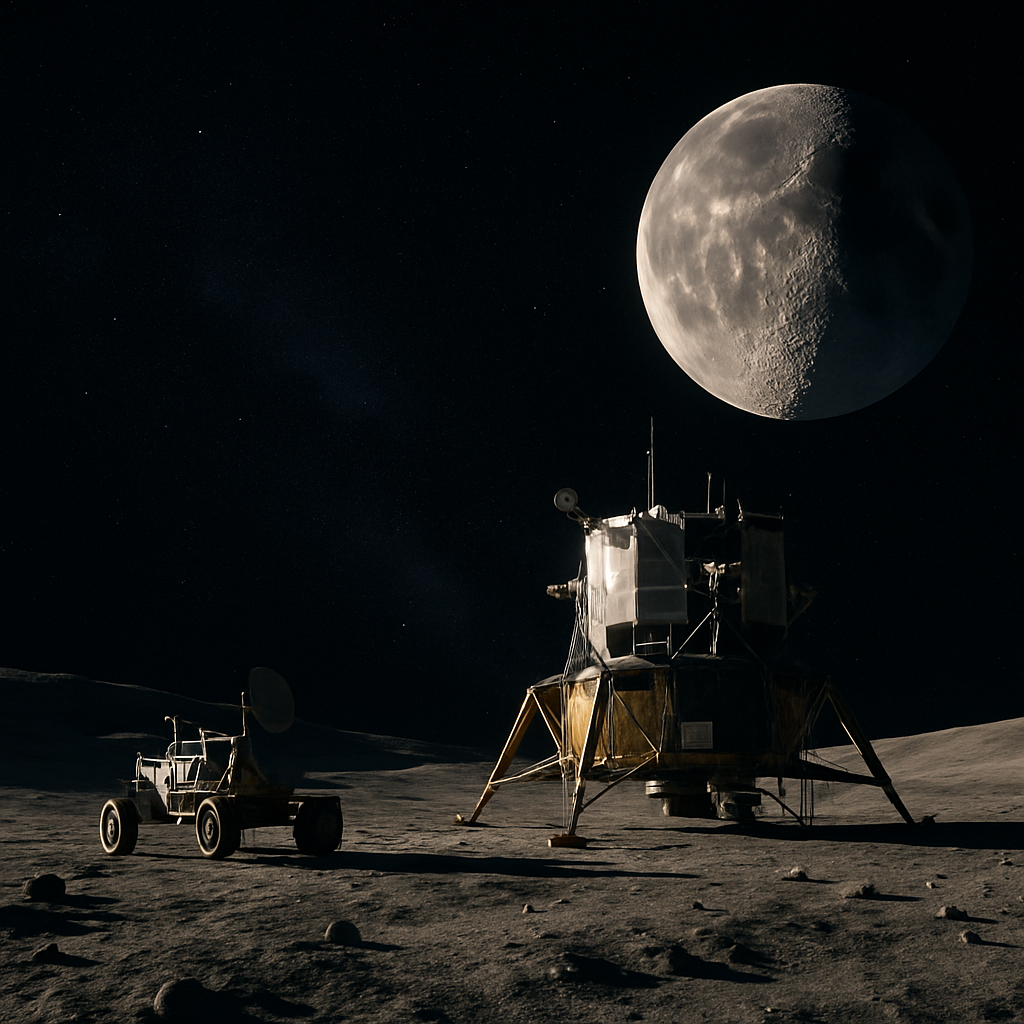
A major market assessment by PwC projects that lunar surface activities will generate between $100 billion and $127 billion annually by 2050, marking the first time a leading consulting firm has assigned specific dollar figures to what has long been treated as speculative space exploration. The projection signals a fundamental shift in how the aerospace industry and major investors view Moon-based operations -- no longer as isolated scientific missions, but as a developing commercial ecosystem comparable in scale to today's entire space industry.
The Moon has occupied an unusual economic position for decades. Government space agencies controlled lunar activity almost entirely, treating it as a research domain where commercial participation was marginal. This dynamic has begun to change with growing interest from SpaceX, Blue Origin, and emerging lunar logistics companies. PwC's analysis, released in January, represents a watershed moment: a Fortune 500 consulting firm applying conventional business-case methodology to an off-world economy for the first time at this scale.
The report's forecast encompasses four major sectors. Mining operations for water ice, rare earth elements, and helium-3 comprise the largest projected revenue stream. Manufacturing in lunar gravity advantages certain processes -- pharmaceutical production and materials science benefit from the Moon's one-sixth Earth gravity. Space tourism, still nascent, is projected to grow into a recognizable market segment. Infrastructure -- the landing pads, power systems, habitat modules, and transportation networks required to support sustained presence -- forms the backbone enabling all other activity.
The $127 billion midpoint projection rests on several assumptions about technological progress and regulatory clarity that remain uncertain. PwC assumes routine payload delivery to the lunar surface drops to under $500 per kilogram by 2050, compared to current costs exceeding $1 million per kilogram for most missions. The firm also assumes international consensus on resource extraction rights and property claims, issues that remain unresolved under current space law. Manufacturing assumes technological breakthroughs in life support and process automation that have not yet been demonstrated at scale.
If PwC's projections approach accuracy, they reveal two critical realities for the aerospace industry. First, the economics favor permanence over exploration. Sustained, profitable lunar operations require infrastructure investment and multi-year timelines, shifting incentives away from flags-and-footprints mission architecture toward base-building and supply-chain development. Second, the financial scale is material enough to attract non-traditional aerospace investors -- pension funds, sovereign wealth funds, and international consortia may finance lunar infrastructure in the 2040s much as they now finance terrestrial renewable energy projects.
The projection also highlights what remains unknown. No operational system currently proves the economic viability of lunar mining or manufacturing. Regulatory frameworks governing who can claim resources or establish permanent settlements remain incomplete. Radiation effects on long-term human productivity in lunar environments are not fully characterized.
Watch for announcements over the next 18 months regarding permanent power systems and long-duration habitat contracts. These represent the technical prerequisites for moving from short-term exploration to sustained economic activity.