Satellite Megaconstellations Are Conducting Unregulated Atmospheric Experiment, Scientists Warn
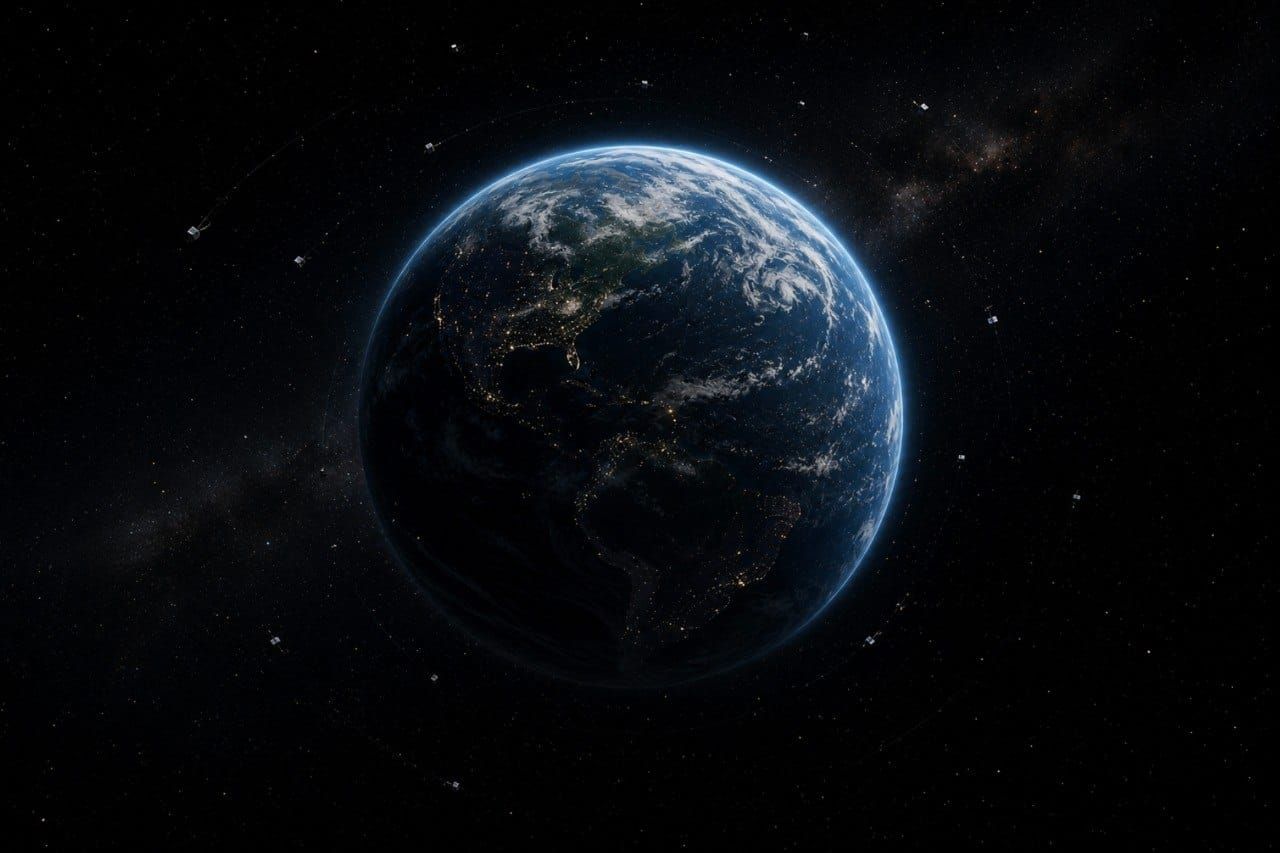
Atmospheric scientists have issued a stark warning that satellite megaconstellations represent an "unregulated geoengineering experiment," introducing unprecedented quantities of metallic pollution into Earth's upper atmosphere without any regulatory framework to assess the consequences. The concern centers on the planned deployment of millions of satellites over the next decade -- and the inevitable release of aluminum oxide and other compounds when those satellites eventually burn up during reentry at altitudes where they can persist and potentially alter atmospheric chemistry.
The issue has received limited public attention despite its scale. SpaceX's Starlink alone plans to deploy 42,000 satellites, with the constellation currently numbering around 6,000. Other companies, including Amazon's Project Kuiper and others, are pursuing similar constellations. The cumulative effect of millions of satellites routinely reentering and burning at altitudes between 50 and 120 kilometers could reshape the composition of the mesosphere and upper stratosphere in ways scientists cannot yet predict.
When satellites deorbit, atmospheric drag causes them to burn during descent. Unlike ground-based pollution sources, which are monitored through terrestrial networks and subject to emissions regulations, the upper atmosphere remains largely unobserved. Tracking the long-term effects of injecting aluminum oxide at these altitudes -- where trace compounds can persist and interact with ozone chemistry and atmospheric radiative properties -- lies beyond the scope of existing monitoring infrastructure.
The scientific community has not reached consensus on the magnitude of potential harm, but that uncertainty itself is the problem. A single satellite releases relatively small quantities of metallic particles. Multiplied across thousands of reentries annually -- a rate that will accelerate dramatically as constellations mature -- the cumulative deposit becomes significant. Yet no international body currently has authority to regulate this form of pollution, and no company is required to model or disclose the atmospheric impact of their launch and reentry schedules.
SpaceX and other operators argue that satellite design improvements, including materials selection and manufacturing techniques, will minimize environmental impact. The company has pointed to peer-reviewed research suggesting the effects remain within acceptable bounds. However, scientists counter that these conclusions rest on incomplete data and assumptions that may not hold as constellation sizes expand beyond current projections.
The stakes extend beyond atmospheric chemistry. If metallic particle clouds prove to affect cloud formation, precipitation patterns, or radiation balance, the consequences could ripple through climate systems in unpredictable ways. The scientific warning carries particular weight because, unlike terrestrial pollution sources that can theoretically be reduced or eliminated, satellite reentry is inherent to constellation operations. Once millions of satellites are operational, stopping the experiment requires abandoning the service entirely.
The regulatory vacuum reflects the speed of technological deployment outpacing policy development. No major government has proposed comprehensive rules governing high-altitude pollution from satellite operations, and international space law contains no mechanism for environmental impact assessment at the scale now emerging.
Watch for whether the International Civil Aviation Organization, the UN Committee on the Peaceful Uses of Outer Space, or national regulators move to impose atmospheric impact assessments on future constellation licenses. That decision point will arrive within two to three years as additional operators seek approval for large-scale launches.