U.S. Spaceports Win Access to Tax-Exempt Municipal Bonds, Reshaping Launch Infrastructure Finance
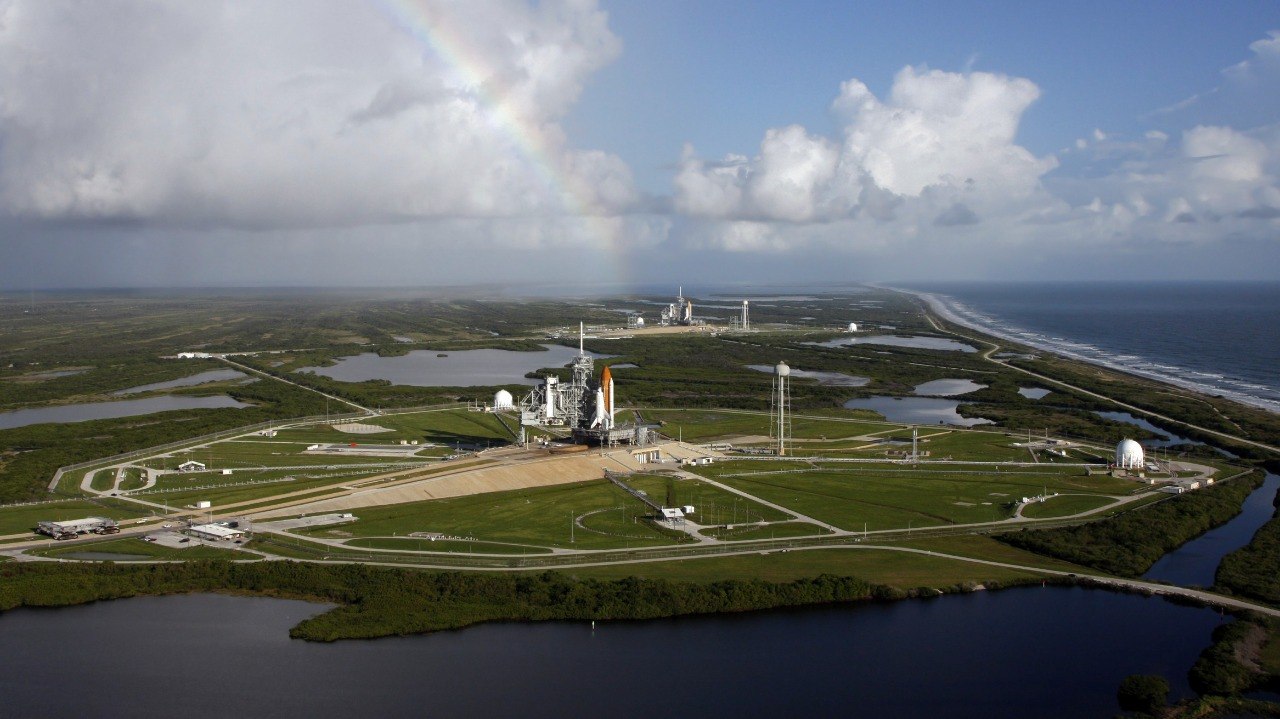
The United States has formally authorized spaceports to issue tax-exempt municipal bonds, the same financing tool that built the nation's airport and highway systems. The law, signed in June 2026, removes a critical barrier that has kept spaceport development dependent on speculative private capital and allows launch facilities to borrow at low interest rates against future revenue. This shift from venture-backed growth to public infrastructure finance fundamentally changes how and where commercial space launch capacity will expand across the country.
Space infrastructure has faced a persistent financing gap. Operators could not justify building facilities without guaranteed demand, while launch companies hesitated to commit to long-term agreements at unproven sites. Private equity funded some projects, but at rates that required near-term profitability, forcing high launch fees that suppressed the market. The municipal bond mechanism breaks this deadlock by treating spaceports as essential infrastructure worthy of public backing, much like the Federal Government structured airport development in the 1950s and 1960s. Tax exemptions lower borrowing costs, while long bond maturities allow facilities to repay debt over decades as revenue grows, not quarters.
The legislation permits spaceports to issue bonds for site acquisition, ground infrastructure, launch pad construction, fueling systems, and range operations. The authorization applies to commercial and government spaceports, though private operators must demonstrate operational readiness and revenue projections to access the market. Major spaceport authorities in Texas, Florida, California, and other states are already filing prospectuses. Early analyses suggest bonds could finance $40 to $60 billion in U.S. launch infrastructure over the next 15 years, compared to roughly $12 billion in private capital raised for spaceport development between 2010 and 2025.
The immediate effect will be geographic distribution. Florida and California no longer hold financing leverage. Emerging launch regions in Texas, Kentucky, Oklahoma, and even Alaska can now attract institutional capital on equal terms. Lower facility costs will pressure launch service pricing downward, expanding demand from satellite operators, military customers, and new entrants. Multiple competing spaceports improve launch availability and redundancy, a strategic asset the Department of Defense emphasized during legislative hearings.
The implications extend beyond launch. If space infrastructure attracts the same steady, long-term public investment as terrestrial transportation, the industry shifts from high-growth startup dynamics to regulated utility economics. That means lower margins for operators but higher certainty for customers and more stable employment in aerospace regions. It also signals federal confidence that commercial space launch is no longer experimental.
The next test will be whether bond markets actually buy the prospectuses. Investors will demand credible revenue forecasts and experienced management. The first few offerings will set precedent for pricing and terms. Watch for the Texas spaceport authority and the commercial operators at Brownsville and elsewhere to bring offerings to market by late 2026 or early 2027.