SpaceX blocked from immediate S&P 500 inclusion despite record IPO valuation
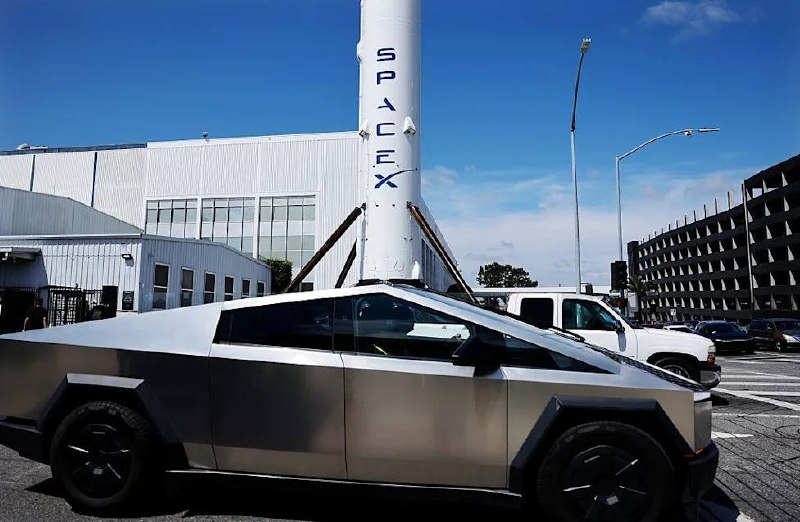
SpaceX will not receive a fast-track entry into the S&P 500 index following its initial public offering, despite a valuation near $2 trillion that makes it one of the largest IPOs in history. The decision, announced June 6, 2026, denies the company immediate access to the trillions of dollars in passive index fund capital that typically flows into newly added components.
The S&P 500 operates under strict inclusion criteria designed to ensure liquidity, profitability, and market stability. Most companies must satisfy requirements including demonstrated profitability, minimum market capitalization thresholds, and public trading history before gaining admission. Fast-track inclusion, which accelerates this timeline, is reserved for exceptional cases. S&P Dow Jones Indices determined that SpaceX would not qualify for expedited treatment, meaning the company must meet standard entrance requirements like any other publicly traded firm.
This ruling carries particular weight given SpaceX's scale and track record. The company has operated profitably as a private entity for years, generated substantial revenue from government contracts and commercial launch services, and established itself as the dominant force in commercial spaceflight. The IPO valuation reflects its position as one of the most valuable aerospace companies globally. Yet institutional gatekeepers have declined to create special pathways, signaling a shift in how Wall Street treats even the most prominent private companies transitioning to public markets.
The fast-track denial matters because S&P 500 index funds manage approximately $13 trillion in assets. When a company joins the index, those funds execute automatic purchases, typically creating a surge in stock price. Without fast-track status, SpaceX will experience a delayed access to this capital pool and must first demonstrate performance as a public company before qualifying for standard inclusion. Timeline for entry depends on how quickly SpaceX satisfies all criteria after IPO.
The decision reflects a broader unwillingness to grant exceptions based on founder reputation or private valuation alone. Elon Musk's other companies have faced similar institutional skepticism in recent years, despite their market dominance. The S&P decision suggests that even record-breaking IPOs must prove themselves through public markets rather than simply inherit inclusion based on private-sector accomplishments.
For SpaceX, this creates an unusual dynamic. The company must execute its public offering and prove operating success without the automatic bid support that index inclusion provides. Strong standalone demand for SpaceX stock could negate the advantage of fast-track entry entirely, allowing the company to join the S&P 500 through normal pathways within months. Weak demand would expose the value of that index fund capital, making the denial a more consequential obstacle.
Watch for SpaceX's stock performance in the weeks following its IPO debut. Early trading volume, price momentum, and quarterly earnings reports will determine how quickly the company satisfies S&P 500 inclusion criteria. Standard entry typically occurs within six to twelve months for well-performing companies, but slower growth could extend that timeline significantly.