SpaceX Cuts IPO Target to $1.8 Trillion as Wall Street Questions Space Economy Valuations
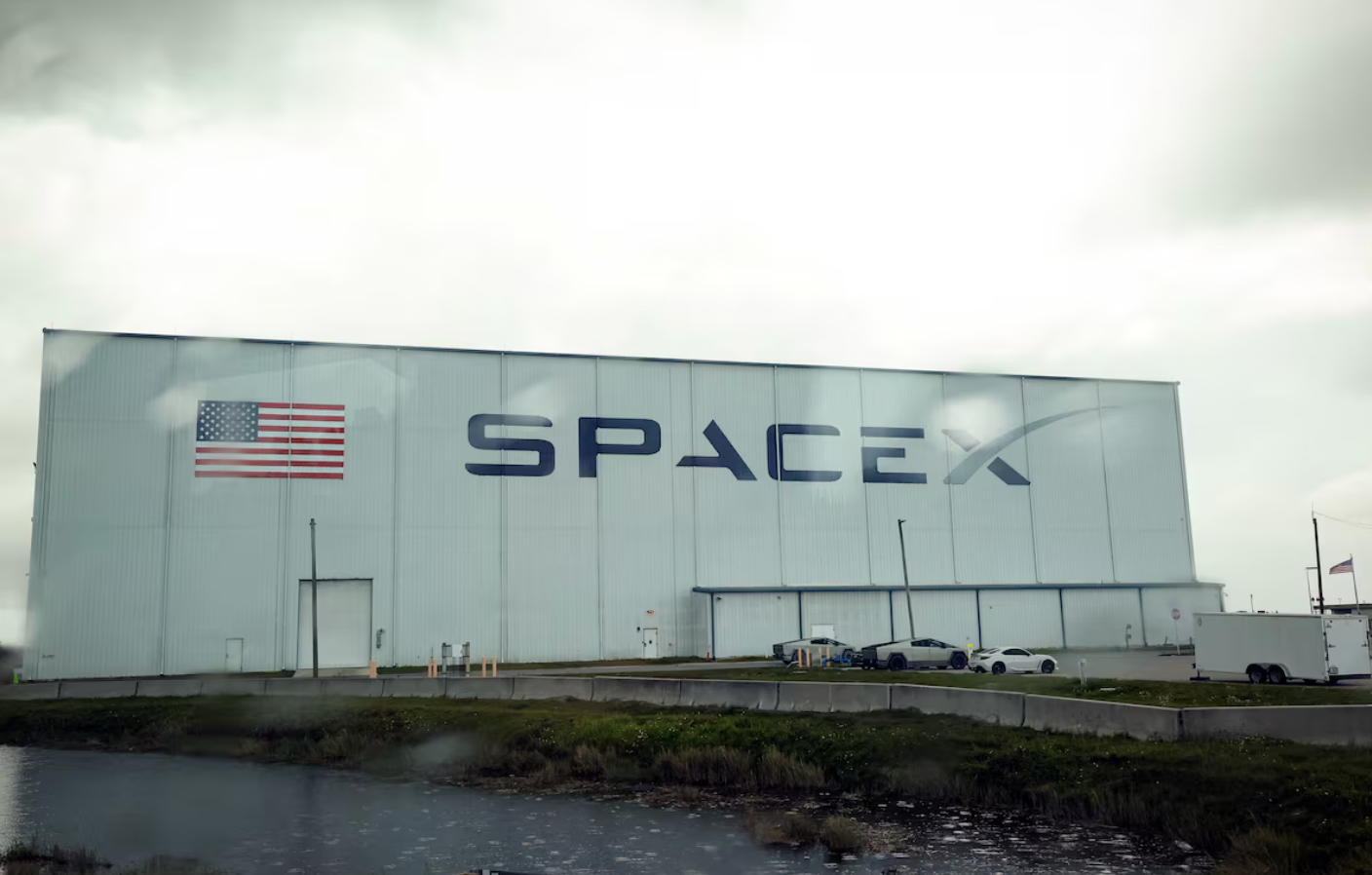
SpaceX has reduced its initial public offering valuation target to at least $1.8 trillion, down from prior expectations near $2 trillion, as the company prepares for what would be the largest IPO in history. The valuation cut reflects skepticism from institutional investors and research analysts who question whether the commercial space industry can sustain the financial assumptions underlying the offering.
The company's path to public markets represents a watershed moment for the space sector. SpaceX transformed commercial spaceflight through rapid reusability of its Falcon 9 rocket and established itself as the dominant provider of launch services globally. Starlink, its satellite internet constellation, has grown to over 6 million subscribers. Yet the IPO filing reveals ambitions beyond launch and connectivity: SpaceX plans to develop orbital data centers and space-based AI infrastructure, ventures with unproven revenue models.
The skepticism is not trivial. David Trainer, chief executive of research firm Certes Research, publicly recommended investors avoid the offering, calling the valuation "mathematically indefensible" despite acknowledging SpaceX's technical dominance. His critique highlights the core tension in the space economy thesis: SpaceX has genuine operational achievements and market position, but the financial projections assume the space industry will expand from its current base of roughly $500 billion annually to multiple trillions within a decade.
SpaceX commands approximately 70 percent of the global commercial launch market and has no near-term rival at its scale. The company completed over 600 Starlink launches and operates the only operational large-scale satellite internet constellation. Starship, its next-generation fully reusable super-heavy launch system, remains in development but could dramatically reduce launch costs if it reaches operational maturity. These facts justify a substantial valuation but not necessarily one that assumes exponential growth across multiple unproven business lines simultaneously.
The timing of the IPO carries strategic weight. Blue Origin, SpaceX's primary competitor in heavy-lift launch, faced delays in its New Glenn development program, potentially reducing near-term competitive pressure. This window may have influenced SpaceX's decision to move forward with public markets despite lingering valuation headwinds. The company reduced expectations rather than delay further, suggesting confidence in market appetite despite skeptical voices.
The success or failure of this IPO will reverberate far beyond SpaceX. A robust debut would validate the commercial space investment thesis and likely accelerate capital flows to competing launch providers, satellite operators, and space infrastructure startups. A tepid reception or declining stock price could trigger a broader reassessment of space economy valuations and freeze funding for less-established companies. Government agencies and defense contractors also monitor the outcome; a successful SpaceX IPO strengthens arguments for sustained commercial space budgets.
Investors will scrutinize whether Starlink's subscriber growth can continue at current rates and whether orbital data centers represent real near-term revenue or speculative positioning. The company's next milestone is SEC clearance and the formal launch of the offering.