South Korean startup Unastella lands $24 million to pursue domestic orbital launches
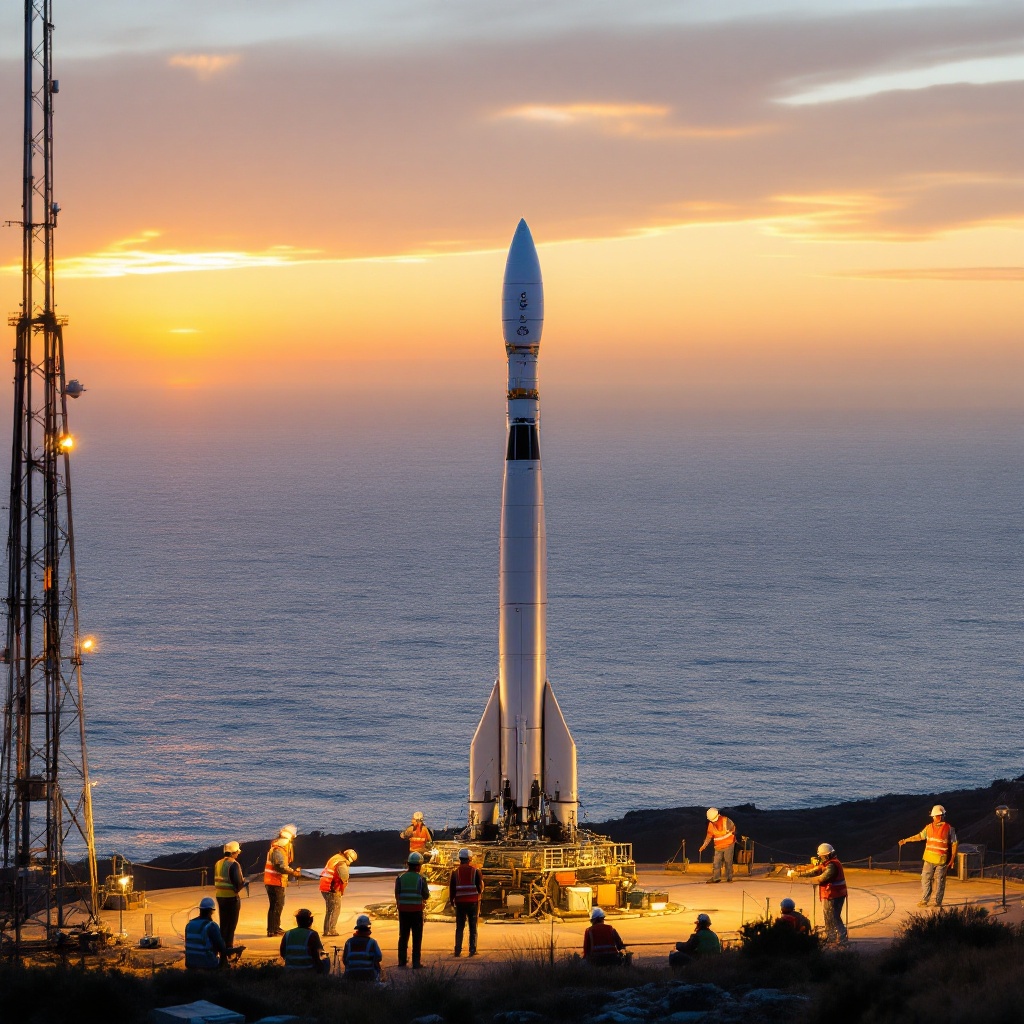
Unastella, a Seoul-based rocket developer, raised $24 million in a funding round announced June 1 to advance its proprietary launch vehicles and engines toward orbital capability. The round, led by Altos Ventures, brings the company's total funding to $44 million. The company has already conducted test launches from South Korean territory, a notable feat in a nation where geographic and regulatory constraints have historically forced space ventures offshore.
South Korea maintains an active space program through its government agency KARI and has grown into a credible satellite manufacturer and technology exporter. Yet the country has never sustained a private launch industry of its own. Geography presents a serious obstacle: South Korea's peninsula location and dense population limit available launch azimuths and constrain test range operations. Most space-capable nations either control vast territories with remote launch zones or rely on established spaceports in countries with geographic advantages.
Unastella represents a rare attempt to solve this puzzle domestically. The company designed and built its own rocket engines and vehicle structures rather than licensing or importing foreign components. Its test launch campaign from South Korean soil demonstrates that the startup has secured regulatory approval and identified launch infrastructure suitable for early vehicle validation. These are not trivial achievements in a country where space activities remain tightly controlled.
The $24 million influx will focus on engine development iterations and vehicle testing protocols. Unastella's immediate goal centers on reaching orbital velocity with a dedicated launch vehicle, a threshold that separates genuine space capability from suborbital demonstrations. The timeline and payload capacity targets remain proprietary, though industry sources suggest the company is targeting small satellite lift capacity within the next two years.
The funding round underscores South Korean investor confidence in private space ventures despite the sector's technical complexity and capital intensity. It also reflects Seoul's strategic interest in reducing dependence on foreign launch providers for national security satellite missions. If Unastella succeeds, it would position South Korea as one of a handful of nations where small-scale commercial launch operations function within geographic and demographic constraints that many analysts deemed prohibitive.
The company competes indirectly with Axiom Space's planned constellation operations and other Asian launch startups, though Unastella's South Korean focus gives it unique regulatory and commercial advantages for domestic government payloads. Success would validate a model in which population density and limited territory need not preclude a functional private launch sector.
Watch for Unastella's next test campaign later this year and any announcements regarding specific payload partnerships or government contracts.