ULA Launches Record-Heavy Amazon Leo Batch as Blue Origin Explosion Threatens Constellation Timeline
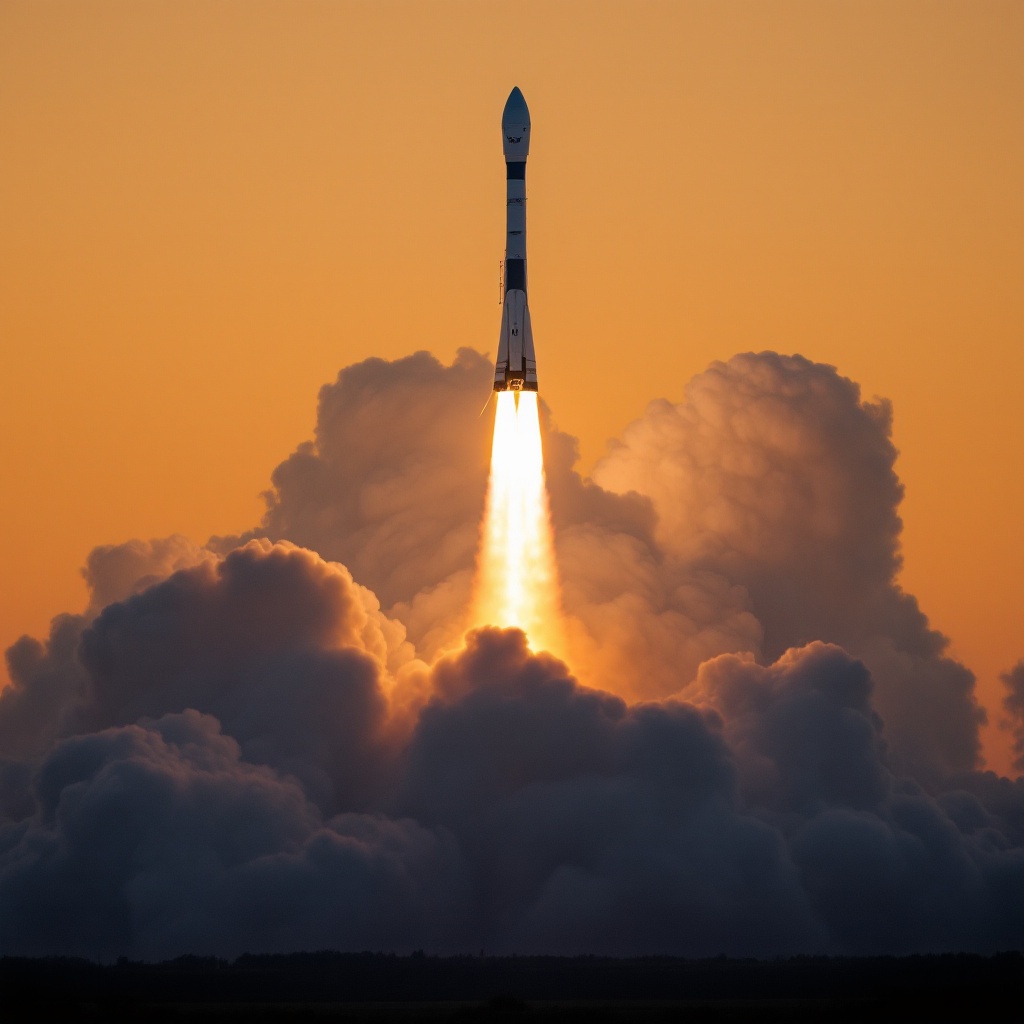
United Launch Alliance successfully deployed 29 Amazon Leo satellites aboard an Atlas V rocket from Cape Canaveral Space Force Station on May 29, marking the second-to-last Atlas V mission Amazon has contracted. The payload equaled the heaviest mass ever carried by Atlas V, underscoring the rocket's final utility for the e-commerce giant's low-Earth orbit internet constellation even as the launch industry navigates a precarious transition period.
Amazon's Leo constellation, which aims to deliver broadband coverage globally, is locked in direct competition with SpaceX's Starlink. The constellation strategy depends on deploying thousands of satellites into a dense orbital shell, making launch cadence a critical competitive advantage. Amazon has structured its deployment across multiple launch providers to mitigate risk, but recent developments have compressed those options significantly.
ULA is retiring the Atlas V after a production run spanning nearly two decades. The rocket carried Amazon's first Leo satellites in 2023 and has become a workhorse for the constellation campaign. However, ULA's replacement vehicle, Vulcan, is still ramping production and has not yet achieved the flight rate needed to sustain Amazon's aggressive deployment schedule. Separately, Blue Origin's New Glenn heavy-lift rocket, which was slated to carry the majority of Amazon's remaining Leo satellites, experienced a significant anomaly this week that has grounded the vehicle pending investigation.
The timing creates an acute logistics problem for Amazon. With Atlas V exiting service after one additional mission, New Glenn facing an uncertain return-to-flight timeline, and Vulcan still scaling operations, the company has limited near-term launch capacity. Amazon also maintains contracts with other providers, including Arianespace and emerging launch companies, but those arrangements cannot fully absorb the gap left by the loss of New Glenn's availability.
The May 29 launch demonstrated Atlas V's reliability in its final operational chapter for Amazon. The rocket performed flawlessly on what is functionally a farewell tour, carrying the second-largest satellite batch for the constellation to date. The 29-satellite configuration represents an incremental advance in deployment efficiency for Amazon's team and signals sustained progress despite looming supply-chain constraints.
ULA's Vulcan rocket represents the company's long-term solution for Leo missions, and Amazon has signed agreements to use it for future launches. However, Vulcan's current flight cadence cannot compensate for both Atlas V's planned retirement and New Glenn's current grounding. Industry observers note that Amazon may need to accelerate negotiations with other launch providers or adjust its constellation deployment timeline to maintain a competitive position relative to Starlink's already-established network.
The stakes extend beyond Amazon. The aerospace industry is watching whether SpaceX's near-monopoly on heavy-lift launch capacity will widen further due to the temporary loss of multiple competitors simultaneously. A prolonged New Glenn delay combined with Vulcan production constraints would effectively leave Amazon dependent on smaller-lift vehicles or foreign providers for critical constellation coverage.
The final Atlas V mission for Amazon is expected later this year. Until then, all eyes are on the New Glenn investigation's outcome and ULA's ability to accelerate Vulcan's production timeline.