Virgin Galactic Resurrects Unity Spaceplane for Pilot Training as Delta Program Extends
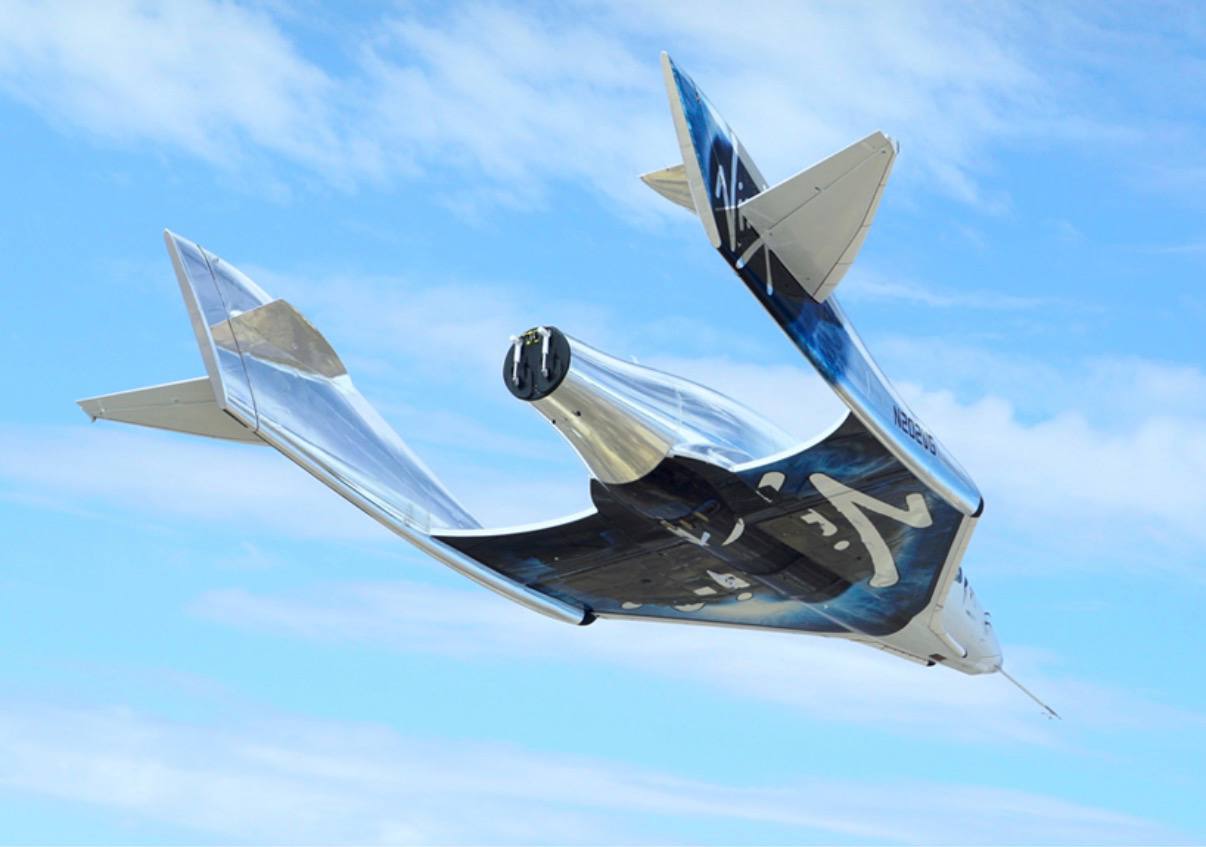
Virgin Galactic returned its VSS Unity spaceplane to flight operations on May 28 with a glide test, repurposing the retired vehicle as a trainer for pilots who will eventually fly the company's next-generation Delta-class spaceplanes. The move underscores a widening gap between the retirement of Virgin Galactic's only operational human spaceflight vehicle and the delayed arrival of its replacement.
Unity completed 32 commercial spaceflights between 2023 and 2024 before the company suspended passenger operations to redirect engineering resources toward the Delta program. By pausing commercial flights and retiring the spaceplane, Virgin Galactic signaled confidence in its ability to transition to a new fleet architecture faster than the reusable aircraft industry had managed before. The return to flight this week suggests that timeline is slipping.
Virgin Galactic initially grounded Unity to concentrate its technical workforce on Delta development. The next-generation spaceplanes promise improvements over Unity's design, including higher payload capacity, enhanced life support systems, and streamlined manufacturing. The company has not disclosed a first flight date for Delta, only noting it remains in development. The absence of that milestone creates an operational vacuum that pilot training requirements have now partially filled.
Using Unity as a trainer is practical but reveals an uncomfortable reality: the company still needs aircraft in the air to maintain pilot proficiency and validate launch procedures, but its next-generation fleet is not yet ready to assume that role. The glide test this week was a preliminary step to ensure Unity's systems remained reliable after two years of inactivity. Additional test flights will follow before the spaceplane resumes its training mission in earnest.
The decision to resurrect Unity also addresses a near-term business reality. Virgin Galactic has secured pilot candidates for its Delta operations, but federal aviation regulations require active flight experience to maintain flight crew certification. Without Unity, those pilots would accumulate only simulator hours during what is proving to be a longer development cycle than anticipated. Bringing the spaceplane back online prevents that certification gap while Delta engineering continues.
The move reflects the inherent risk of retiring a working vehicle before its replacement is flight-ready. Virgin Galactic bet heavily that Delta's development timeline would compress the period between programs, but that wager appears to have misfired. The company is now operating in a holding pattern, maintaining institutional knowledge and crew readiness with aging hardware rather than transitioning directly to next-generation operations.
Virgin Galactic has not announced how long Unity will serve in a training capacity or at what point it will be retired a second time. The company faces pressure to demonstrate forward momentum on its commercial spaceflight ambitions, and a fleet consisting entirely of a retired spaceplane and a simulator falls short of that narrative.
The critical milestone ahead is Delta's first powered flight. Until that vehicle reaches space, Unity remains essential infrastructure, not a training aircraft. The company's ability to deliver on its next-generation timeline will determine whether this return to flight becomes a productive interlude or an extended detour.