Voyager Technologies buys troubled lunar lander maker Astrobotic for up to $300 million
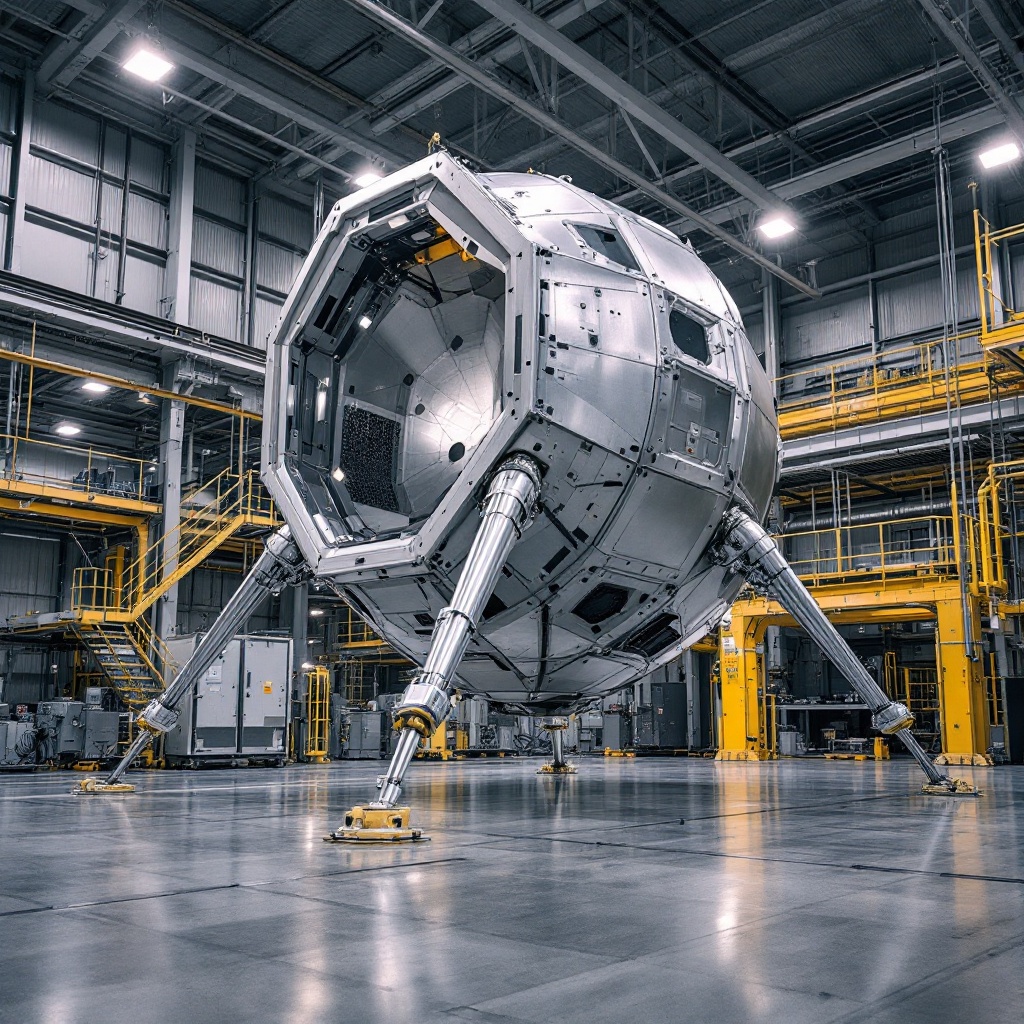
Voyager Technologies (NYSE: VOYG) will acquire Astrobotic Technology, the Pittsburgh-based lunar lander developer, in an all-stock transaction valued at up to $300 million. The deal consolidates one of the Moon race's most visible but financially fragile competitors under a parent company betting it can turn setbacks into success through deeper resources and vertical integration.
Astrobotic has held prominent NASA contracts and built real hardware, but the company faced mounting pressure after its Peregrine lunar lander malfunctioned during an uncrewed January 2024 test flight. The failure exposed a hard truth about commercial lunar development: the cost of building, testing, and recovering from a failed spaceflight exceeds what most venture-backed startups can sustain alone. Voyager, a space-focused holding company assembling a portfolio of complementary contractors, sees an opening to create what it calls a "lunar platform" capable of delivering sustained surface operations.
Astrobotic's core asset is its engineering capability in precision landing and lunar operations. Peregrine's January mission was intended to demonstrate autonomous landing software, but a fuel system leak forced the uncrewed lander to remain in space until atmospheric reentry. Rather than abandon the program, Astrobotic redesigned critical systems and moved forward with Griffin, a larger cargo lander scheduled for a NASA contract mission in 2025. Griffin is designed to deliver 500 kilograms of payload to the lunar surface. Astrobotic is also developing Blue Ghost, a mid-size lander for additional NASA work under the agency's Commercial Lunar Payload Services program.
Voyager's pitch centers on solving the singular problem that left Astrobotic vulnerable: financial runway. The holding company has systematically invested in space infrastructure companies, positioning itself as a consolidator of businesses with defensible technology but inadequate capital structures. A $300 million commitment, with earnout conditions likely tied to Griffin's successful lunar landing and subsequent missions, provides Astrobotic the operational runway to absorb technical delays and mission failures without existential pressure.
The acquisition reflects a broader shift in commercial space development. Peregrine's failure did not prove lunar landers impossible, only that the financial tolerance for development risk exceeds what individual venture funds typically provide. Voyager's strategy converts that challenge into a competitive moat: as Astrobotic executes missions under Voyager backing, the company can establish a track record of reliable delivery that attracts additional NASA contracts and commercial customers. Success transforms Voyager into a vertically integrated lunar services provider with landing capability, payload deployment systems, and operational infrastructure.
The real test arrives later this year, when Griffin-1 is targeting a Moon landing carrying carrying Venturi Astrolab's FLIP rover. A successful demonstration would validate both Astrobotic's engineering recovery and Voyager's consolidation thesis. A failure would signal that structural capital alone cannot overcome fundamental engineering challenges. Either outcome will clarify whether the Moon economy can support independent commercial providers or requires the financial depth of larger parent companies.